
Last updated August 22, 2026 · Editorial policy
- 1. Plitvice Lakes — Croatia
- 2. Triglav — Slovenia
- 3. Vatnajökull — Iceland
- 4. Picos de Europa — Spain
- 5. Abisko & Sarek — Swedish Lapland
- 6. Cinque Terre — Italy
- 7. Saxon Switzerland — Germany
- 8. Durmitor — Montenegro
- 9. Killarney — Ireland
- 10. Hohe Tauern — Austria
- 11. Peñeda-Gerês — Portugal
- 12. Snówdonia (Eryri) — Wales
- How to choose — and when to go
- European national parks FAQ
- Related travel guides
Europe’s national parks rarely get the fanfare of America’s, which is exactly their appeal — many are free or nearly free to enter, easy to reach by train, and far quieter than the cities nearby. These twelve are the ones genuinely worth routing a trip around.
1. Plitvice Lakes — Croatia
Sixteen terraced lakes in impossible shades of turquoise, linked by waterfalls and wooden boardwalks you walk right over. It’s stunning and it knows it, so go for the first or last entry slot and start at the upper lakes. Best in late spring or early autumn; summer midday is a crush.
2. Triglav — Slovenia
Slovenia’s only national park and the heart of the Julian Alps: glacial Lake Bohinj (quieter than famous Bled), the emerald Vintgar Gorge, and serious peaks for hikers. Best June–September. A natural pairing with a wider Slovenia trip.

3. Vatnajökull — Iceland
Built around Europe’s largest glacier, with blue ice caves in winter, the Skáftafell hikes, and the Jökulsárlón iceberg lagoon on its edge. Winter for the ice caves (guided only), summer for hiking. Genuinely otherworldly either way.
4. Picos de Europa — Spain
Limestone peaks rising straight out of green, rainy northern Spain, with the dramatic Cares Gorge trail and some of the country’s best cheese in the valleys below. Best June–September; far less touristed than the Spanish coast.

5. Abisko & Sarek — Swedish Lapland
Arctic wilderness at its purest: Abisko is one of the most reliable places on earth to see the Northern Lights and the start of the Kungsleden trail; neighbouring Sarek has no roads, huts or marked paths at all. Summer for hiking, winter for auroras.
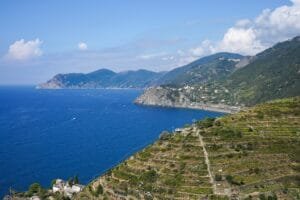
6. Cinque Terre — Italy
Five cliff-clinging villages strung along the Ligurian coast, connected by the Sentiero Azzurro coastal path — and yes, it’s a national park. Go in May or September; midsummer overwhelms the tiny lanes. Arrive by train, not car.
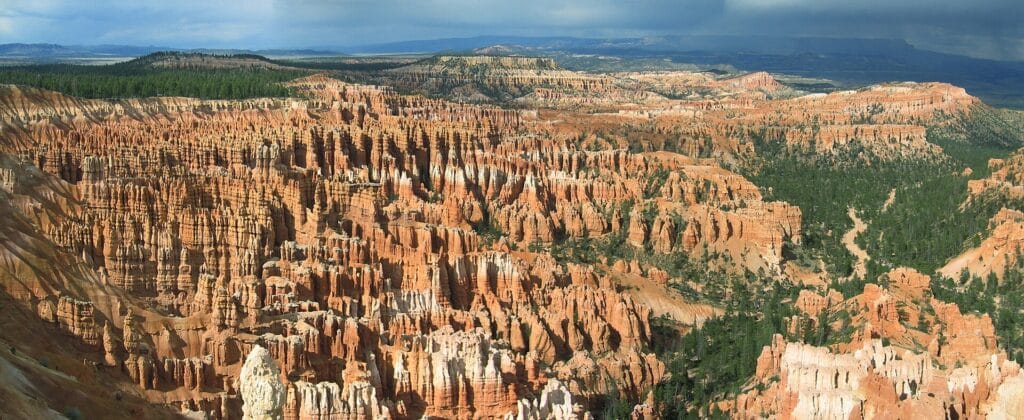
7. Saxon Switzerland — Germany
A surreal landscape of sandstone pinnacles and gorges near Dresden, crowned by the Bastei rock bridge. Quiet, cheap, and ideal for day hikes. Best spring and autumn for clear air and fewer people.
8. Durmitor — Montenegro
Black Lake, glacier-carved peaks, and the Tara River Canyon — the deepest in Europe and a world-class rafting run. Rugged, affordable, and still under the radar. Best June–September.
9. Killarney — Ireland
Ireland’s lakeland at its most romantic: the lakes of Killarney, Ladies View, Muckross House, and jaunting-car rides through ancient oak woods. Best late spring and summer, between the rain.
10. Hohe Tauern — Austria
The Alps on a grand scale: the Grossglockner High Alpine Road, the thundering Krimml Falls (among Europe’s tallest), and marmot-filled meadows. Best in summer when the high road is open.
11. Peñeda-Gerês — Portugal
Portugal’s only national park: granite villages, waterfalls and pools, wild Garrano ponies, and trails most visitors never reach. Best late spring or early autumn — a different Portugal entirely from the Algarve.
12. Snówdonia (Eryri) — Wales
Rugged peaks, glacial lakes and the summit of Yr Wyddfa (Snowdon), reachable on foot or by mountain railway. Compact and dramatic. Best late spring through early autumn; the weather writes its own rules.
How to choose — and when to go
Cluster by region: Slovenia’s Triglav pairs with Croatia’s Plitvice and Montenegro’s Durmitor for one Balkans loop; Picos de Europa fits a green-Spain trip; the Nordic parks suit a summer-hiking or winter-aurora plan. Unlike the US, most European parks have little or no entrance fee — the cost is getting there and where you sleep. Shoulder season (May–June, September) is the sweet spot almost everywhere: open trails, mild weather, thin crowds. If the famous spots feel too busy, our where-to-go-instead guide and a Slovenia itinerary are good starting points, and the case for going slower is in slow travel.
European national parks FAQ
Which European national park is most beautiful?
Plitvice Lakes (Croatia) for sheer colour, Vatnajökull (Iceland) for raw drama, and Triglav (Slovenia) for classic alpine postcards are the usual top three — all very different.
Do European national parks charge entry?
Most charge little or nothing — Plitvice and a few others are the exceptions with timed tickets. The real budget is transport and accommodation, not the gate.
When is the best time to visit?
Late spring to early autumn for almost all of them; the Nordic parks split into a summer-hiking season and a winter Northern-Lights season.
Related travel guides
You Might Also Love

Written by
John Morrison is the founder and lead travel writer at Packzup. Over the past decade he has explored destinations across Africa, the Americas, Asia, Europe, the Middle East, and Oceania — always self-funded, never on a press trip.
