
Last updated August 29, 2026 · Editorial policy
- Best time to visit Ireland: at a glance
- Best Time to Visit Ireland: Month-by-Month Guide
- Best Months to Visit Ireland
- Ireland Travel Seasons at a Glance
- Weather in Ireland
- Festivals & Events in Ireland
- When to Visit by Travel Goal
- What to Avoid
- Booking Tips
- The Honest Sweet Spot: Why September Is the Smartest Month (and the One You Skip)
- Frequently Asked Questions
- Related Ireland Travel Guides
- Related Articles
Best time to visit Ireland: at a glance
Short answer: May to September for the mildest, greenest weather and long days.
| Season | Months | What to expect |
|---|---|---|
| Peak | Jul–Aug | Warmest, long days, festivals; busiest & priciest |
| Shoulder (best value) | May–Jun, Sep | Mild, fewer crowds, pleasant |
| Low | Nov–Mar | Cold, short days; quiet |
Best Time to Visit Ireland: Month-by-Month Guide
Quick take: Every travel blog says the same thing about when to visit Ireland. Most of it is copy-pasted from tourism boards. Here’s what actually matters.

Peak: July-August · Off-season: November-February (rainy, cold)
Knowing the best time to visit Ireland can transform your trip — saving you hundreds on flights and hotels while putting you in better weather with fewer crowds. This guide breaks down each season, key events, and what to expect month by month so you can pick the right travel dates.
Best Months to Visit Ireland
Top pick: May-September. You get the best balance of weather, crowds, and price. Hotels and flights typically run 15-30% below peak season, the weather is comfortable, and major attractions are open without the high-summer chaos.
Ireland Travel Seasons at a Glance
| Season | Months | What to Expect |
|---|---|---|
| Peak | July-August | Best weather (for that region), highest prices, biggest crowds. Book hotels 3-6 months ahead. |
| Shoulder | May-September | Sweet spot: good weather, moderate crowds, 15-30% lower prices than peak. |
| Off-season | November-February (rainy, cold) | Cheapest, quietest. Some sights may be closed. Best for budget travelers and shoulder-month flexibility. |
Weather in Ireland
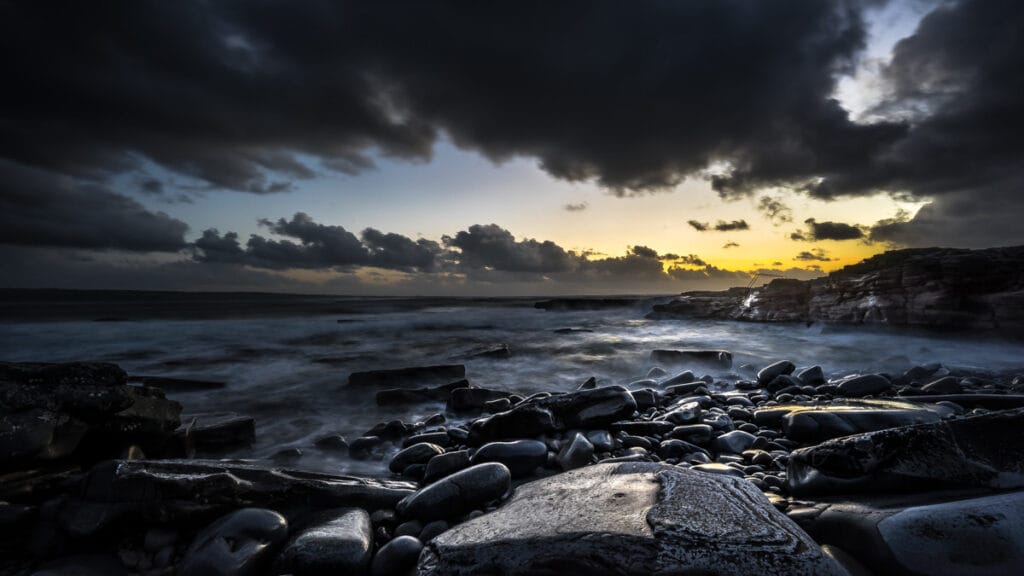
Mild maritime; rainy year-round. Typical peak season highs: 58-68°F summer.
Festivals & Events in Ireland
St. Patrick’s week in mid-March is Ireland’s single tightest booking window; Dublin hotels around March 17 typically sell out months ahead at well above normal rates. September’s month-long Lisdoonvarna Matchmaking Festival similarly tightens County Clare, so lock in rooms early for either.
- St. Patrick’s Day (Mar 17)
- Galway Arts Festival (Jul)
- Dublin Theatre Festival (Sep-Oct)
When to Visit by Travel Goal
- Best weather: Visit during May-September. Comfortable temperatures, low rainfall, manageable crowds.
- Lowest prices: November-February (rainy, cold). Hotels and flights cut 30-50%. Trade weather for savings.
- Fewest crowds: November, January, and February are Ireland’s quietest months, though days are short and wet. For quiet with usable weather, aim for late April or early-to-mid October; note that September no longer counts, since the Lisdoonvarna Matchmaking Festival packs the west.
- Festivals & culture: St. Patrick’s Festival takes over Dublin around March 17 with parades citywide, and the Galway International Arts Festival runs for about two weeks in mid-to-late July. The Dublin Theatre Festival follows in late September into October, a good excuse for a shoulder-season city trip.
- Outdoor activities: Avoid peak rain/hurricane months. May-September is generally optimal.
- Budget travelers: November through February is Ireland’s cheap window, with mid-week flights into Dublin typically at their lowest outside the Christmas and New Year rush. Skip the week around March 17, when St. Patrick’s crowds push prices back up.
What to Avoid
- Peak crowds: July-August brings 2-3x the visitors. Major sites require ticket reservations weeks ahead.
- Major holidays: St. Patrick’s Day (March 17), Easter weekend, and Irish bank-holiday weekends (typically the first Mondays of May, June, and August, plus late October) send domestic travelers to Kerry, Galway, and the coast, so book those weekends early. Christmas and New Year also tighten Dublin hotels.
- Closures: Skellig Michael boat landings typically run only from around mid-May to late September, and many Wild Atlantic Way B&Bs, visitor centers, and rural attractions cut hours or shut from November to February. Dublin, Cork, and Galway stay fully open year-round.
Booking Tips
- Ireland’s peak is July and August, when transatlantic fares to Dublin and Shannon climb fastest; for summer dates, book around 3-5 months out, and watch mid-March too, since St. Patrick’s week fills flights early. For shoulder trips in May, June, or September, 6-10 weeks ahead is usually enough.
- Ireland’s classic shoulder months, May and September, now book almost like peak; the real value weeks are late April into the first week of May, and early-to-mid October. You trade a few degrees and more shower risk for lower room rates and quieter roads on the Ring of Kerry.
- Irish schools break from around late June through August and UK schools from late July, together driving the family surge at the Cliffs of Moher and in Kerry; the US summer break feeds the transatlantic June-August peak. Irish mid-term weeks around late October and mid-February add smaller bumps.
- Ireland has no hurricane or wildfire season, but Atlantic storms from around October to March can ground flights and cancel ferry crossings and cliff-walk tours, while July-August trips carry high sunk costs. A policy covering weather delays and cancellations is worthwhile for winter and peak-summer bookings alike.
The Honest Sweet Spot: Why September Is the Smartest Month (and the One You Skip)
Most guides hand you ‘May to September’ and stop there, but that advice has aged badly. May and September are now so heavily booked that they no longer behave like quiet shoulder months; September in particular fills up because County Clare hosts the month-long Lisdoonvarna Matchmaking Festival, which pulls tens of thousands into the west and tightens room rates well beyond the town itself. If you want the genuine value window, target late April into the first week of May, or the early-to-middle of October, when daytime highs still sit around 16C (61F) in Dublin and Galway and rates ease off the summer ceiling.
Here is what each part of the year actually delivers:
- June solstice: around 17 hours of daylight in Dublin and a sunset near 9:58 PM around June 25, so driving the coast late into the evening is realistic.
- September: the warmest-feeling shoulder, with highs near 18C (64F), but western crowds peak.
- December and January: Ireland’s wettest months, with Dublin daylight collapsing to about 7 hours 36 minutes in December.
Skip December through January for sightseeing. Short, dark, sodden days mean rural attractions cut hours and the long-drive scenery you came for stays hidden behind cloud.
Frequently Asked Questions
What is the best month to visit Ireland?
The single best time to visit Ireland depends on your priorities. For ideal weather plus reasonable crowds, target May-September. Peak season is July-August (busiest, highest prices). Off-season is November-February (rainy, cold) (cheapest, least crowded — but check what’s open).
What’s the cheapest time to visit Ireland?
The cheapest time to visit Ireland is during the off-season: November-February (rainy, cold). Flights and hotels drop 30-50%. Trade-offs: some sights/restaurants may close, weather may be less favorable, fewer events.
When should I avoid Ireland?
Avoid Ireland during peak season (July-August) if you want fewer crowds and lower prices. Also consider local school holidays (when domestic travel surges) and weather extremes (58-68°F summer during peak heat).
What is the weather like in Ireland?
Mild maritime; rainy year-round. Summer highs and winter lows vary by altitude, coast vs. inland, and exact location within Ireland. Always check the specific city forecast a week before departure.
Are there major festivals in Ireland?
Yes — Ireland hosts notable events including: St. Patrick’s Day (Mar 17), Galway Arts Festival (Jul), Dublin Theatre Festival (Sep-Oct). Major festivals can spike hotel prices 50-200% — book 3-6 months ahead if attending.
What should I pack for Ireland?
Pack for the season you’re visiting and the climate zone. Summer in Ireland: lightweight breathable clothes, sunscreen, hat, comfortable walking shoes. Winter: layers, waterproof jacket, warm accessories. Check the 10-day forecast 1-2 weeks before departure and adjust.
Related Ireland Travel Guides
- 20 Best Things to Do in Ireland (2026): Cliffs, Castles & Coast
- Ireland Travel Guide: Complete Planning + Itinerary (2026)
Related Articles
- How Much Does a Trip to Ireland Cost?
- Ireland vs Scotland: Celtic Country Pick
- Ireland Road Trip: Wild Atlantic Way 10-Day Itinerary
- Things to Do in Faroe Islands: 12 Experiences You Can’t Miss
Ready to plan? Follow our 7-day Ireland itinerary — Dublin, the Cliffs of Moher, Galway and the Ring of Kerry in one week.
Plan the practical side: Best Things to Do in Ireland.
You Might Also Love





Written by
John Morrison is the founder and lead travel writer at Packzup. Over the past decade he has explored destinations across Africa, the Americas, Asia, Europe, the Middle East, and Oceania — always self-funded, never on a press trip.
