
Last updated August 29, 2026 · Editorial policy
Best time to visit Seville: at a glance
Short answer: March–May and October–November (summers are brutally hot).
| Season | Months | What to expect |
|---|---|---|
| Peak | Apr (Feria), Oct | Festivals & ideal weather; busy |
| Shoulder (best value) | Mar–May, Oct–Nov | Warm, comfortable, fewer crowds |
| Low | Jul–Aug | Extreme heat (40°C+) |
Best Time to Visit Seville: Month-by-Month Guide
Quick take: Seville has a clear sweet spot — But the ‘wrong’ months aren’t always wrong. It depends on what you’re after.
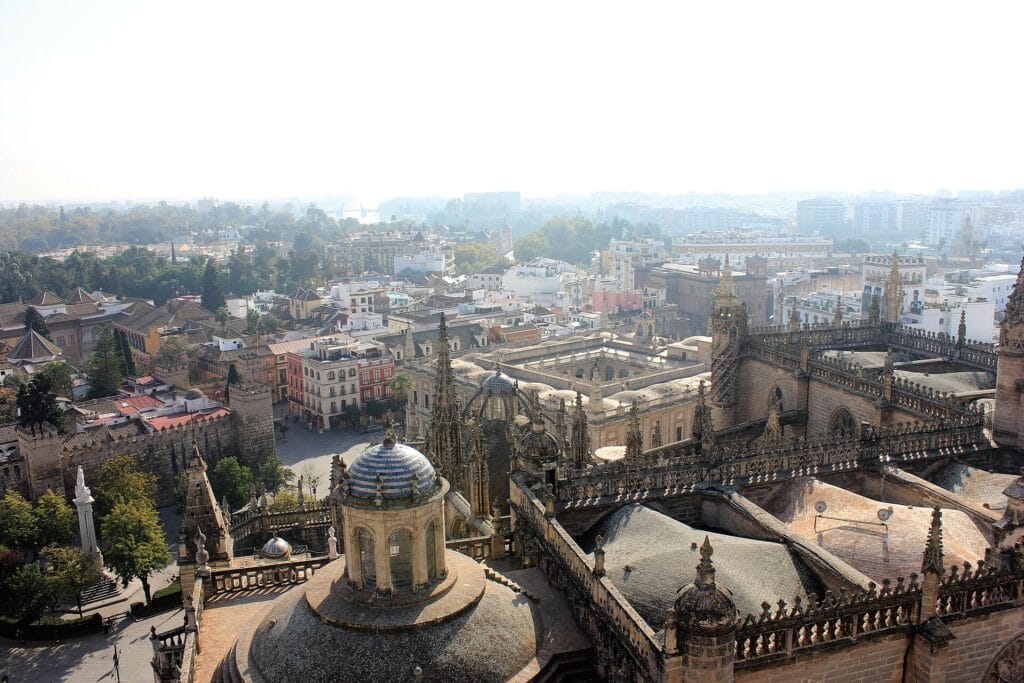
Knowing the best time to visit Seville can transform your trip — saving you hundreds on flights and hotels while putting you in better weather with fewer crowds. This guide breaks down each season, key events, and what to expect month by month so you can pick the right travel dates.
| Season | Months | What to Expect |
|---|
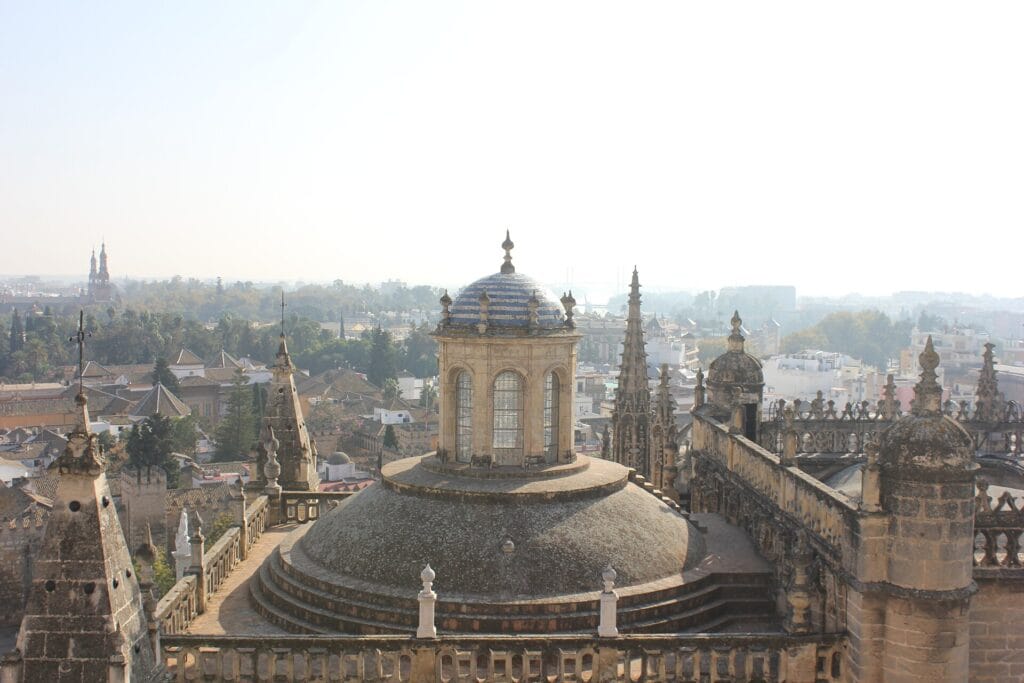
Festivals & Events in Seville
The Feria de Abril is Seville’s most booking-critical week: the fairground runs April 21 to 26 in 2026, rooms sell out months ahead, and rates hit their yearly ceiling. If April is your target, aim to book accommodation around six months out.
- Semana Santa (Holy Week) (Mar-Apr)
- Feria de Abril (April Fair) (Apr)
- Bienal de Flamenco (Sep-Oct)
- Corpus Christi (May-Jun)
When to Visit by Travel Goal
- Fewest crowds: January and February are Seville’s genuinely quiet months, with mild days and short lines at the Alcazar. Mid-to-late November also empties out once the October warmth fades. Even April has a lull: the gap between Semana Santa and the Feria is often surprisingly calm.
- Festivals & culture: Semana Santa processions fill the week before Easter, March 29 to April 5 in 2026, and the Feria de Abril follows about two weeks later, April 21 to 26 in 2026. The Bienal de Flamenco adds a September-October season in even-numbered years, including 2026.
- Budget travelers: Seville’s cheapest stretches are January-February and the July-August heat trough, when rates drop because locals leave town. Winter is the smarter bargain: typically mild, often sunny days and uncrowded sights, without the 40C afternoons that make August’s low prices hard-earned.
What to Avoid
- Major holidays: Semana Santa is Spain’s biggest domestic travel week and fills Seville months in advance, with the Feria de Abril following about two weeks later. Spanish puente long weekends around May 1, mid-August, and early December also bring domestic crowds and higher weekend rates.
- Closures: Major sights like the Alcazar and the Cathedral stay open year-round, but many family-run tapas bars and restaurants close for several weeks in August, when locals flee the heat. During Semana Santa, procession routes also shut streets and shift opening hours across the center.
Booking Tips
- Seville’s real peak is April, when Semana Santa and the Feria de Abril fall within weeks of each other, plus the pleasant October window. Book April flights at least 3-4 months out; for May or late October, 6-8 weeks ahead is typically enough.
- Seville’s true shoulder weeks are mid-to-late March before Holy Week begins, all of May, and late October into early November. They trade the festival atmosphere for near-peak warmth, typically around 22-28C, at noticeably lower room rates than Semana Santa or Feria weeks.
- Spanish school holidays matter most here: Easter week overlaps Semana Santa, and the long domestic summer break runs late June through early September, though the heat keeps that surge modest. UK and French Easter breaks and the UK October half term also add spring and autumn crowds.
- Seville carries no hurricane or monsoon risk, so insurance here is mostly about protecting expensive, non-refundable Semana Santa and Feria bookings that sell out months ahead. For July or August trips, check that your policy covers heat-related illness, as 40C-plus afternoons are routine.
The Sweet Spot Most Guides Miss: May and Late October
Calling April Seville’s best month hides a trap. Two festivals own most of it: Semana Santa runs March 29 to April 5 in 2026, and the Feria de Abril follows on April 21 to 26. Both sell out rooms months out and push rates to their yearly ceiling, so an April trip is only a bargain in the quiet gap between them. The genuine value windows sit just outside the crowd: roughly mid-to-late March before Holy Week, all of May, and the back half of October into the first days of November.
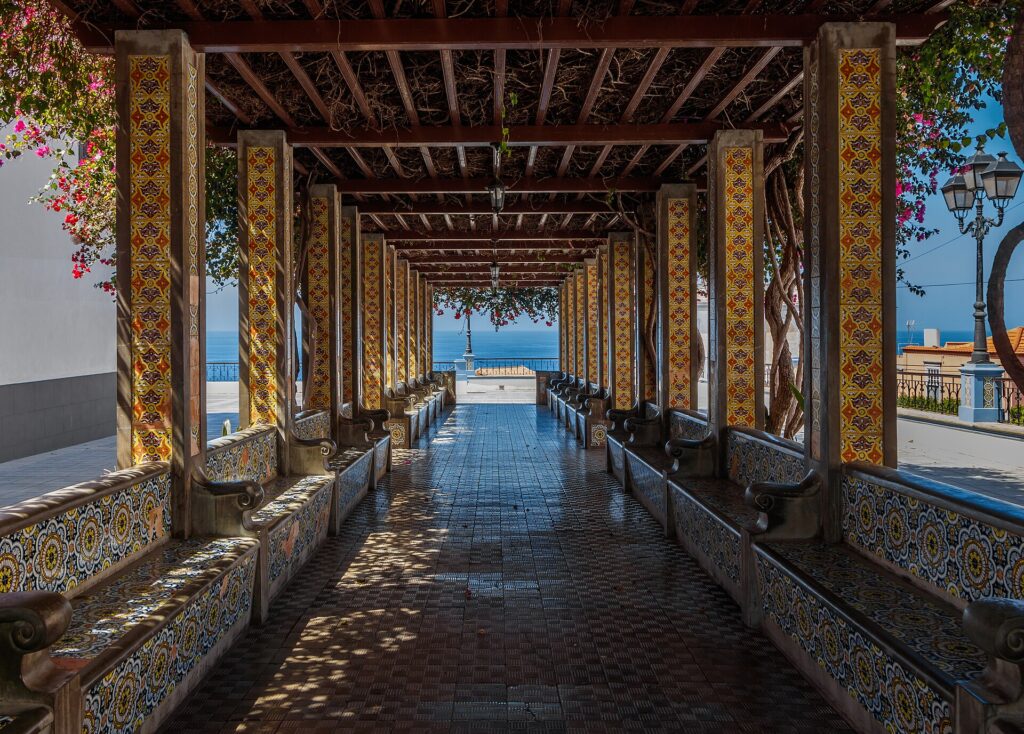
What each window delivers, by confirmed average daily highs:
- Late March: around 22C, dry, and noticeably cheaper than fair weeks.
- May: around 28C, the warmest pleasant stretch before the furnace arrives.
- Late October to early November: around 27C falling to 21C, with November carrying more rain (about 90 mm, near December’s wettest).
The period to skip is July and August, when highs average about 36C and the hottest afternoons reach roughly 42 to 43C. Sightseeing on foot becomes punishing, and the cheaper hotel rates exist precisely because locals leave.
Frequently Asked Questions
Are there major festivals in Seville?
Yes — Seville hosts notable events including: Semana Santa (Holy Week) (Mar-Apr), Feria de Abril (April Fair) (Apr), Bienal de Flamenco (Sep-Oct), Corpus Christi (May-Jun). Major festivals can spike hotel prices 50-200% — book 3-6 months ahead if attending.
What should I pack for Seville?
Pack for the season you’re visiting and the climate zone. Summer in Seville: lightweight breathable clothes, sunscreen, hat, comfortable walking shoes. Winter: layers, waterproof jacket, warm accessories. Check the 10-day forecast 1-2 weeks before departure and adjust.
Related Seville Travel Guides
- 8 Best Things to Do in Seville (2026): Top Sights & Tips
- Where to Stay in Seville (2026): Best Areas by Travel Style
Related Articles
- Things to Do in Faroe Islands: 12 Experiences You Can’t Miss
- Things to Do in Albania: 12 Experiences You Can’t Miss
- Things to Do in Albania: Hidden Mediterranean
- Things to Do in Estonia: Tallinn + Beyond
You Might Also Love



Written by
John Morrison is the founder and lead travel writer at Packzup. Over the past decade he has explored destinations across Africa, the Americas, Asia, Europe, the Middle East, and Oceania — always self-funded, never on a press trip.
