
Last updated September 10, 2026 · Editorial policy
Germany vs Spain: traveler quick facts
Quick facts: Germany runs about $180-300/day mid-range (Pricey) vs Spain at about $100-180/day (Moderate). Spain is roughly 42% cheaper per day mid-range.
| Traveler factor | Germany | Spain |
|---|---|---|
| Daily cost (mid-range) | $180-300 (Pricey) | $100-180 (Moderate) |
| Tourist tax | No nationwide tax; ~40+ cities set 2-7.5% (Berlin 7.5%, Cologne 5%); many charge none | EUR 12.00 per person per night at 5-star hotels in Barcelona (regional IEET EUR 7.00 + EUR |
| Tipping | Optional / appreciated | Optional / appreciated |
| Plug & voltage | C, F | 230V | C, F | 230V |
| Adapter needed from US | Yes | Yes |
Compiled from Packzup's Travel Cost Index, Tourist Tax Index, Tipping Index and Power Plug Index — updated 2026. Costs are per person, mid-range, excluding flights.
- Cost comparison: what a day really costs
- Food: one clear winner, one underrated contender
- Beaches and nature: a mile apart
- Cities and culture: pick your century
- Weather and when to go
- Getting around, entry rules and safety
- Nightlife and vibe
- Germany or Spain: the honest verdict
- FAQ
- Which is better for your trip, Germany or Spain?
It is July 2026, and if your group chat looks anything like mine, it has been wall-to-wall World Cup all summer as the tournament sweeps across the USA, Canada and Mexico. Germany and Spain are two of the most football-obsessed nations on earth, and watching their fans pack out plazas and beer gardens for every match this summer has been a reminder of how much national personality both countries pour into the game.
But this is not a football article. It is a travel comparison, written after multiple trips through both countries with a backpack, a rail pass and, later, a mid-range hotel budget. Germany and Spain are both spectacular, but they are spectacular in almost opposite ways, and picking the wrong one for your travel style can genuinely sour a trip. Here is the honest breakdown, category by category, with real numbers and a verdict that actually commits.
| Category | Germany | Spain | Winner |
|---|---|---|---|
| Daily budget | $75–240 for most travelers | $60–210 for most travelers | Spain |
| Food | Hearty beer-hall classics, superb bakeries | Tapas, seafood, remarkable regional variety | Spain |
| Beaches/Nature | Alps, forests and lakes; chilly Baltic beaches | Mediterranean and Atlantic coasts, plus islands | Spain |
| Cities & culture | Berlin, Munich, Hamburg; world-class museums | Madrid, Barcelona, Seville; Moorish architecture | Tie |
| Weather | Four real seasons, gray winters | Sunshine most of the year | Spain |
| Ease of travel | Dense rail network, frequent delays lately | Punctual high-speed AVE trains | Spain |
| Nightlife | Berlin club scene is the world benchmark | Late-night culture in every city | Tie |
| Value for money | Good outside the big cities | Excellent, especially food and wine | Spain |
When to go: Germany vs Spain
Measured, not guessed — five years of climate normals (WMO 1991–2020, or ERA5 2019–2023 where unavailable). Months are ranked by how close the average high sits to 25°C, penalised by wet days.
Germany
- Best month
- June
- Then expect
- 25.7°C · 9 wet days
- Next best
- August, July
- Wettest month
- January (13 wet days)
Spain
- Best month
- May
- Then expect
- 25.1°C · 5 wet days
- Next best
- September, June
- Wettest month
- April (11 wet days)
- Different windows — Germany peaks in June, Spain in May. If your dates are fixed, that is the deciding factor.
- Spain is the drier bet at its peak — 5 wet days vs 9.
- Biggest split is July — Spain is 10.3°C warmer that month.
Source: climate normals (WMO 1991–2020, or ERA5 2019–2023 where unavailable) via Open-Meteo, CC BY 4.0 — Packzup Travel Climate Dataset (open data).
Cost comparison: what a day really costs
Spain is cheaper than Germany in almost every category, though the gap has narrowed as Spanish coastal cities have boomed again.
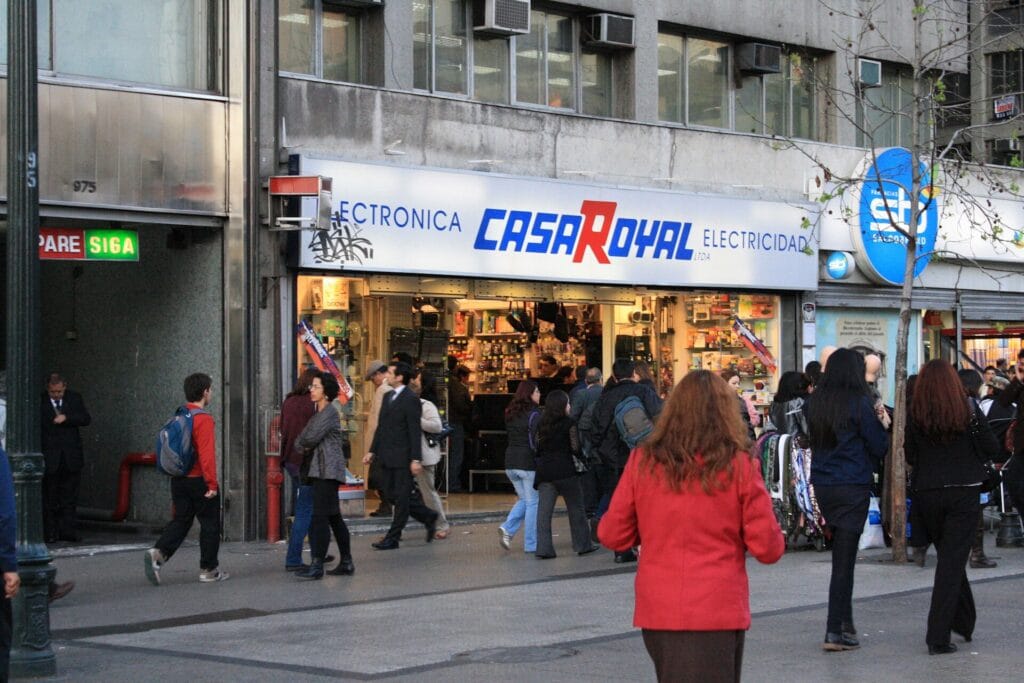
On a budget, Spain runs about $60 to $90 a day. Hostel dorms are $25 to $40 in most cities, a menu del dia lunch of three courses with a drink still goes for $13 to $18 outside the tourist cores, and a metro ride is under $2.50. Germany on a budget is more like $75 to $105 a day: dorms run $35 to $50, and while bakeries and doner shops keep food costs down, transit passes and sit-down meals nudge everything higher.
Mid-range travelers should plan on $130 to $210 a day in Spain and $150 to $240 in Germany. That covers a decent three-star hotel, restaurant meals and intercity trains in both countries. Luxury starts around $300 a day in Spain and $350 in Germany, and climbs fast in Marbella, Ibiza or central Munich.
Two seasonal warnings from experience: Munich prices roughly double around Oktoberfest in late September, and Spain marks up its entire coastline in August when half of Europe arrives at once. If you are weighing Spain against its northern neighbor instead, our Spain vs France comparison covers that matchup in the same detail.
Food: one clear winner, one underrated contender
I will say it plainly: Spain wins the food category, and it is not particularly close. The tapas culture alone, standing at a crowded bar in Seville with a plate of jamon iberico and a cold cana, is worth the flight. Add the pintxos bars of San Sebastian, proper paella in Valencia, grilled octopus in Galicia and the fact that a very good bottle of Rioja costs less than a mediocre cocktail back home, and Spain is simply one of the best eating countries on the planet. The only European rival that pushes it this hard at the table is the one in our Italy vs Spain face-off.
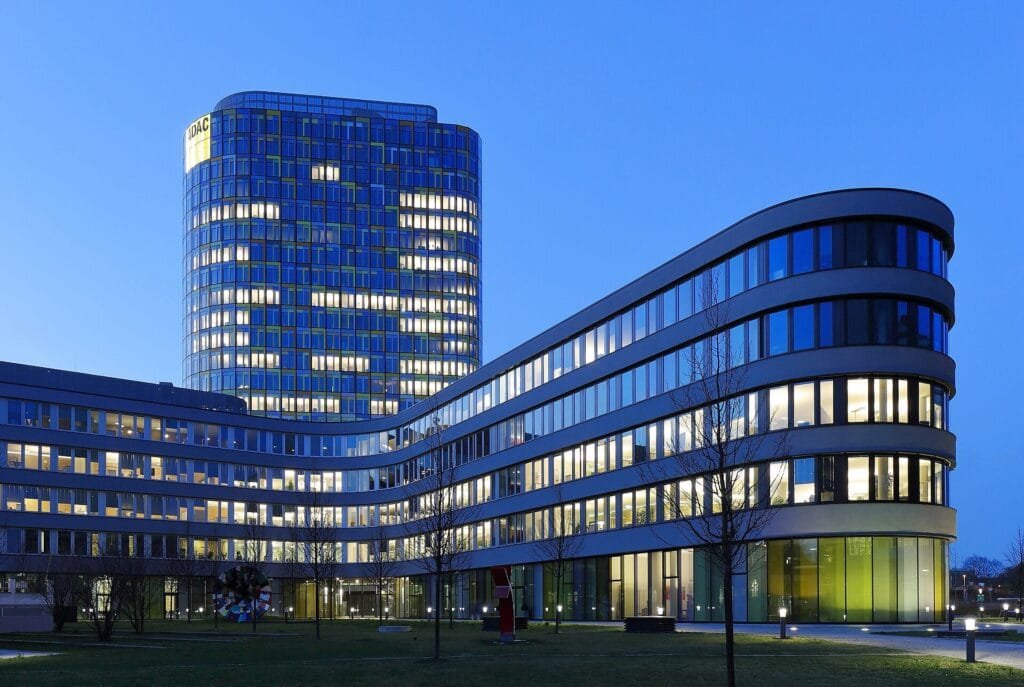
That said, German food is far better than its reputation. The bakery culture is genuinely world-class; I ate a fresh pretzel or seeded roll almost every morning for two weeks and never got bored. Bavarian beer gardens serve roast pork and dumplings that land perfectly after a day of hiking, Berlin has one of the best doner kebab scenes outside Turkey, and December turns the whole country into one giant Christmas-market food festival.
The honest catch: German menus get repetitive after a week. Pork, potatoes and bread are the backbone, and vegetarians will work harder outside the big cities. Spain, with its Basque, Catalan, Andalusian and Galician traditions, is still surprising you in week three.
Beaches and nature: a mile apart
If beaches matter at all to your trip, this category decides the whole debate. Spain has two seas and an ocean to play with: the rocky coves of the Costa Brava, the long Atlantic sands around Cadiz, the Balearic Islands, and the Canaries, which stay warm enough to swim while the rest of Europe is wearing coats. Germany technically has beaches on the Baltic and North Sea, and Rugen with its white cliffs and faded resort towns is lovely in a moody, windswept way, but nobody plans a beach holiday around them and the water is bracing even in August.

Nature is a much fairer fight. The Bavarian Alps give Germany real alpine drama: cable cars up the Zugspitze, the absurdly photogenic Konigssee, and hiking trails with beer huts at the top, which remains civilization at its finest. The Black Forest and the sandstone spires of Saxon Switzerland round out a genuinely underrated outdoor scene. Spain counters with the Picos de Europa, the Pyrenees and the volcanic moonscapes of the Canary Islands, so it is hardly a slouch inland either.
Verdict: Spain wins beaches by a mile and holds its own on mountains, so it takes the category. If you are a beach-first traveler comparing other Mediterranean options, our Greece vs Portugal breakdown is the natural next read.
Cities and culture: pick your century
This is the closest category, and it comes down to which version of Europe you want.

German cities are about layers of history you can walk through. Berlin is one of the most fascinating cities on earth: the East Side Gallery, the Holocaust Memorial, Museum Island, and a street-art-and-kebab energy no other capital matches. Munich is its polished opposite, all beer halls, palaces and Alps on the horizon, while Hamburg’s harbor, Cologne’s cathedral and Dresden’s rebuilt old town give the country a deep bench. If museums and twentieth-century history are your thing, Germany may be the single best country in Europe, a case we also wrestled with in our France vs Germany matchup.
Spanish cities hit different senses. Barcelona is Gaudi’s fever dream made walkable. Granada’s Alhambra might be the most beautiful building complex on the continent, Cordoba’s Mezquita is not far behind, and Seville in orange-blossom season is almost unfairly romantic. Madrid stays underrated: the Prado and Reina Sofia by day, and a bar scene where the entire city seems to be out on a random Tuesday.
The real difference: German cities reward museum-goers and history readers, while Spanish cities reward people who want to live in the street, eating and walking and staying out late. I am calling it a tie and telling you the truth, which is that you will eventually want both.
Weather and when to go
Spain wins this one, but with a real asterisk. From November to March, most of Germany settles into a gray, drizzly chill that even Germans complain about; December’s Christmas markets are the glowing exception and a legitimate reason to visit in their own right. May through September is reliably pleasant, with long evenings built for beer gardens.

Spain delivers sunshine most of the year, but July and August in the interior are brutal. Seville and Cordoba routinely push past 100F, Madrid is not far behind, and the coasts stay bearable but heave with crowds.
My honest calendar: Spain from April to mid-June or September to October, the Canaries in winter, and Germany from May to September plus December for the markets. If you can only travel in high summer, say around a World Cup, Germany’s mild July is actually the more comfortable place to be, while Spain works if you stick to the coast and accept the company.
Getting around, entry rules and safety
Here is one that surprises people: Spain now has the better trains. The AVE high-speed network links Madrid, Barcelona, Seville, Valencia and Malaga at speeds that make domestic flights feel pointless, and it generally runs on time. Germany’s network is far denser and regional trains reach every last village, but Deutsche Bahn’s delays have become a national running joke, and I have missed enough connections there to stop finding it funny. Both countries are easy to drive in; the autobahn is the better road-trip story, Andalusia’s white villages the prettier one.
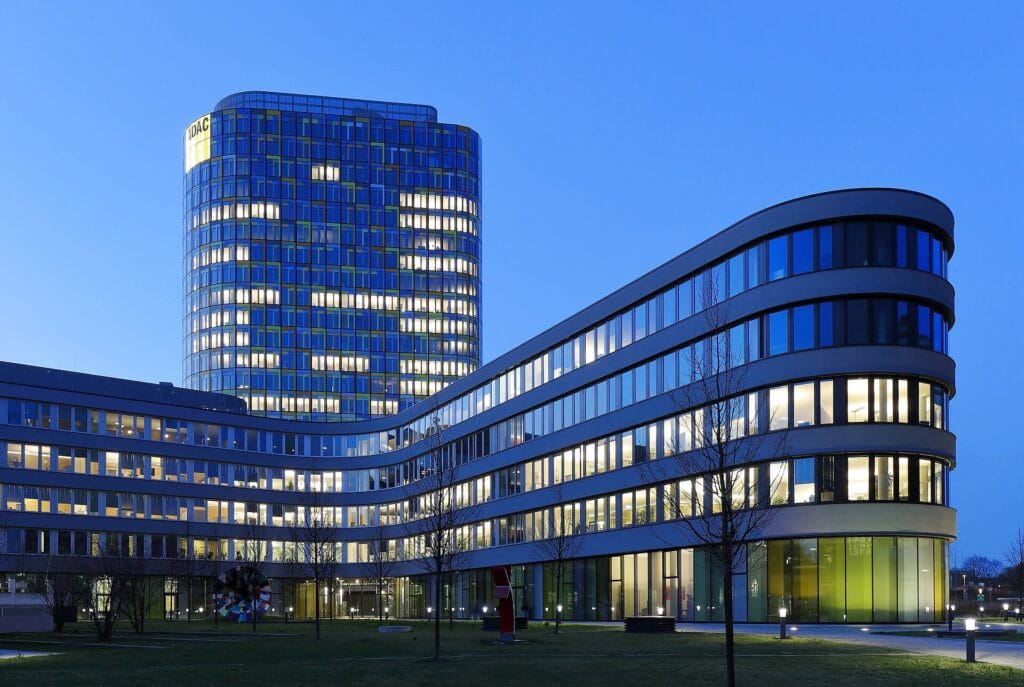
Entry, for US passport holders, is identical: both countries sit in the Schengen zone, so you get up to 90 days in any 180-day period with no visa. Two 2026 realities worth knowing. First, the EU’s biometric Entry/Exit System has been rolling out at borders, so expect fingerprints and a photo instead of a passport stamp. Second, the ETIAS pre-travel authorization, a small online registration fee similar to what several countries already require, is slated to become mandatory, so check the official EU website for the current status before you book. Keep your passport valid at least three months past your planned exit, six to be safe.
Safety is a non-issue in both beyond normal city sense. The real risk is pickpocketing: Barcelona’s Las Ramblas and metro are notorious for it, Madrid’s Sol district is close behind, and Berlin’s touristy corners are not far off. Violent crime against visitors is rare in both countries.
Nightlife and vibe
Two completely different philosophies of a night out. Berlin’s club scene is the global benchmark for electronic music: parties that start Saturday and end Monday, famously ruthless door policies (getting turned away at 2 a.m. is practically a rite of passage), and a seriousness about sound you will not find anywhere else. Outside Berlin, German nightlife leans more toward long beer-garden evenings than late clubs.
Spain does not really have nightlife; it has a nocturnal society. Dinner starts at 9:30 or 10 p.m., bars fill after midnight, and clubs in Madrid or Barcelona do not get going until 2 a.m., on weeknights. Add Ibiza’s summer superclubs and the sight of grandmothers still chatting on the terrace at 1 a.m., and staying out late stops feeling like an event and starts feeling like the culture.
Verdict: dedicated clubbers should book Berlin and thank me later; everyone else will have more fun with Spain’s everywhere, every-night energy.
Germany or Spain: the honest verdict
No cop-outs. Here is who should book what.
Budget travelers: Spain. Costs run 10 to 20 percent lower for the same comfort level, and eating cheaply and well is far easier.
Foodies: Spain, decisively. Germany feeds you well; Spain changes how you think about eating.
Beach lovers: Spain, and it is not a conversation.
First-timers to Europe: Spain by a nose. The weather is more forgiving, mistakes cost less, and the highlights are more varied. But if your Europe fantasy is castles, museums and twentieth-century history, flip that and start with Germany.
History and museum travelers: Germany, clearly. Berlin alone justifies the flight.
Clubbers: Germany for Berlin specifically; Spain for everything else after dark.
And if someone forced me to pick one country for a single two-week trip? Spain. Germany is the deeper country to know; Spain is the better country to visit.
FAQ
Is Spain cheaper than Germany?
Which is better for a football-fan trip?
How many days do you need in each country?
Can you combine Germany and Spain in one trip?
Which is better for your trip, Germany or Spain?
For families
Verdict: Spain wins for families. Spain’s beach resorts are built around kids: Costa Dorada pairs shallow, lifeguarded sands with PortAventura, one of Europe’s biggest theme parks, and Mallorca and the Costa del Sol have short 30-60 minute airport transfers that spare toddlers a long drive. Germany fights back with Europa-Park in Baden-Wurttemberg and Legoland Deutschland in Bavaria, but its Baltic beaches are cool even in August, while Spain delivers reliable swimming weather from June through September.
For couples & honeymoons
Verdict: Spain wins for couples. Andalusia is one of Europe’s great romantic circuits: the Alhambra in Granada, rooftop bars in Seville, and paradores set in converted convents and castles for less than a mid-range German city hotel. Add sunset dinners in Ibiza’s old town or a slow week in Mallorca’s Serra de Tramuntana villages like Deia. Germany’s Rhine castles and Bavarian lakes are lovely, but they are weekend material rather than honeymoon material.
For budget travelers
Verdict: Spain wins on a budget. A weekday menu del dia in Spain still runs about 12-16 euros for three courses with wine, and off-season coastal hotels in places like Valencia or Cadiz undercut equivalent German city rates. Both countries are saturated with low-cost flights, but Spain’s shoulder seasons (April-May, October) combine low prices with weather Germany cannot match. Germany’s edge is the Deutschlandticket, a 58-euro monthly pass covering local and regional transit nationwide; Spain’s intercity trains cost more unless booked early.
For Christmas markets & winter city breaks
Verdict: Germany wins in winter. This is the trip Germany was made for: Nuremberg’s Christkindlesmarkt, Dresden’s Striezelmarkt (running since the 1400s), and Cologne’s cathedral-side stalls, all linked by fast ICE trains and fueled by gluhwein and bratwurst. Berlin and Munich also carry a full winter itinerary of world-class museums and beer halls. Spain in December is pleasant in Seville, but it simply does not do festive atmosphere at Germany’s level.
Planning the trip? Go deeper with our Germany Travel guide and best time to visit Spain.
You Might Also Love





Written by
John Morrison is the founder and lead travel writer at Packzup. Over the past decade he has explored destinations across Africa, the Americas, Asia, Europe, the Middle East, and Oceania — always self-funded, never on a press trip.
