
Last updated September 11, 2026 · Editorial policy
It is July 2026, and the world has spent a month glued to the World Cup across the USA, Canada and Mexico, which means football’s two great obsessions, Brazil and Spain, have been on everyone’s lips all summer. That is where the football talk ends, though, because this is a travel comparison, and as places to actually visit, these two giants could hardly play more differently.
I have traveled both on my own dime, and I will say it straight: neither country is simply better. Brazil is a continent-sized adventure that rewards time, a few Portuguese phrases and decent street smarts, and it repays you with beaches and wilderness that Europe cannot answer. Spain might be the easiest great country on earth to travel, dense with art, food and fast trains, and forgiving of every rookie mistake. Which one deserves your vacation days comes down to budget, appetite for chaos and how much time you can take, so let’s get into real numbers and the honest stuff that never makes the brochures.
| Category | Brazil | Spain | Winner |
|---|---|---|---|
| Daily budget | $35-150 for most travelers | $60-220 for most travelers | Brazil |
| Food | Churrasco, feijoada, boteco snacks | Tapas, jamon, menu del dia | Spain (barely) |
| Beaches / nature | World-class, absurd variety | Very good, more crowded | Brazil |
| Cities and culture | Energy and music over monuments | Dense history, walkable old towns | Spain |
| Weather | Warm year-round, regional rains | Reliable, scorching inland summers | Tie |
| Ease of travel | Huge distances, flights needed | Superb trains, compact | Spain |
| Nightlife | Street parties, samba, Carnival | Dinner at 10, clubs till dawn | Tie |
| Value for money | Your dollar goes far | Fair, rising in hotspots | Brazil |
When to go: Brazil vs Spain
Measured, not guessed — five years of climate normals (WMO 1991–2020, or ERA5 2019–2023 where unavailable). Months are ranked by how close the average high sits to 25°C, penalised by wet days.
Brazil
- Best month
- July
- Then expect
- 24.8°C · 7 wet days
- Next best
- June, May
- Wettest month
- February (16 wet days)
Spain
- Best month
- May
- Then expect
- 25.1°C · 5 wet days
- Next best
- September, June
- Wettest month
- April (11 wet days)
- Different windows — Brazil peaks in July, Spain in May. If your dates are fixed, that is the deciding factor.
- Spain is the drier bet at its peak — 5 wet days vs 7.
- Biggest split is January — Brazil is 19.7°C warmer that month.
Source: climate normals (WMO 1991–2020, or ERA5 2019–2023 where unavailable) via Open-Meteo, CC BY 4.0 — Packzup Travel Climate Dataset (open data).
Cost comparison: what you will actually spend
This is where the two countries split hardest. In Brazil, the exchange rate does heavy lifting for anyone earning dollars. On a backpacker budget of roughly $35 to $60 a day you can sleep in a good hostel, eat at por-kilo buffets (pay-by-weight lunch spots that are a national institution), ride city buses and still afford a caipirinha at sunset. A comfortable mid-range trip, think a nice guesthouse or apartment, restaurant dinners, ride-hailing everywhere and a domestic flight or two, lands around $80 to $150 a day. Luxury in Brazil is genuinely cheap by global standards: $250 to $400 a day buys beachfront five-star treatment that would cost double in Western Europe.

Spain is not expensive by Western European standards, but it is still Europe. Budget travelers should plan on $60 to $90 a day, with hostel dorms in Madrid and Barcelona now running $25 to $40 and the blessed menú del día, a three-course set lunch often with wine included, holding around $12 to $18. Mid-range comes in near $130 to $220 a day with boutique hotels, tapas crawls and high-speed trains, and luxury starts around $350 and climbs fast in Ibiza or San Sebastián. Flights from the US are roughly a wash: east coast fares to Madrid and to Rio or São Paulo both tend to land in the $500 to $900 round-trip range depending on season. For pure purchasing power, Brazil wins comfortably.
Food: tapas versus churrasco
Spain owns one of the deepest food cultures on the planet, and it is no secret: jamón ibérico carved to order, proper paella in Valencia, pintxos counters in San Sebastián, garlicky gambas al ajillo in a Madrid bar at midnight. What makes it special is the rhythm. Eating in Spain is social, late and long, and even a modest neighborhood spot takes its croquetas seriously. The menú del día also makes lunch the smart splurge: order the daily set menu, eat like royalty, pay like a local.
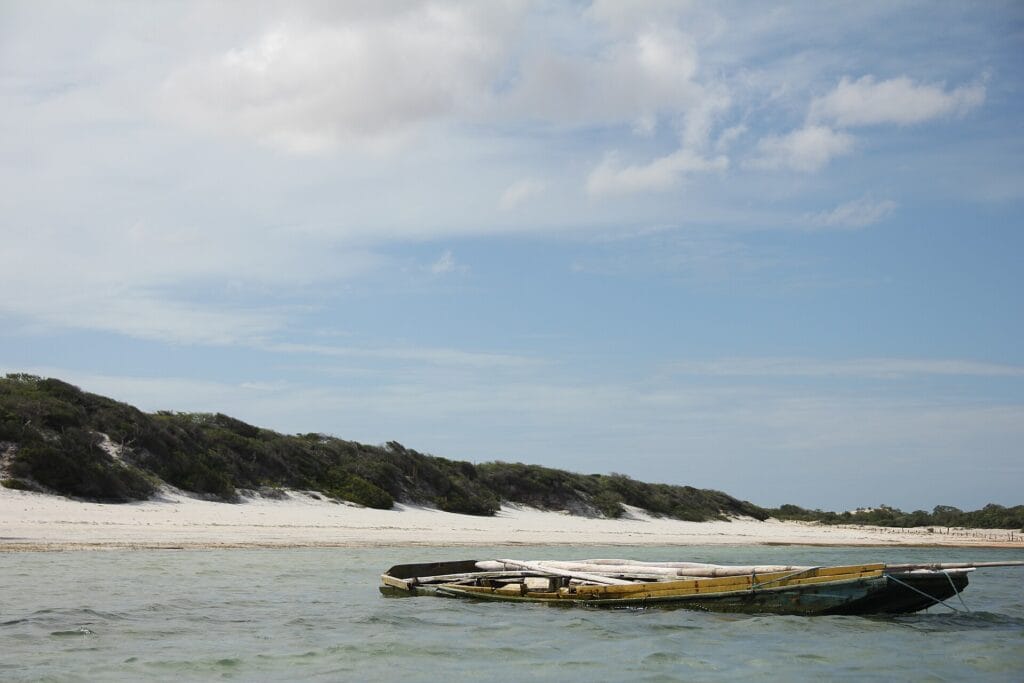
Brazil punches far above its reputation. Churrascarias parade skewers of picanha until you surrender, Saturday feijoada is a national ritual, and the snack game, pão de queijo, coxinha, açaí bowls that shame the exported version, is elite. Fresh juice bars on every corner, pressing fruits you have never heard of, are a daily pleasure Spain does not match. Regional cooking is the sleeper hit: moqueca, a coconut-milk seafood stew from Bahia, justifies the flight on its own. Spain takes the category on depth and consistency, but it is closer than most people expect, and Brazil wins on price every single meal.
Beaches and nature: not a fair fight
Spain has genuinely lovely coastline: the rocky coves of the Costa Brava, Andalusia’s long sands, the Balearics, and the Canary Islands giving you swimmable water even in January. For hikers, the Picos de Europa in the north and the Sierra Nevada above Granada add real mountain credentials. The catch is that you share all of it with half of Europe from June through August, and the most famous stretches are heavily built up.
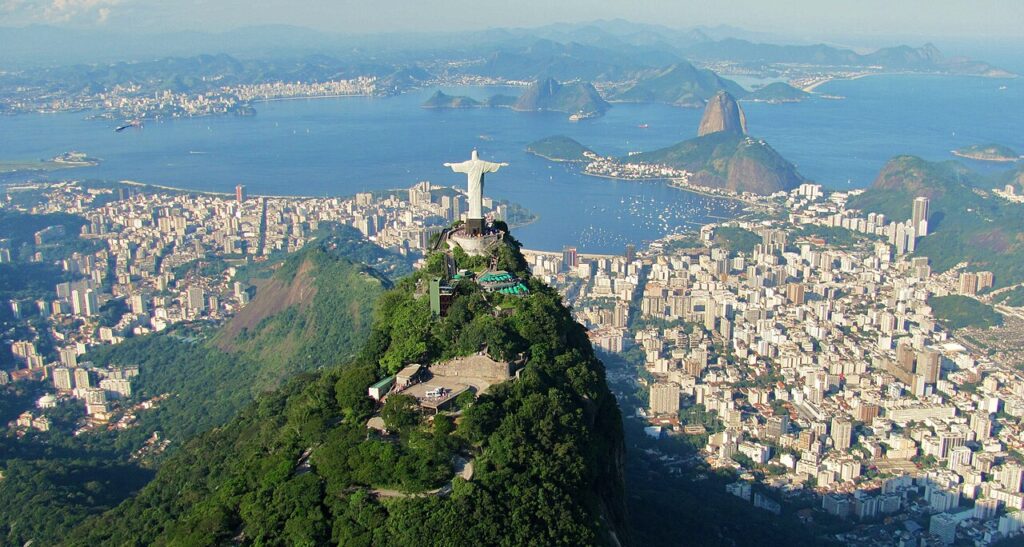
Brazil has more than 7,000 kilometers of coastline, and parts of it will rearrange your brain. Rio’s Ipanema is the best urban beach on earth, the northeast serves dune-and-lagoon landscapes like Jericoacoara and the Lençóis Maranhenses, and Fernando de Noronha is the kind of protected archipelago travelers whisper about. Then you leave the coast and Brazil keeps going: the Amazon, the Pantanal (your best odds anywhere of spotting a wild jaguar) and the thundering Iguaçu Falls. If nature is the reason you travel, this category is a knockout, the same conclusion I reached in our Argentina vs Brazil matchup. Spain is lovely; Brazil is a different scale of wild.
Cities and culture: Spain’s home turf
Flip it around and Spain hits back hard. Few countries pack this much art and history into such an easy circuit: the Prado and rooftop bars of Madrid, Gaudí’s fever-dream Barcelona, the Alhambra glowing above Granada, Seville in orange-blossom season, with Roman, Moorish and Gothic layers stacked in walkable old towns barely two train hours apart. You can see an outrageous amount in ten days without ever feeling rushed, which is why Spain holds its own even against heavyweight neighbors in our Spain vs France and Italy vs Spain comparisons.
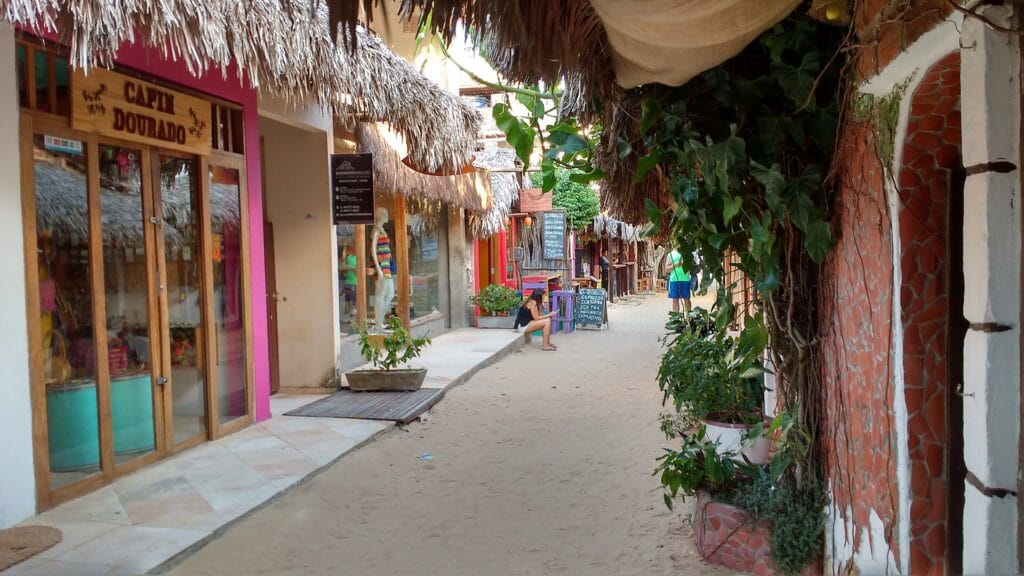
Brazil’s cities run on energy rather than monuments. Rio has the most dramatic urban setting anywhere, Salvador’s Pelourinho beats with Afro-Brazilian drum culture in pastel colonial streets, and São Paulo is a megacity whose art and dining scenes shock first-timers. But the distances are huge, the sights are scattered, and the cathedral-to-museum-to-plaza stroll that makes Spain so effortless mostly does not exist. For culture-dense city-hopping, Spain wins clearly.
Weather and when to go
The hemispheres work in your favor here, because the two countries peak at opposite times of year. Brazil’s summer runs December through March: beach season, Carnival season and high-price season all at once, with heat, humidity and afternoon downpours in Rio. The northeast coast stays warm and swimmable essentially year-round, while the Amazon and Pantanal have wet and dry seasons worth planning around; the drier months, roughly May to October, are better for wildlife.
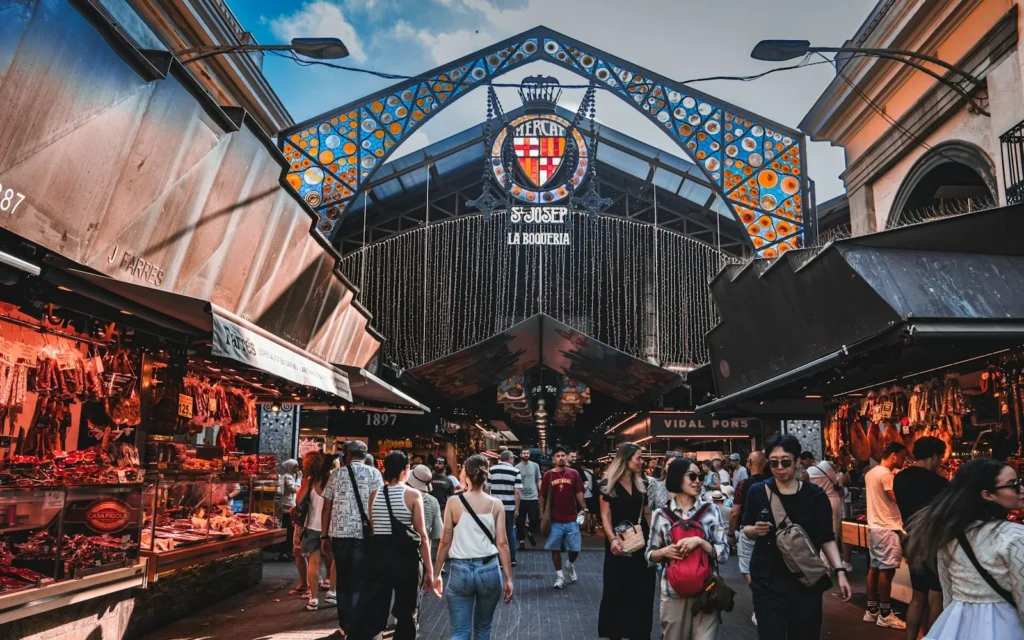
Spain is a spring-and-fall country. May, June, September and October are close to perfect nearly everywhere. July and August are brutal inland, with Seville and Córdoba regularly passing 100F, while the coasts hit maximum crowding. Winters are mild in Andalusia and the Canaries and properly cold in Madrid. Shoulder-season Spain also means lower hotel prices and shorter lines at the big sights, which matters more every year. Honest take: Spain is more predictable, but if your travel window is a North American winter, Brazil in its summer glory is the obvious play. Call it a tie decided by your calendar.
Getting around, safety and the visa question
Ease of travel is Spain’s biggest structural advantage. The AVE high-speed rail network turns Madrid to Barcelona into a two-and-a-half-hour glide, budget flights and buses fill the gaps, and cities are compact and walkable. Violent crime against tourists is rare; your real enemy is the pickpocket, especially around the Barcelona metro and Las Ramblas, so treat your phone like cash. English is thinner on the ground than many first-timers expect, but navigation is trivial.
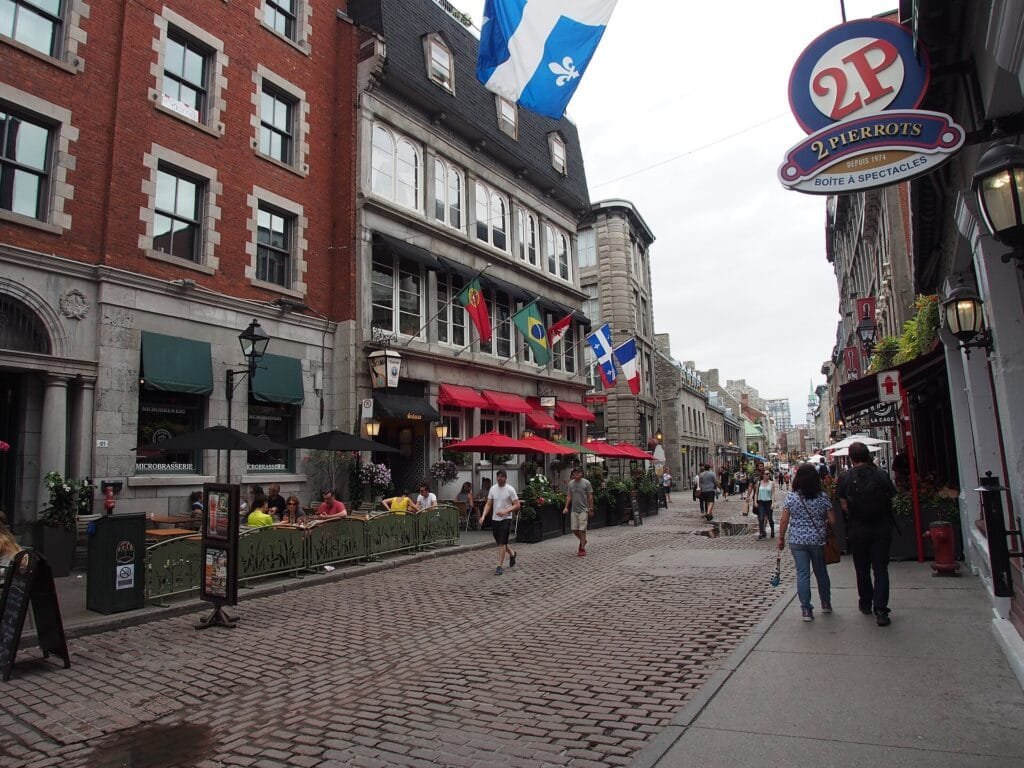
Brazil demands more from you. The country is nearly the size of the continental US, so any multi-region trip means domestic flights, which are thankfully frequent and reasonably priced. In the big cities, petty theft is a real risk, and you learn the local rules fast: do not flash your phone on the street, use ride-hailing apps at night, keep beach valuables minimal. I never felt in danger following basic street sense, and millions visit without incident, but pretending the safety gap does not exist would be dishonest.
Entry for US passport holders, as of mid-2026: Spain is the easy one, visa-free for up to 90 days in the Schengen area, though the EU has been phasing in its new biometric entry system and the ETIAS travel authorization, so check the current state of that rollout before you fly. Brazil brought back its visa requirement for Americans in 2025, so you now need an e-visa, currently around $80, applied for online before departure. The process is straightforward but not instant, so do not leave it until the airport.
Nightlife and vibe
Both countries treat the night as the main event; they just script it differently. In Spain, dinner starts at 10pm, bars fill at midnight, and clubs in Madrid and Barcelona do not peak until 3am, while Ibiza remains the superclub capital of the world. Even small Spanish towns keep a plaza buzzing on weeknights, with three generations out at once. If you like a proper structured night out, Spain is nearly impossible to top.
Brazil’s nightlife is less about venues and more about the street. Samba spills out of the bars of Rio’s Lapa district, botecos (open-front neighborhood bars) hum every night of the week, and the party often just happens, on a sidewalk, at a beach kiosk, around someone’s speaker. And then there is Carnival, which is less an event than a temporary national reality. Spain wins on club culture, Brazil wins on spontaneous joy, and I am calling it a tie you should break with your own personality.
Brazil or Spain: the honest verdict
No cop-outs. Here is how I would actually call it by traveler type.
Budget travelers: Brazil. Your money simply does more, and the best experiences, beaches, street life and nature, are cheap or free. Spain on a shoestring is doable; Brazil on a shoestring is comfortable.
Foodies: Spain. Brazil will surprise you, but Spain’s depth, from a $15 set lunch to some of the most influential kitchens on earth, means a food trip with no off nights.
Beach and nature lovers: Brazil, by a mile. Nothing in Iberia answers the Amazon, the Pantanal or the northeast coastline. If you want a purely European coastal duel instead, that is Greece vs Portugal territory.
First-time international travelers: Spain. Safe, compact, superbly connected and forgiving of mistakes. Brazil rewards experience; Spain rewards simply showing up.
Forced to choose with two weeks and a mid-range budget, I would book Spain. Give me three weeks, a winter departure or a bigger appetite for adventure, and it is Brazil without a second thought.
FAQ
Is Brazil or Spain cheaper to visit?
Which is better for a football-fan trip?
Do US citizens need a visa for Brazil or Spain?
How much time do you need in each country?
Planning the trip? Go deeper with best time to visit Brazil and best time to visit Spain.
You Might Also Love
More side-by-side comparisons




Written by
John Morrison is the founder and lead travel writer at Packzup. Over the past decade he has explored destinations across Africa, the Americas, Asia, Europe, the Middle East, and Oceania — always self-funded, never on a press trip.
