
January is the month Croatia stops being a coastal country and becomes two separate ones. Zagreb sits at about 4°C with snow and Advent hangovers; the Dalmatian coast is 11°C and green; and the islands are effectively closed. It is the cheapest month by a wide margin – and the month where getting the region wrong ruins the trip.
The weather, precisely
The figure makes the point better than prose can: in January the Adriatic is warmer than the air in Zagreb. Croatia has a Mediterranean coast and a continental interior separated by a mountain range, and in winter they behave nothing alike.
- Zagreb and the continental north – about 4°C by day, below freezing at night, with snow and grey inversions. This is central Europe, not the Mediterranean.
- Dalmatia (Split, Dubrovnik) – about 11–13°C, mild, green and often sunny between fronts. January is a wet month here, but not a cold one.
- Istria and Kvarner – in between; mild but damp.
- The Gorski Kotar and Lika highlands – genuinely snowy, and the route to Plitvice crosses them.
The bura
The one weather phenomenon a winter visitor must know about. The bura is a cold, dry, violently gusty wind that falls from the Velebit mountains onto the Adriatic, most often in winter. It can gust well past 150 km/h.
What it does:
- Closes ferry and catamaran routes, sometimes for a day or two at a time. If you are island-hopping in winter, build slack into the schedule.
- Closes bridges and coastal roads to high-sided vehicles – the Maslenica bridge on the A1 is the usual casualty.
- Clears the air completely. The best visibility of the year on the Adriatic comes the day after a bura.
What is actually open
This is the honest part, and most guides skate over it.
- The islands largely shut. Hvar, Korčula, Vis and the rest run on reduced winter ferry timetables, and most hotels, restaurants and bars on them close from November to April. Hvar town in January has a handful of places open. Do not plan an island trip now.
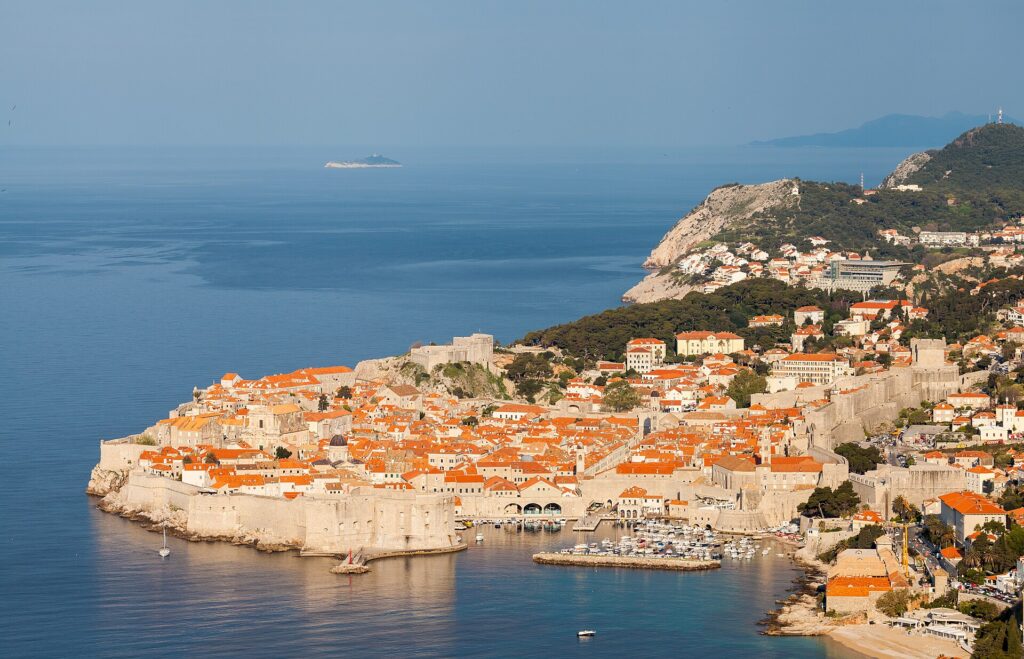
- Dubrovnik and Split stay open and are genuinely pleasant – mild, walkable and empty. Dubrovnik without cruise ships is a different city, and the city walls are a pleasure rather than an endurance test.
- Zagreb is fully open and is the real winter destination – a proper working European capital with museums, cafes and no tourists.
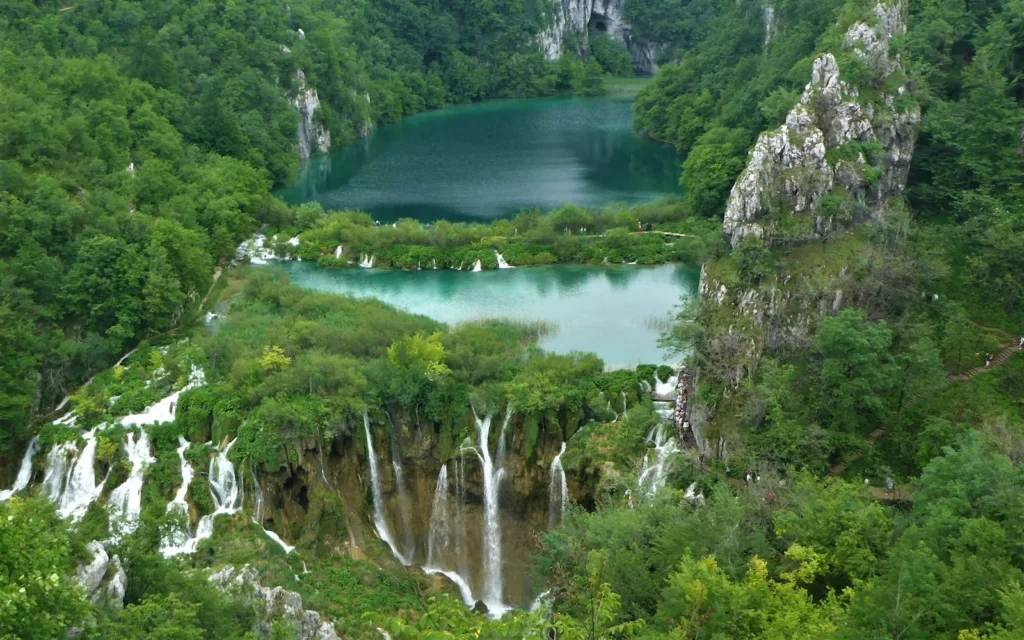
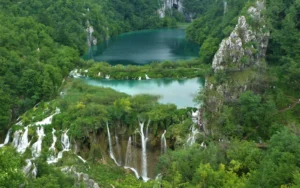
- Plitvice is open year-round and is extraordinary in winter, with the falls partly frozen and the crowds gone. Some upper trails and the boat close; check conditions, and note the road there crosses snowy highlands.
Practical notes
- Croatia uses the euro. It adopted the euro and joined Schengen on 1 January 2023 – the kuna is gone, and older guides that quote it are out of date.
- 1 and 6 January are public holidays – New Year’s Day and Epiphany.
- Advent in Zagreb runs into the first days of January in most years, with the ice rink and stalls on King Tomislav Square.
- Rijeka Carnival begins in mid-January with the raising of the Carnival flag, building to its main parade before Lent.
Prices and crowds
The cheapest month of the Croatian year by a distance. Coastal hotels that stay open discount heavily, flights are at their floor, and there are no crowds anywhere. See what a trip to Croatia costs.
What to pack
Depends entirely on where you are going. For Zagreb and the interior: a proper winter coat, gloves and a hat. For Dalmatia: layers and a waterproof, plus a windproof outer for the bura. For Plitvice: boots with grip and warm layers – the boardwalks are icy.
The January 2027 calendar
- Friday 1 January – New Year’s Day, a national public holiday.
- Wednesday 6 January – Epiphany, a national public holiday.
- First days of January – Advent in Zagreb winds up.
- Mid-January – the Rijeka Carnival season opens with the raising of the Carnival flag.
- Through January – bura season; ferry cancellations and bridge closures possible.
- Through January – islands largely closed; Zagreb, Split, Dubrovnik and Plitvice open.
Read alongside
- Croatia in February – Rijeka Carnival and the same low prices.
- Croatia in May – the coast reopens.
- Best time to visit Croatia – all twelve months compared.
- Croatia in 10 days – how the regions connect.
- Croatia travel guide – coast, islands and interior.
- Things to do in Dubrovnik – the off-season version.
- Trip to Croatia cost – low-season numbers.
Frequently asked
How cold is Croatia in January?
It depends where. Zagreb averages about 4°C by day with freezing nights and snow; the Dalmatian coast sits around 11–13°C and stays green. The Adriatic, at 14°C, is warmer than the air in Zagreb.
Are the Croatian islands open in January?
Largely not. Ferries run reduced winter timetables and most island hotels, restaurants and bars close from November to April. Save Hvar, Korčula and Vis for May to October.
What is the bura?
A cold, violently gusty wind falling from the Velebit mountains onto the Adriatic, mostly in winter. It can close ferry routes and coastal bridges for a day or two – and it leaves the clearest air of the year behind it.
Is Plitvice worth visiting in January?
Yes – the falls partly freeze and the crowds are gone. Some upper trails and the boat service close, the boardwalks ice over, and the road there crosses snowy highlands. Check conditions and take proper boots.
Does Croatia use the euro?
Yes. Croatia adopted the euro and joined Schengen on 1 January 2023. The kuna is no longer in use, and any guide still quoting it is out of date.
Is Dubrovnik good in winter?
Very. It is mild, green and completely free of cruise ships, and walking the city walls is a pleasure rather than a crush. Some restaurants close, but the city functions.
Is January cheap in Croatia?
It is the cheapest month of the year by a wide margin – flights, hotels and everything else.
Where should I go in Croatia in January?
Zagreb for a working winter city, Dubrovnik or Split for mild coastal walking, and Plitvice for frozen waterfalls. Not the islands.
You Might Also Love

Written by
John Morrison is the founder and lead travel writer at Packzup. Over the past decade he has explored destinations across Africa, the Americas, Asia, Europe, the Middle East, and Oceania — always self-funded, never on a press trip.
