
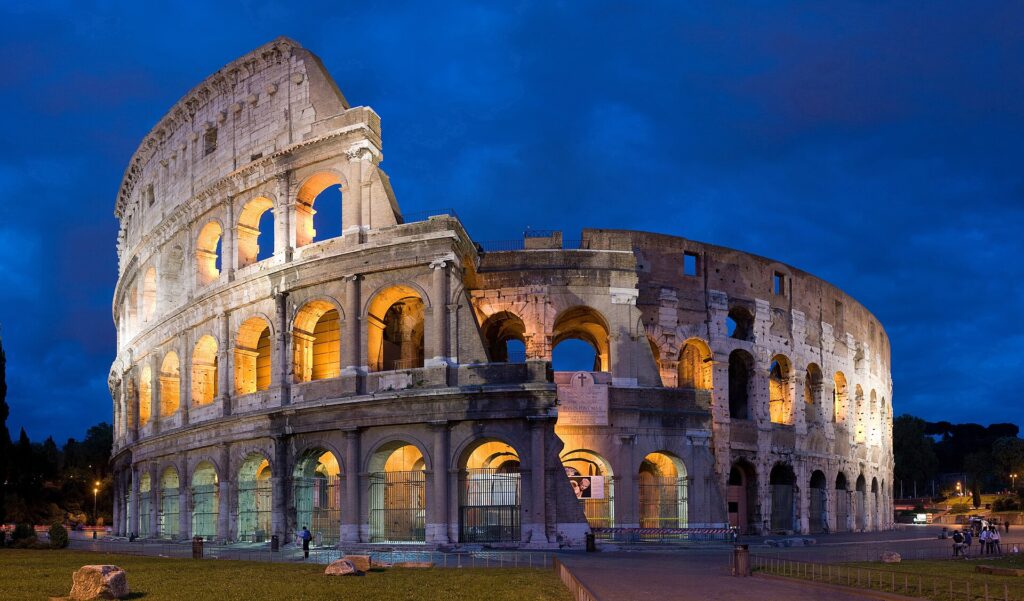
January is the quietest month in Rome and, for a certain kind of visitor, the best one. Days average about 12°C with 3°C nights, there are genuine queues nowhere, and the two things that make Rome difficult in summer – heat and crowds – are simply absent. You pay for it in short daylight, cold evenings and a real chance of rain.
The weather, precisely
Rome in January is a mild-winter city, not a cold one, but the numbers understate it in one respect: Roman buildings are built to shed summer heat, not hold winter warmth. Churches, older apartments and many restaurants are genuinely cold inside. Marble floors and high ceilings do not help. Dress as you would for outdoors and keep a layer on indoors.
About 67 mm of rain falls across roughly eight days. It rarely lasts all day, but cobbles get slippery and the queue-free advantage evaporates if you have not brought a coat you can stand around in.
Why the crowds matter more than the weather
This is the whole argument for January. In July the Colosseum, the Vatican Museums and the Forum are booked out and uncomfortable; in January you can often walk into the major sites with a timed ticket bought that morning.
- The Vatican Museums and the Sistine Chapel are at their emptiest of the year. Still book a timed slot – but the difference in experience is enormous.
- St Peter’s Basilica security queues, which can run for over an hour in summer, are usually short.
- The Colosseum, Forum and Palatine are pleasant to walk in 12°C, which they are not in 32°C.
- Restaurants take walk-ins, including ones that need booking weeks ahead in spring.
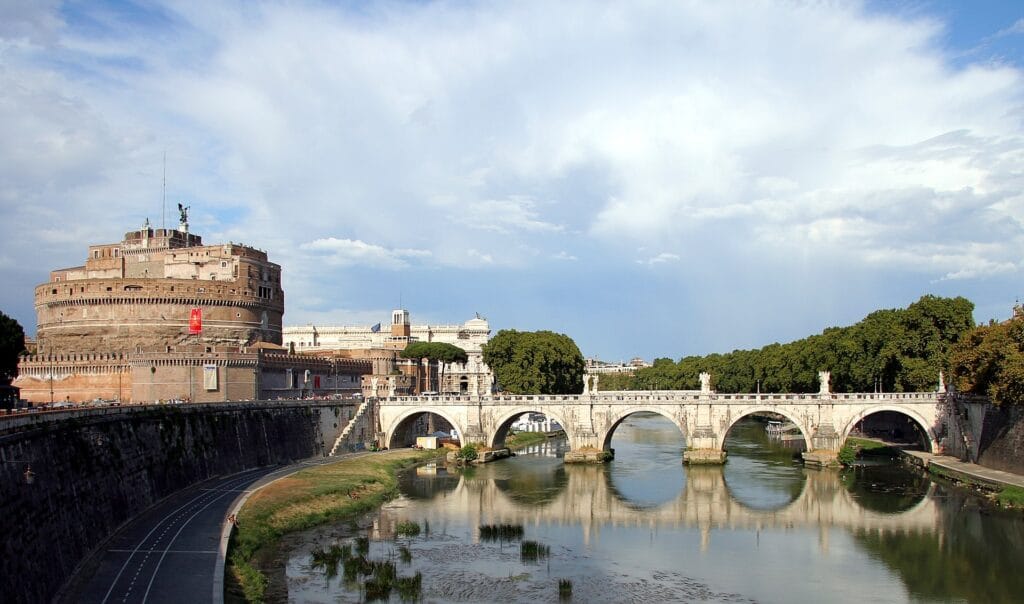
Free museum Sunday
On the first Sunday of every month, Italy’s state museums and archaeological sites offer free admission – the scheme known as Domenica al Museo. In Rome that includes the Colosseum, Roman Forum and Palatine, among many others.
The trade-off is real: free Sundays are by far the busiest days of an otherwise quiet month, and timed bookings are limited. In January the crowds are manageable in a way they never are in May. Arrive at opening.
Epiphany and the end of Christmas
Italian Christmas runs to Epiphany on 6 January – a public holiday, and the day La Befana, the broomstick-riding old woman of Italian folklore, brings sweets or coal to children. The Piazza Navona Christmas market traditionally runs until then, and the city’s nativity scenes – including the one in St Peter’s Square – stay up into early January.
After the 6th, Rome empties properly and the saldi, the winter sales, begin. That second half of January is the quietest, cheapest fortnight of the Roman year.
Prices and crowds
Low season, and the lowest rates of the year in the second half of the month. Flights are cheap, hotels are cheap, and the neighbourhoods that price themselves out of reach in spring – Centro Storico, Monti, Trastevere – become affordable. See what a trip to Italy costs.
What to pack
A warm waterproof coat, a scarf, and shoes with grip – Rome’s sampietrini cobbles are slick when wet and are the single most common cause of a bad day. Layers you can keep on indoors, because churches and older restaurants are cold. Modest clothing for St Peter’s and the Vatican Museums, where shoulders and knees must be covered year-round; a coat solves this in January.
The January 2027 calendar
- Friday 1 January – New Year’s Day, a public holiday; most shops and many restaurants closed.
- Sunday 3 January – free entry to state museums and sites, including the Colosseum and Forum.
- Wednesday 6 January – Epiphany, a public holiday; La Befana, and the traditional close of the Piazza Navona market.
- From early January – the winter saldi sales begin.
- Second half of January – the quietest and cheapest fortnight of the Roman year.
- Wednesdays – the papal general audience, when the Pope is in Rome; free tickets required.
Read alongside
- Rome in February – still quiet, with Carnival.
- Rome in December – Christmas, and the one busy winter fortnight.
- Italy in January – the country-wide view.
- Rome itinerary – how to structure the days.
- Things to do in Rome – the indoor-friendly list.
- Day trips from Rome – what works in winter.
- Trip to Italy cost – low-season numbers.
Frequently asked
How cold is Rome in January?
About 12°C by day and 3°C at night – mild by northern European standards. The catch is indoors: Roman buildings are designed to stay cool, so churches and older restaurants feel colder than the street.
Is January a good time to visit Rome?
If you care more about seeing the sites than about the weather, it is the best month. The Vatican Museums, the Colosseum and St Peter’s are at their emptiest, and prices are at their lowest.
Does it rain in Rome in January?
About 67 mm across roughly eight days. It rarely rains all day, but the cobbles get slippery – shoes with grip matter more than an umbrella.
Are museums free on Sundays in Rome?
On the first Sunday of each month, state museums and archaeological sites are free – including the Colosseum, Forum and Palatine. It is the busiest day of the month, so arrive at opening.
Is anything closed in Rome in January?
1 January and 6 January are public holidays, when most shops and many restaurants close. Otherwise the city runs normally, and far more is open than in August.
When does Christmas end in Rome?
At Epiphany on 6 January, when La Befana brings sweets to children and the Piazza Navona market traditionally closes. Decorations and nativity scenes come down shortly after.
Do I need to book the Vatican Museums in January?
Yes, book a timed slot – but availability is good and the galleries are far more comfortable than in spring or summer. St Peter’s security queue is usually short.
Is Rome cheap in January?
It is the cheapest month, particularly the second half. Flights and hotels both drop, and central neighbourhoods become affordable.
You Might Also Love



Written by
John Morrison is the founder and lead travel writer at Packzup. Over the past decade he has explored destinations across Africa, the Americas, Asia, Europe, the Middle East, and Oceania — always self-funded, never on a press trip.
