Last updated September 12, 2026 · Editorial policy
Quick verdict: Mexico City is North America’s rising nomad hub — Roma Norte + Condesa + Polanco. Excellent food + culture + close to US/Canada timezones. Refined across personal Mexico trips.
Best Nomad Areas
Roma Norte (hip + cafes + tree-lined), Condesa (parks + brunch + nightlife), Polanco (upscale + business), Coyoacan (slower + Frida Kahlo)
Coworking Spaces
WeWork (multiple locations), Selina (Mexico City), Public Coffee Roasters, El Patio 77, Centraal
Monthly Cost Breakdown
1BR apartment $700-1500, Coworking $200-350, Food $400-700, Transit $20-40, Phone/SIM $20-40, Entertainment $200-500
Best Cafes for Working
Quentin Cafe (Roma), Cafe Marabunta (Roma), Reverb Cafe, Cafe Negro Carbon, Buna 42
Food + Culture
Top-3 food city globally. Tacos $1-3, Pujol + Quintonil World 50 Best, Mezcal culture, Day of the Dead (Oct 31-Nov 2).
Visa Pathway
180-day tourist visa for most Western passports. Easy renewable. Mexico DNV launching 2025-2026 (proposed). Temporary residency available.
Compare Mexico City tours and tickets →
What It Actually Costs to Be a Nomad in CDMX (2026 Numbers)
Mexico City stopped being the screaming bargain it was in 2019 — Roma Norte rents are up roughly 40–60% since the nomad wave hit — but it’s still cheap by US/EU standards. Plan on $1,600–$2,400/month for a comfortable solo setup, or $2,500–$3,200+ if you want Polanco and Ubers everywhere.
- Rent: A furnished 1BR in Roma Norte or Condesa runs $900–$1,200/mo on a 3–12 month lease. Short-term Airbnb-style rentals cost 30–100% more for the same apartment, so lock in a longer lease the moment you commit.
- Food: $250–$450/mo. You can eat brilliantly for ~$8/day on taco-stand dinners, market fondas, and comida corrida set lunches; a nice Roma dinner with mezcal runs $25–40.
- Coworking: Hot-desk memberships are $120–$250/mo; day passes $10–$20.
- Transport: $40–$80/mo. The Metro is ~$0.25 a ride; short Ubers are $3–6.
The hidden cost is the lease premium — short-stay nomads quietly subsidize the whole market.
Best Neighborhoods, Wifi & Where to Actually Work
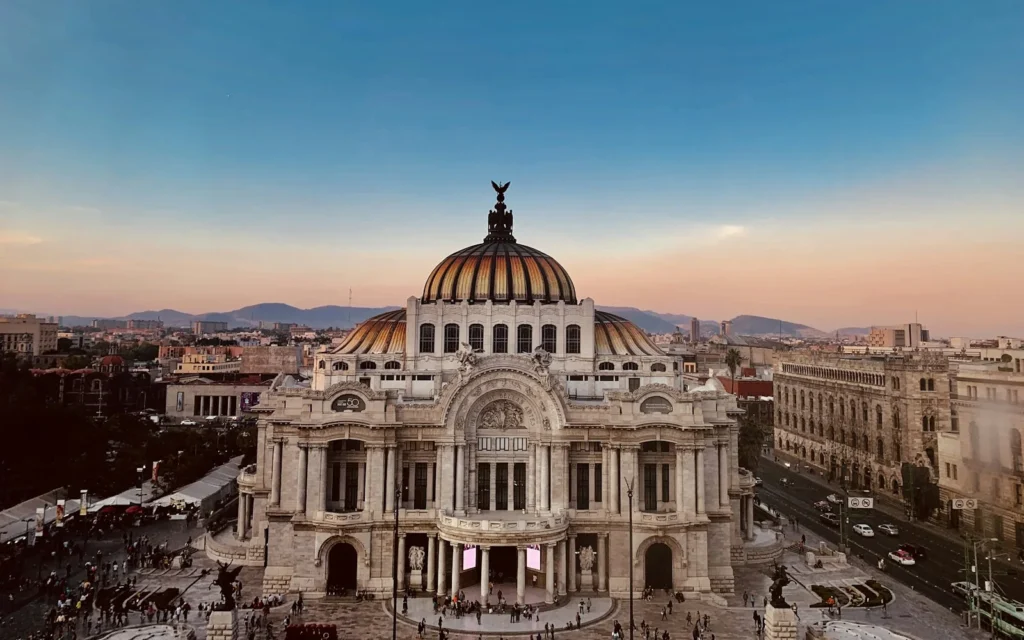
Roma Norte is the default landing zone and ground zero for the CDMX nomad scene: art-nouveau facades, tree-lined streets, and a café roughly every 40 metres. It’s social and saturated — great if you want an instant friend group, exhausting if you want quiet. Condesa, right next door, is the calmer, more residential version: dog walkers, neighborhood cantinas, less party noise. Polanco is the splurge — world-class dining and maximum safety/comfort if your remote salary covers it.
The wifi reality: apartments and cafés in Roma, Condesa, and Polanco typically run 50–100 Mbps fiber — fine for video calls, not gigabit. Always confirm the actual speed before signing; old colonial buildings vary wildly. On the time-zone front, CDMX sits on Central Standard Time year-round (it dropped daylight saving in 2022): it matches US Central time in winter and runs one hour behind US Central in summer, so US-client calls still land in normal business hours either way.
- Homework — the most-loved nomad coworking brand, multiple Roma/Condesa locations, real community programming.
- Impact Hub Roma Norte — social-entrepreneur focus, regular pitch nights and mixers.
- IOS Offices — large professional network (Polanco, Santa Fe) for serious setups.
- Blend Station — the go-to laptop-friendly café in Roma.
Visa Rules, the Nomad Community & Who CDMX Is NOT For
How long you can legally stay: Mexico has no dedicated digital nomad visa. Most nomads enter on the free FMM tourist permit, valid up to 180 days — but the exact number (1–180) is set by the immigration officer at the airport, and it cannot be extended; you must leave the country. For longer stays, get a Temporary Resident Visa (1–4 years, renewable). The 2026 financial bar: prove roughly $4,400/mo across recent months of statements, or about $74,000+ in savings — note these are UMA-based and vary by up to ~10% between consulates. You must apply at a Mexican consulate outside Mexico, then finalize at INM within 30 days of arrival.
Community: It’s one of the easiest cities on earth to plug into. The Mexico City Digital Nomads group tops 20,000 members, and the best last-minute day-pass and sublet leads circulate in Nomad List CDMX and Internations WhatsApp groups before they go public.
Who it’s NOT for: If you need silence, gigabit fiber, or guaranteed clean air, look elsewhere — spring brings real air-quality alerts, traffic is brutal, and earthquakes are a fact of life. Non-Spanish speakers can coast in Roma but hit a wall everywhere else.
Helpful Packzup guides
Frequently asked questions
Mexico City vs Medellin for nomads?
Best CDMX neighborhood for nomads?
CDMX monthly nomad cost?
CDMX safety for nomads?
Best CDMX visa for nomads?
Updated 2026. Some links on Packzup are affiliate links.
Gear that earns its place: best VPN for travel · best travel apps.
You Might Also Love



Written by
John Morrison is the founder and lead travel writer at Packzup. Over the past decade he has explored destinations across Africa, the Americas, Asia, Europe, the Middle East, and Oceania — always self-funded, never on a press trip.
Before you go: plan what to wear on your trip and sort your mobile data abroad.