
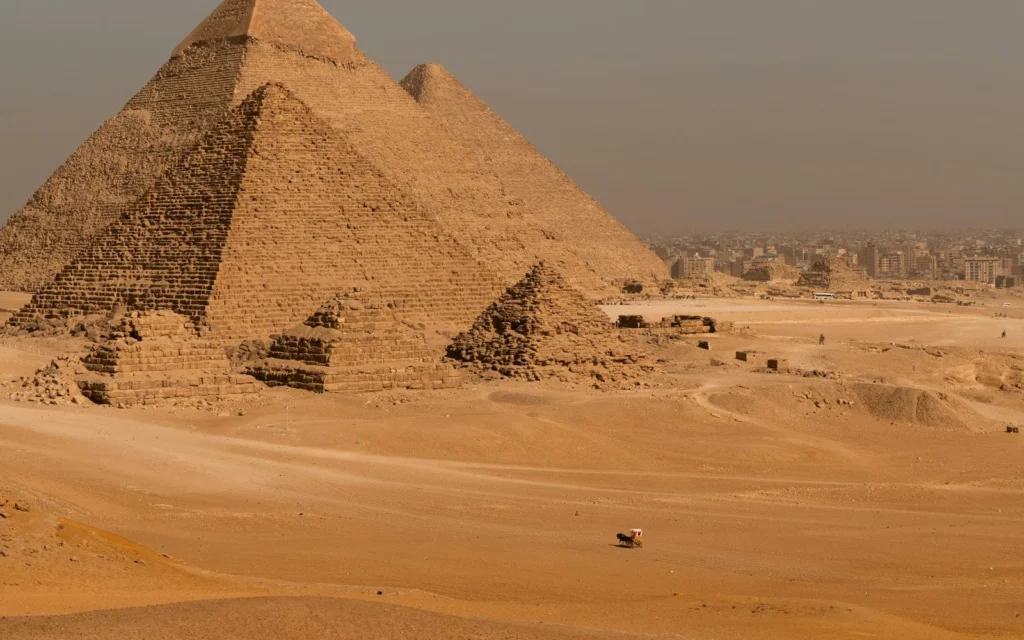
January is the peak of the Egyptian season and, for most visitors, the best month of the year. Cairo runs at about 20°C by day with essentially no rain, Luxor and Aswan are warm and dry, and the desert light is at its clearest. The trade-offs are the crowds at Giza and the Valley of the Kings, the highest prices of the year, and nights that get genuinely cold.
Why January works
Egypt’s attractions are almost entirely outdoors and almost entirely unshaded. That single fact organises the whole calendar: the Pyramids, Karnak, the Valley of the Kings and Abu Simbel are a pleasure at 20°C and an ordeal at 40°C. January gives you the low end of that range, which is why it is the high season.
It is also the best month for a Nile cruise. The Luxor–Aswan boats run year-round but January is when the deck is comfortable all day, and the temples along the way – Esna, Edfu, Kom Ombo – can be visited without racing the heat.

Weather by region
- Cairo and the Delta – about 20°C by day and 9°C at night, with only around 5 mm of rain. Comfortable by day, genuinely cold after dark, and often hazy in the mornings.
- Luxor and Aswan – warmer and drier, in the low-to-mid twenties by day, but the desert nights drop close to single figures. Almost zero rain.
- The Red Sea – Hurghada, Sharm el-Sheikh, Dahab, Marsa Alam – around 21–23°C with a sea temperature near 22°C. Swimmable for most people, and divers use wetsuits.
- Alexandria and the north coast – this is the wet corner of Egypt: mild, and January is its rainiest month, with occasional storms off the Mediterranean.
- The Western Desert and Siwa – warm days and cold nights; excellent for the White Desert, where camping is the point and the temperature drops sharply after sunset.
The two January holidays
- Thursday 7 January – Coptic Christmas. A national public holiday. Egypt’s Coptic Orthodox Church celebrates Christmas on 7 January, with the main service on the evening of the 6th at the Cathedral of the Nativity in the New Administrative Capital and at churches nationwide. Many businesses close.
- Monday 25 January – Revolution Day and Police Day. A national public holiday marking the 2011 revolution. Government offices, banks and some sites close, and central Cairo can see a heavier security presence.
Crowds, and how to work around them
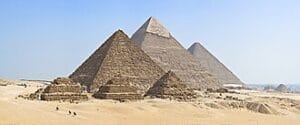
January is the busiest month at the headline sites. The practical responses are the ones locals and guides use:
- Be at the Giza plateau when it opens, not mid-morning. The difference is enormous, and the light is better.
- Do the Valley of the Kings early; the tombs are unventilated and get uncomfortable once full.
- Book Abu Simbel and the Nile cruise well ahead – January sells out.
- Consider the less-visited alternatives: Dahshur and Saqqara instead of only Giza, Dendera and Abydos from Luxor, and the Nubian villages at Aswan.
Prices
The most expensive month of the Egyptian year, alongside the Christmas and New Year fortnight that precedes it. Nile cruises, Luxor hotels and Red Sea resorts are all at peak rates, and the first week is the worst of it. Rates soften slightly from mid-January.
See the cost of travelling Egypt.
What to pack
More layers than people expect. Days are warm and evenings are cold, especially on a Nile cruise deck or in the desert, so a fleece or jacket is essential. Add a hat, sunglasses and high-factor sunscreen – the winter sun at these latitudes is still strong – plus modest clothing covering shoulders and knees for mosques and churches, and a scarf for women visiting mosques. Good shoes for uneven temple stone. See what to pack for Egypt.
The January 2027 calendar
- First week – the tail of the Christmas and New Year peak; the most expensive nights of the year.
- Wednesday 6 January – Coptic Christmas Eve services.
- Thursday 7 January – Coptic Christmas, a national public holiday.
- From mid January – rates soften slightly while the weather stays ideal.
- Monday 25 January – Revolution Day and Police Day, a national public holiday.
- Through January – peak Nile cruise season; book ahead.
- Through January – the rainiest month on the Mediterranean coast at Alexandria.
Read alongside
- Egypt in February – the Abu Simbel sun festival and the start of Ramadan.
- Best time to visit Egypt – all twelve months compared.
- Egypt 10-day itinerary – a route built for this weather.
- Cost of travelling Egypt – peak-season numbers.
- What to pack for Egypt – the winter list.
- Egypt travel guide – regions, routes and how to combine them.
- Is Egypt safe for travel – the practical picture.
Frequently asked
Is January the best time to visit Egypt?
For weather, yes – Cairo sits at about 20°C, Luxor and Aswan are warm and dry, and the sites are comfortable all day. The costs are peak prices and the biggest crowds of the year at Giza and the Valley of the Kings.
How cold does it get in Egypt in January?
Colder than most visitors expect. Cairo drops to around 9°C at night and the desert and Nile valley can feel colder still after sunset, so a proper jacket is essential even though the days are warm.
Can you swim in the Red Sea in January?
Yes, for most people. Air temperatures at Hurghada and Sharm el-Sheikh run around 21–23°C and the sea sits near 22°C. Divers generally wear a wetsuit.
When is Coptic Christmas?
7 January – a Thursday in 2027 – and it is a national public holiday in Egypt. The main service is on the evening of the 6th, and many businesses close on the day.
Is January good for a Nile cruise?
It is the best month. The deck is comfortable all day, the temples between Luxor and Aswan can be visited without racing the heat, and the light is at its clearest. It also sells out, so book well ahead.
Is Egypt expensive in January?
It is the most expensive month of the year, with the first week at the peak. Nile cruises, Luxor hotels and Red Sea resorts all run at high-season rates, easing slightly from mid-month.
Does it rain in Egypt in January?
Barely, except on the Mediterranean coast. Cairo gets around 5 mm for the month and Luxor and Aswan essentially none, but Alexandria and the north coast have their rainiest month.
How can I avoid the crowds at the Pyramids?
Arrive at opening rather than mid-morning, and add the quieter sites: Dahshur and Saqqara near Cairo, and Dendera and Abydos as day trips from Luxor. The Valley of the Kings is also much better early, because the tombs are unventilated.
You Might Also Love

Written by
John Morrison is the founder and lead travel writer at Packzup. Over the past decade he has explored destinations across Africa, the Americas, Asia, Europe, the Middle East, and Oceania — always self-funded, never on a press trip.
