
Last updated September 8, 2026 · Editorial policy
Madeira is a volcanic island with steep terrain, winding mountain roads, and settlements clinging to the coastline — getting around requires either a rental car or reliance on the public bus network that connects Funchal to outlying towns. The island is small (57 km long) but the mountainous terrain means nowhere is as close as it looks on the map. Funchal itself is walkable but hilly. The Horários do Funchal bus network covers the island reasonably well. For hikers wanting to reach levada (irrigation channel) trailheads, a car or organised transfer is usually essential.
Transport Options:
1. Rental Cars
The most practical way to explore Madeira. Mountain roads are narrow, steep, and winding — experienced drivers will enjoy the challenge while nervous drivers should be cautious. Modern tunnels and the Via Rápida highway have shortened travel times (Funchal to São Vicente: 35 minutes via tunnel). Rates from 25-40 EUR/day. Rent at the airport or in Funchal. Automatic transmission is recommended. Parking in central Funchal is challenging — use the underground car parks. Petrol costs about 1.70 EUR/litre. The mountain roads offer extraordinary views at every turn.
2. Public Buses (Horários do Funchal and SAM)
Horários do Funchal and SAM/Rodoeste operate bus services across the island. Urban Funchal buses cost 1.95 EUR (Giro card, available at kiosks). Inter-urban routes to Câmara de Lobos (20 minutes, 3 EUR), Porto Moniz (2.5 hours, 7 EUR), and Santana (1.5 hours, 5 EUR) run several times daily. The main bus terminal is near the Funchal marina. Services are less frequent on weekends. The bus to Curral das Freiras (Nun’s Valley) is popular with tourists. Download the Horários do Funchal app for timetables.
3. Taxis
Yellow taxis with meters operate in Funchal and can be hired for island tours. Metered city fares are reasonable. For island touring, negotiate a half-day (50-70 EUR) or full-day rate (90-130 EUR). Taxis know the island roads and can reach levada trailheads that buses don’t serve. The taxi from the airport to Funchal centre costs about 25-35 EUR (or the Aerobus for 5 EUR). Taxi drivers often serve as informal guides and know the best viewpoints. Agree on the tour price before departure.
4. Cable Cars (Teleférico)
The Funchal-Monte cable car rises from the old town to Monte village (600m elevation) in 15 minutes — a scenic ride with views over Funchal and the ocean. Costs 12.50 EUR one-way, 18 EUR return. From Monte, take the famous toboggan ride down (wicker sledge steered by two drivers in white) for 30 EUR per person. A second cable car connects Monte to the Botanical Garden. The cable cars are tourist attractions and practical transport for reaching the hillside gardens and viewpoints.
5. Walking and Hiking (Levadas)
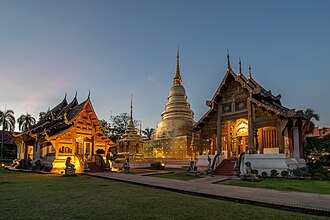
Madeira’s levada walks are the island’s signature hiking experience — following centuries-old irrigation channels through laurel forests, along mountain ridges, and through tunnels. The levada system totals 2,500 km. Popular walks: Levada das 25 Fontes (moderate, 4.6 km), Levada do Caldeirão Verde (moderate, 6.5 km), Pico do Arieiro to Pico Ruivo (challenging, 7 km). Most trailheads require a car or taxi to reach. Within Funchal, walking is pleasant but hilly — the old town and waterfront are flat.
6. Organised Tours and Transfers
For visitors without a car, organised excursions cover the island’s highlights. Jeep tours (East or West island, 50-80 EUR), levada walking tours (30-50 EUR), and full-island tours (60-90 EUR) run daily from Funchal. Companies like Madeira Happy Tours and Hit The Road provide hikers with transfers to levada trailheads and pickup at the end (25-40 EUR per person). Book through your hotel or online. The tours combine transport with local knowledge.
Transport Tips for Madeira
Rent a car for maximum flexibility — the mountain roads are rewarding for confident drivers. The Via Rápida highway and tunnels make the island more accessible than the map suggests. Free parking exists outside central Funchal (try near the Barreiros stadium). The Aerobus from the airport to Funchal is 5 EUR (vs 25-35 EUR by taxi). Levada trailheads often have no bus service — arrange transfers if not driving. Always carry a headtorch for levada walks with tunnels. Weather changes dramatically with altitude — pack layers. The Monte toboggan ride is touristy but fun.
What is the best way to get around Madeira?
The most practical options are Rental Cars and Public Buses (Horários do Funchal and SAM). The most practical way to explore Madeira. Mountain roads are narrow, steep, and winding — experienc…
Do I need a car in Madeira?
Not for Funchal itself, where Horarios do Funchal buses and Bolt rides cover most trips. Rodoeste and SAM buses reach coastal towns but run infrequently. Rent a car for levada trailheads, the north coast, and sunrise at Pico do Arieiro, and expect steep, narrow roads.
Is public transport safe in Madeira?
Yes, very safe. Crime on Horarios do Funchal, Rodoeste, and SAM buses is rare even at night. The real concerns are practical, winding roads that trigger motion sickness, so grab a handrail and keep bags on your lap.
Related Articles
Frequently Asked Questions
You Might Also Love


Written by
John Morrison is the founder and lead travel writer at Packzup. Over the past decade he has explored destinations across Africa, the Americas, Asia, Europe, the Middle East, and Oceania — always self-funded, never on a press trip.
