
Last updated July 26, 2026 · Editorial policy
Most travel safety advice is fear-mongering. Sensational headlines about kidnappings in countries where the actual risk is lower than your hometown. Here are 25 ACTUAL safety tips that have prevented real crimes — built from 50+ countries and watching too many travelers make basic mistakes.
The truth: international travel is statistically safer than driving to work. But there are specific tactics that prevent the things that DO happen abroad: pickpocketing, common scams, hotel break-ins, and digital fraud.
Before You Leave Home (Pre-Trip Safety)
📊 Free Tools That Help
1. Enroll in STEP (Free)
The Smart Traveler Enrollment Program at step.state.gov lets the US Embassy alert you about safety issues + locate you in emergencies. Free, takes 2 minutes, has actually saved lives during disasters.
2. Photocopy Critical Documents
Make 3 copies of your passport: one in carry-on, one in checked bag, one emailed to yourself + family member. Photo of both sides of credit cards stored in password manager. Hotel reservation emails forwarded to family.
3. Tell Your Bank You’re Traveling
Set travel notices in each bank’s app 1-2 weeks before departure. Otherwise the first ATM withdrawal in Bangkok gets flagged as fraud and your card gets frozen.
4. Get a No-Foreign-Fee Card
Charles Schwab Investor Checking debit card refunds ALL international ATM fees. Chase Sapphire Preferred has no foreign transaction fees + primary rental car insurance. These cards save $100+ per trip.
5. Check Travel Advisories
State.gov travel advisories are updated weekly. Read for your destination. Some are alarmist; some are legitimate. Use them as one input, not absolute truth.
Pickpocket Prevention (90% of Tourist Crime)
6. Use a Money Belt for Critical Items
Real ones go UNDER your shirt. Eagle Creek Silk Undercover Money Belt ($15) fits passport + main credit card + emergency cash. Wear it for ALL travel days.
7. Carry Only 1 Credit Card in Your Day Wallet
Plus $50-100 in local cash. If pickpocketed, you lose minimal. Other cards + cash stay in money belt or hotel safe.
8. NEVER Put Phone in Back Pocket
This is the #1 pickpocket target globally. Front pocket only. Better: zipped inner jacket pocket. Best: pickpocket-proof pants with zippered pockets (Bluffworks, OFanyia).
9. Crossbody Bag in Front in Crowds
Slung across body, zippered, worn IN FRONT in metros + tourist sites. Pacsafe makes slash-proof bags with security clips.
10. Watch for Distractions
Common pickpocket setups: someone “spills” food on you (accomplice picks pocket while you clean up). Someone shows you a baby/photos/petition (sleight of hand). A group of kids surrounds you. ALL are setups. Walk away, no exceptions.
11. High-Risk Locations
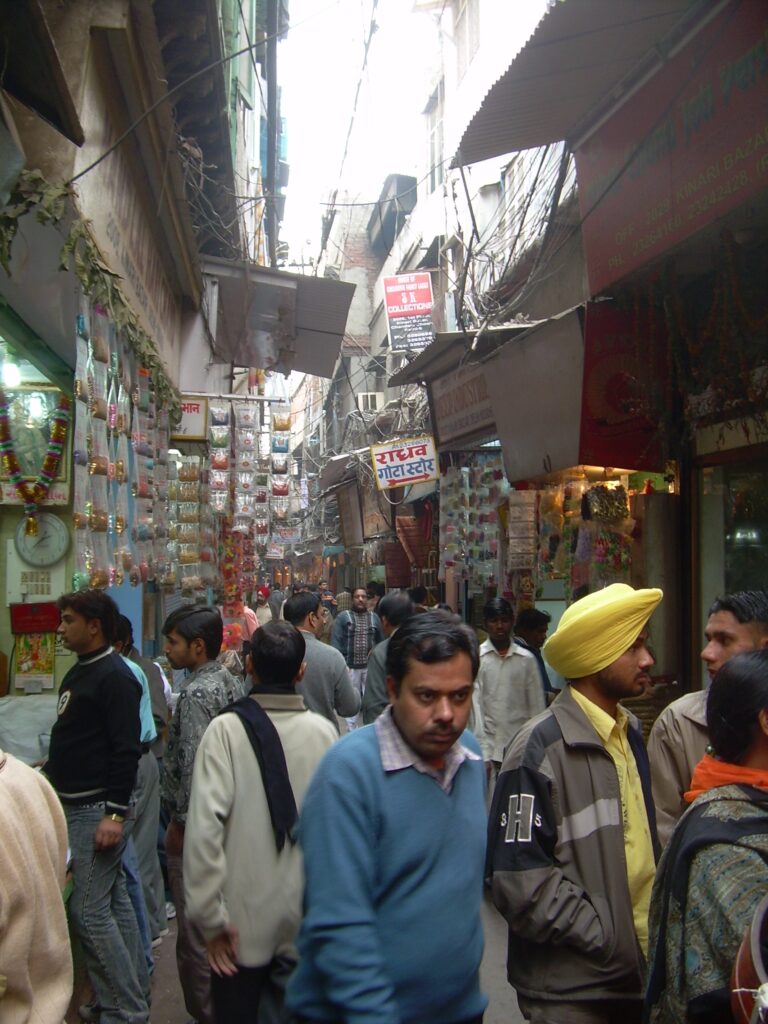
Pickpocketing capitals: Paris Métro line 1 + Champs-Élysées, Rome Termini + Colosseum area, Barcelona Las Ramblas + Sagrada Familia, Madrid Sol + Atocha, Naples (any area). Be 2x more vigilant.
Common Scams (Don’t Fall for These)
12. The Taxi Scam
“Meter is broken.” “Long way is faster.” “Card machine is broken, pay double in cash.” Solution: Always use Uber, Bolt, Cabify, or Grab — fare is fixed in app. Never accept “broken meter” excuses. If no apps, agree on fare BEFORE entering taxi.
13. The Friendship Bracelet Scam (Paris)
Someone ties a bracelet on your wrist “for free.” Then demands €20-50. Solution: Walk past with arms crossed. Never let strangers touch you.
14. The Free Tour Scam
“Free walking tour.” At the end: aggressive tip pressure. Sometimes also fake guides selling fake attractions. Solution: Use established tour companies (SANDEMANs, Free Tour by Foot). Tip what you’d budget normally.
15. The ATM Scam
“Helpful local” assists at ATM, watches PIN, accomplice steals card later. Solution: Use ATMs at major banks during business hours, inside the bank lobby ideally. Cover PIN entry. Never accept help.
16. Currency Exchange Scams
Airport exchange offices give 8-15% worse rates. Some shortchange you on the count. Solution: Use ATMs at destination. Count cash before leaving the window.
17. Restaurant Bill Padding
Bill includes items you didn’t order. Especially common in Italy, Spain, Greece. Solution: Always review the bill. Take a photo of the menu prices. Ask for itemized receipt.
18. The Wrong Change Scam
You pay with a 100€ note. They give change as if you paid with 50€. Solution: Verbally state denomination when paying: “Here’s 100.” Count change before walking away.
Hotel + Accommodation Safety
19. Use a Door Stopper Alarm ($10)
Slides under hotel door. Screams 120dB if pushed open. Prevents break-ins from people with stolen keys or master cards. I’ve had it activate twice in 50+ countries.
20. Don’t Open Door to Unannounced Staff
Common scam: “Hotel maintenance” knocks late at night to “fix something.” Robs room while you’re distracted. Solution: Call front desk to verify before opening. Real hotel staff are fine being kept waiting.
21. Use the Safe for Documents + Excess Cash
Even budget hotels have safes. Store passport (when not needed), backup credit cards, jewelry, excess cash. Never leave them in your bag.
22. Take Photos of Hotel Hallways + Exits
In case of fire, you need to know exits. 30 seconds of preparation. Especially important in budget hostels with confusing layouts.
Digital + Phone Safety
23. Use a VPN on Public WiFi
Hotel + cafe WiFi networks are unsafe — anyone on the same network can intercept your data. NordVPN, ExpressVPN, or Surfshark cost $3-12/month. Use for banking, email, anything with passwords.
24. Enable Find My iPhone / Find My Device
If phone is lost or stolen, you can remotely wipe data + locate device. Sometimes recovered. Always lock device with PIN/biometric.
25. Don’t Post Real-Time Location on Social Media
Posting “Day 3 of 14 in Bali!” tells thieves your house is empty. Post AFTER you return home. Disable geotagging on photos until you’re back.
Country-Specific Risks (2026)
Higher pickpocketing risk: France, Italy, Spain, Czech Republic, Hungary, Argentina (especially Buenos Aires), Brazil (especially Rio).
Higher scam risk for tourists: Egypt, Morocco, India, Vietnam, Thailand (still very safe, just more aggressive sales tactics).
Very low crime overall: Japan, Singapore, Iceland, Switzerland, Norway, Finland, Denmark, New Zealand, Slovenia, Estonia.
Mixed but generally safe with precautions: Mexico (tourist areas safer than reputation), Colombia (Cartagena + Medellin transformed), Indonesia (Bali + Lombok), Turkey, Greece.
Emergency Preparedness
Memorize 1-2 emergency phone numbers in your destination country. EU universal: 112. US: 911. UK: 999.
Save embassy phone number in phone + on paper. US embassies: usembassy.gov for each country.
Know how to say “help” in local language. Just one word can summon assistance.
Trust your gut. If a situation feels off, leave immediately. You can apologize later if wrong.
FAQ
What’s the most dangerous travel destination for tourists?
Most travel destinations are safer than US cities for tourists. Higher risk areas to AVOID outside tourist zones: Venezuela, Honduras (San Pedro Sula), parts of Mexico (Tamaulipas, Sinaloa border), Afghanistan, Syria, Yemen. Always check State.gov Level 3-4 advisories.
How can I avoid pickpockets in Europe?
Money belt under clothing for passport + extra cards. Single credit card + small cash in day wallet. Phone in front pocket or zippered compartment, never back pocket. Crossbody bag worn in front in crowds. Watch for distraction scams in Paris/Rome/Barcelona tourist sites.
Is solo travel safe for women?
Yes in most destinations. Top countries for solo women travelers: Japan, Iceland, Portugal, Slovenia, Switzerland, Singapore, New Zealand. Use same safety practices: stay in well-reviewed accommodation, avoid walking alone late, dress conservatively in religious destinations.
Should I carry a weapon for self-defense?
No – illegal to bring weapons into most countries. Pepper spray illegal in many destinations. Better protection: situational awareness, money belt, door alarm, vpn, walking confidently.
What apps do I need for travel safety?
STEP (US gov alerts), Uber/Bolt/Grab (taxis), Find My iPhone, VPN (NordVPN/ExpressVPN), bank apps with travel notice, currency converter. Avoid downloading sketchy apps abroad.
How do I respond if I’m pickpocketed or robbed?
Don’t fight back – belongings aren’t worth your safety. Get to a safe place immediately. Call police (112 EU, 911 US). Get police report (needed for insurance + replacing passport). Call your embassy. Cancel cards from your photos/password manager.
Is it safe to use my credit card abroad?
Yes with no-foreign-fee cards (Chase Sapphire Preferred, Capital One Venture). ALWAYS pay in local currency (not USD – that’s the Dynamic Currency Conversion scam adding 5-8%). Use chip + PIN where possible. Set bank travel notices.
Related Travel Guides
- 20 Travel Mistakes to Avoid
- Travel Insurance Complete Guide
- Best VPN for Travel
- Best Credit Cards for Travel
Frequently Asked Questions
Is International Travel safe for tourists?
Like any destination, International Travel requires common-sense precautions. Stay aware of your surroundings, avoid displaying expensive items, and research any areas to avoid before you go.
Is International Travel safe for solo travelers?
Many solo travelers visit International Travel without issues. Standard precautions apply: share your itinerary with someone, stay in well-reviewed accommodation, and trust your instincts about people and places.
What should I be careful about in International Travel?
Common concerns include petty theft in crowded areas, tourist scams, and unfamiliar traffic patterns. Research destination-specific advice and register with your embassy if recommended.
You Might Also Love



Written by
John Morrison is the founder and lead travel writer at Packzup. Over the past decade he has explored destinations across Africa, the Americas, Asia, Europe, the Middle East, and Oceania — always self-funded, never on a press trip.
