
Last updated August 22, 2026 · Editorial policy
Cuba is generally safe for tourists. Like any destination, common-sense precautions apply, but violent crime against travelers is rare. This guide covers the real safety situation in Cuba — no sensationalism, just practical advice based on current conditions and traveler reports.
The Short Answer: Yes, Cuba is generally moderately safe for tourists (7/10). Standard travel precautions apply — watch for petty theft in tourist areas, use licensed transport, and keep valuables secured. Most visitors experience no safety issues.
The Real Safety Picture
Yes, Cuba is safe to visit. The vast majority of travelers have incident-free trips. Standard travel precautions are all you need.
What Actually Goes Wrong in Cuba
The most common issues travelers face: Petty theft, casa particular scams, limited medical facilities, currency confusion, internet limitations.
Important context: most of these risks are avoidable with preparation. Violent crime against tourists is very rare.
How to Stay Safe
Cuba is one of Latin America’s safest countries for violent crime. Use casas particulares recommended by other travelers. Keep an eye on belongings on beaches. Carry enough cash (credit cards often don’t work). Download offline maps. Bring basic medications from home.
Where Not to Go
Very few areas to avoid. Exercise normal precautions in Havana Centro at night. Cuba is remarkably safe overall.
Is Cuba Safe for Solo Female Travelers?
Solo female travelers generally report positive experiences with standard precautions — stay in well-reviewed accommodations, avoid isolated areas after dark, and trust your instincts.
If Something Goes Wrong
Emergency number: 106. Register with your country’s embassy before arrival. Keep digital and physical copies of your passport, insurance, and emergency contacts.
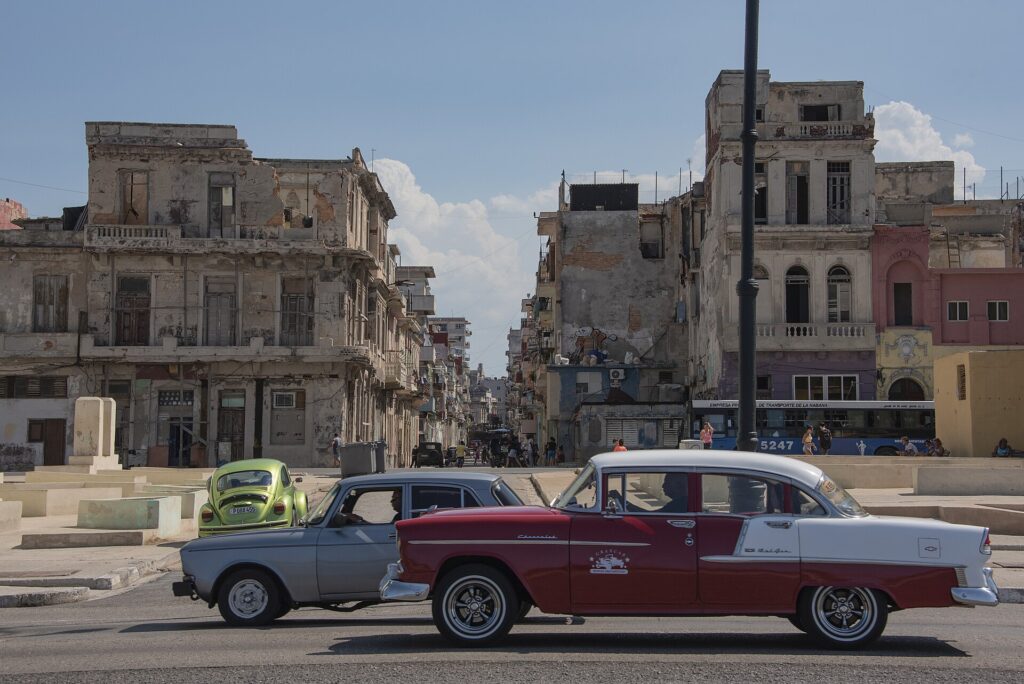
The 2026 Reality: Why Cuba’s Bigger Risk Is Infrastructure, Not Crime
The bigger safety story for 2026 is not street crime, it is infrastructure. The U.S. State Department keeps Cuba at Level 2, Exercise Increased Caution, citing both crime and an unreliable power supply. That second part is the real shift. Amid a deepening fuel crisis, some areas have seen rolling blackouts of around 20 to 22 hours a day, and a March grid collapse cut national power for more than a day. Air Canada suspended its Cuba flights on 9 February, and by mid-June foreign visitor numbers had fallen roughly 58 percent, so resort staffing and ground transport are thinner than the brochures suggest. Pack as if you are your own safety net. Cuban pharmacies are missing most basic medicines, so bring every prescription you need plus a stocked first-aid kit.
For petty crime, the State Department specifically flags Habana Vieja, Playas del Este, and Varadero for property theft. One Italian visitor was recently overcharged about 6,000 pesos for a short Old Havana bicitaxi ride. Solo women and anyone moving after dark should pre-book a licensed taxi rather than flag a street car.
Bottom line: violent crime stays low, but the traveler who lands unprepared for power and medical shortages is the one who gets caught out.
FAQ
Is Cuba safe for tourists in 2026?
Yes, Cuba is safe to visit. The vast majority of travelers have incident-free trips. Standard travel precautions are all you need.
What are the main safety concerns in Cuba?
Petty theft, casa particular scams, limited medical facilities, currency confusion, internet limitations.
What areas should tourists avoid in Cuba?
Very few areas to avoid. Exercise normal precautions in Havana Centro at night. Cuba is remarkably safe overall.
Planning the trip? Start with things to do in Cuba.
You Might Also Love



Written by
John Morrison is the founder and lead travel writer at Packzup. Over the past decade he has explored destinations across Africa, the Americas, Asia, Europe, the Middle East, and Oceania — always self-funded, never on a press trip.
Good to know: staying healthy abroad starts with the water — see where the tap water is safe to drink, and dodge the classics with travel scams by country.
Checking other destinations? Is the Dominican Republic safe? · Is Egypt safe? · Is India safe? · Is Indonesia safe?
