
Last updated September 12, 2026 · Editorial policy
Quick answer: Yes — Iceland is one of the most expensive countries in the world to visit. Budget travellers still spend $120–220 a day and mid-range $200–350. The big costs are accommodation, eating out, alcohol and tours; the good news is that Iceland’s greatest attractions — its waterfalls, geysers and landscapes — are completely free.
More: When to visit Iceland · Iceland travel guide
What things cost in Iceland
| Item | Typical cost |
|---|---|
| Hostel dorm | $45–70 |
| Guesthouse / hotel | $120–250+ |
| Restaurant main | $25–40 |
| Beer | $9–13 |
| Rental car / day | $60–120 + fuel |
| Blue Lagoon entry | $60–100 |
Why Iceland is so expensive
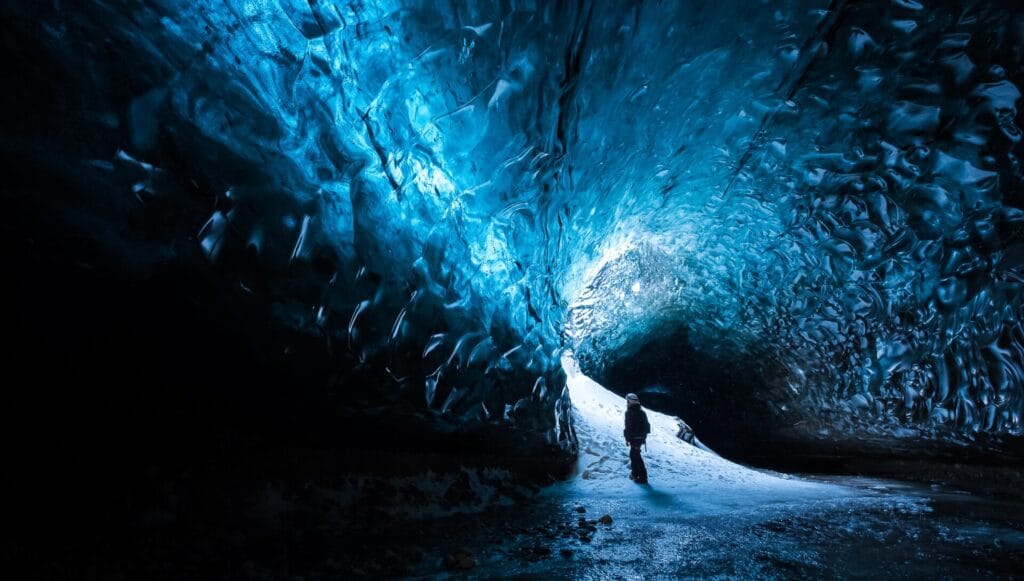
It’s a small, remote island that imports most goods, has high wages and taxes, and sees huge tourist demand against limited accommodation. Alcohol is heavily taxed, and anything involving guides, boats or vehicles (whale watching, glacier hikes, ice caves) carries a premium.
Daily budgets
Budget ($120–220/day): camping or hostels, self-catering, a shared rental car, free nature. Mid-range ($200–350): guesthouses, some restaurant meals and one or two paid tours. Comfort ($450+): hotels, dining out and guided excursions.
How to visit Iceland cheaply
The savings are real if you plan: camp or use a campervan (combines lodging and transport), self-cater from Bonus and Krónan supermarkets (the single biggest saving), share a rental car for the Ring Road, drink the superb free tap water, and fill your itinerary with free natural sights — the waterfalls, black-sand beaches, geysers and hikes cost nothing. Visit in the shoulder season (May or September) for lower prices.
How it compares
Iceland sits alongside Switzerland and Norway as among the priciest destinations on earth — noticeably more expensive than the rest of Europe, especially for eating and drinking out.
Where the money actually leaks: the rental trap and the swaps locals use
Here’s the part nobody tells you: Iceland runs on two price tiers, and tourists almost always pay the upper one by accident. The damage isn’t dinner — it’s the rental car desk. Standard CDW leaves you exposed, so they upsell Gravel Protection (about €13.55/day) and Sand & Ash Protection (another ~€13.55/day). Skip SAAP and a single ash or grit storm can cost you 500,000–1,500,000 ISK out of pocket. On a 10-day trip those two add-ons quietly add ~$300. Worse, F-roads need a 4×4 and cover no river crossings, so a 2WD on one voids everything.
Fix it on arrival: skip the $30 Flybus and take Strætó route 55 from Keflavík for 1,960 ISK instead of 3,999.
Then eat on the lower tier. Reykjavík’s good kitchens run weekday lunch specials (11:30–14:00) at 2,000–3,500 ISK for the same plate that’s $40 at dinner. Svarta Kaffið’s soup-in-a-bread-bowl is 1,950 ISK and is genuinely a meal. A Bæjarins Beztu hot dog is 800–900 ISK; gas-station pylsur on the Ring Road run the same.
And the swap that matters most: skip the $80 Blue Lagoon. Sundhöllin, Reykjavík’s geothermal city pool, is 1,430 ISK with hot pots locals actually use. Bring your own supermarket bag — they charge for those too.
Frequently asked questions
Is Iceland very expensive?
How much do you need per day in Iceland?
How can I do Iceland cheaply?
Plan with our Iceland on a budget, Iceland itinerary and Iceland weather.
You Might Also Love

Written by
John Morrison is the founder and lead travel writer at Packzup. Over the past decade he has explored destinations across Africa, the Americas, Asia, Europe, the Middle East, and Oceania — always self-funded, never on a press trip.
