
Last updated September 3, 2026 · Editorial policy
Quick answer: The best time to visit Iceland is June, July, August (touring) · September–March (Northern Lights). The peak season is July (warmest, all roads open, busiest), and the months most worth avoiding are Nothing is truly “bad” — but November–February is cold, dark and stormy.
Iceland is cool all year — summer highs are only 12–15°C (54–59°F) and winters hover near freezing. The real story is daylight: near-24-hour light in June–July versus just 4–5 hours in December. Summer (June–August) is best for road trips and the Highlands; winter is the season for Northern Lights.
Iceland Weather by Month (Temperatures & What to Expect)
| Month | Avg High | Avg Low | Rain/Snow | Crowds | Verdict |
|---|---|---|---|---|---|
| January | 2°C / 36°F | -2°C / 28°F | Wet | Med | Shoulder — Cold, dark, stormy; strong Northern Lights odds. |
| February | 3°C / 37°F | -2°C / 28°F | Wet | Med | Shoulder — Still wintry; good aurora, lengthening days. |
| March | 4°C / 39°F | -1°C / 30°F | Wet | Med | Shoulder — Late winter; aurora season ends; roads icy. |
| April | 7°C / 45°F | 1°C / 34°F | Light | Med | Good — Spring; days lengthen fast, fewer crowds. |
| May | 10°C / 50°F | 4°C / 39°F | Light | Med | Great — Mild, green, long days, great value before peak. |
| June | 13°C / 55°F | 7°C / 45°F | Light | High | Best — Midnight sun, all roads opening — superb touring. |
| July | 15°C / 59°F | 8°C / 46°F | Light | High | Best — Warmest, 20+ hours daylight, peak crowds. |
| August | 14°C / 57°F | 8°C / 46°F | Light | High | Best — Warm(ish), Highlands open, berries — excellent. |
| September | 11°C / 52°F | 5°C / 41°F | Wet | Med | Great — Crowds drop, aurora returns late month. Sweet spot. |
| October | 7°C / 45°F | 2°C / 36°F | Wet | Med | Good — Cooler, fewer tourists, strong Northern Lights. |
| November | 3°C / 37°F | -1°C / 30°F | Wet | Low | Shoulder — Cold, dark, stormy; prime aurora, low prices. |
| December | 2°C / 36°F | -2°C / 28°F | Wet | Med | Shoulder — Coldest, darkest; festive, excellent aurora odds. |
Best Time to Visit Iceland
If your priority is the best balance of weather, value and manageable crowds, target June, July, August (touring) · September–March (Northern Lights). The table above breaks down every month so you can match the season to your trip.
Iceland Weather in July
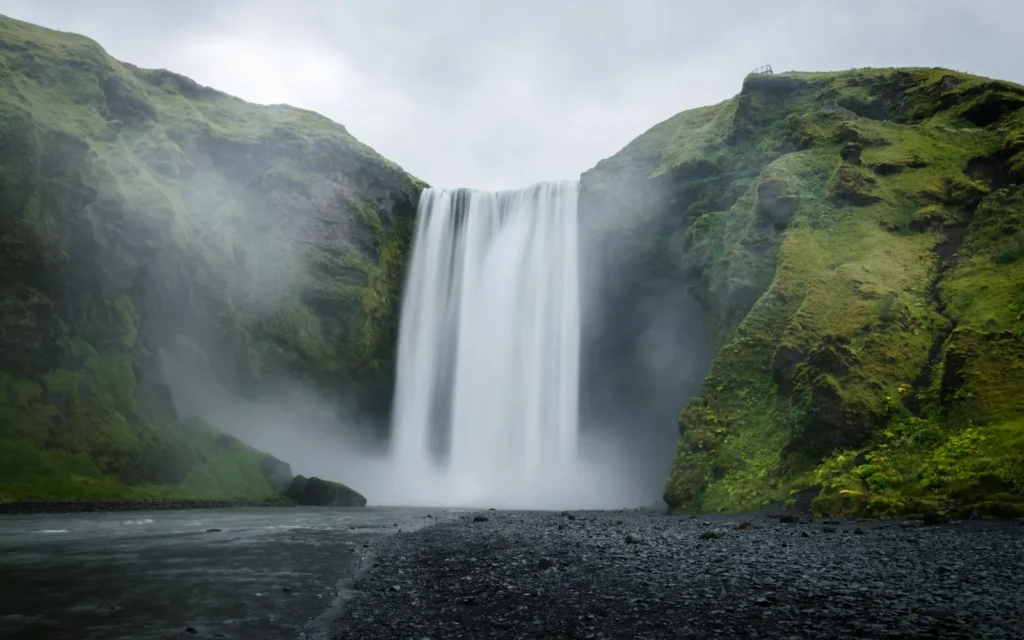
July is Iceland’s warmest month (around 13–15°C / 55–59°F) with up to 21 hours of daylight, every road and Highland route open, and puffins on the cliffs. It is peak season, so book cars and hotels months ahead and expect higher prices.
Iceland Weather in September
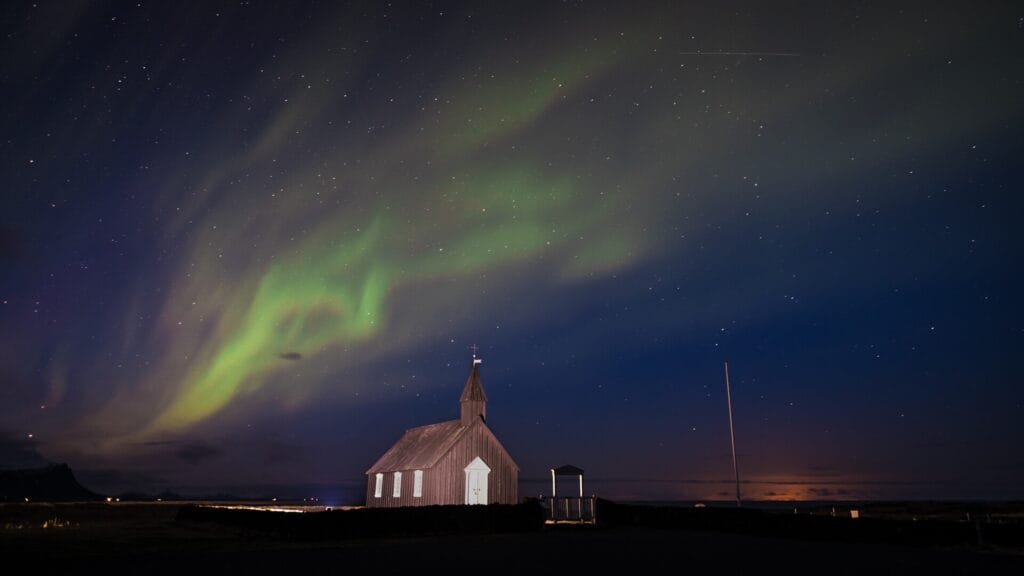
September is a smart compromise: summer crowds and prices fall, the weather is still tour-friendly, and the Northern Lights return as the nights darken from mid-month. Highland roads start closing late September.
The Sweet Spot Is Late August to Mid-September (Not Just “Summer”)
Most month guides hand you the obvious peak window and stop there. The smarter play is the overlap that opens in the last days of August and runs through mid-September, because it is the only stretch that delivers three things at once: the Highland F-roads are still open, astronomical darkness has returned, and shoulder-season prices have dropped below the June-to-August ceiling. From late May to early August the sun barely sets, so true aurora hunting is impossible no matter how clear the sky; darkness only comes back around mid-to-late August, while September still keeps roughly 13 hours of daylight for driving the Ring Road. That is a genuinely rare combination.
How the rest of the calendar actually performs:
- Peak (mid-June to mid-August): warmest, midnight sun, lupine fields at their best around late June, but the busiest and priciest window.
- Late August to mid-September: aurora back, F-roads still open, fewer crowds, lower rates.
- Avoid late November through December: only about four to five hours of light, sudden blizzards, and Highland F-roads shut entirely.
If you want both Highland access and northern lights on one trip, that early-autumn seam is the answer.
Frequently Asked Questions
When is the best time to visit Iceland?
June–August for road trips, the Highlands and midnight sun; late September–March for the Northern Lights.
Can you see the Northern Lights in summer?
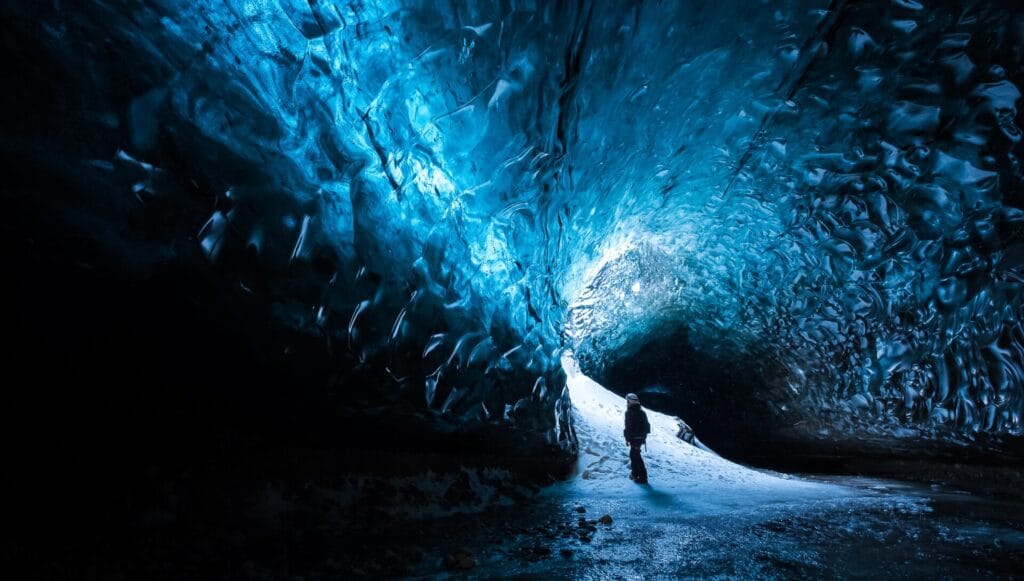
No. The sky never gets dark enough between late April and late August. Aurora season runs roughly September to early April.
How cold does Iceland get?
Less extreme than its name suggests. Summer highs are 12–15°C; winter lows near the coast are around -2 to 2°C, though wind makes it feel colder.
Is one week enough for Iceland?
Yes — a week is enough to drive the full Ring Road in summer. In winter, focus on the south coast and Reykjavík as daylight and road conditions are limited.
Looking for a recommendation, not just data? See our best time to visit Iceland guide.
You Might Also Love


Written by
John Morrison is the founder and lead travel writer at Packzup. Over the past decade he has explored destinations across Africa, the Americas, Asia, Europe, the Middle East, and Oceania — always self-funded, never on a press trip.
