Honest verdict · Updated 2026 · No sponsorships
Is Istanbul Worth Visiting? An Honest Verdict
“Yes, emphatically. Istanbul out-delivers almost any city on earth, provided you escape the Sultanahmet tourist bubble by day two.”
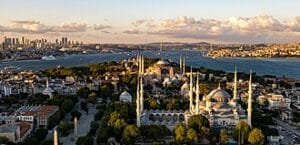
The short answer: Istanbul is worth visiting by almost any measure: nowhere else stacks Byzantine and Ottoman capitals under working mosque domes while commuter ferries carry you between Europe and Asia for less than a euro. The caveats are real, though: lira inflation has ended the bargain era and the big monuments now charge foreigners in euros, the taxi system is genuinely dysfunctional, and Sultanahmet has hardened into a zone of touts and mediocre restaurants coasting on foot traffic. Plan five days, sleep in Beyoglu or Kadikoy rather than beside the Blue Mosque, and budget properly for tickets.
More: When to visit Istanbul · Istanbul travel guide
Who Istanbul is for — and who it is not
Worth it if you are
- Food-driven travelers: One of the world's great eating cities at every price point: a sprawling kahvalti breakfast, balik ekmek from the boats at Eminonu, esnaf lokantasi steam-tray lunches, Anatolian regional cooking at Ciya Sofrasi in Kadikoy, and meyhane nights of meze and raki. You can eat seriously well for a week without repeating a category, and the cheap end is often the best end.
- History and empire obsessives: Hagia Sophia, Topkapi, the Basilica Cistern, and Sinan's Suleymaniye sit within walking distance of each other, with the Theodosian land walls a short tram ride west. No other city lets you move through roughly 1,500 years of two empires' capital in a single day on foot.
- City people who love density and street life: Istanbul is 15-plus million people on steep hills, and it shifts fast: ten minutes on foot takes you from the hardware and tool wholesalers of Karakoy to the antique shops of Cukurcuma. If your favorite trips were Mexico City or Cairo rather than a quiet countryside, this is your place.
- Travelers wanting imperial-scale grandeur without Western European hotel prices: Despite inflation, local food, transit, and mid-range hotels still undercut Paris or Rome. The ferries cost small change, most working mosques are free to enter, and walking Balat or the Kadikoy market costs nothing at all.
- Photographers and aimless wanderers: Bosphorus light, the minaret skyline from Galata Bridge at dusk, fishermen lining the rails, the faded painted houses of Balat, and the tea gardens along the Moda shore reward people who drift rather than tick boxes.
Think twice if you are
- Anyone wanting a relaxing trip: Istanbul is exhausting: hilly, loud, crowded, and enormous, with cross-town journeys that routinely eat an hour or more. If you want to decompress, pair it with the Turkish coast or pick somewhere else entirely.
- Travelers with limited mobility: Steep hills, broken pavements, cobblestones, the stair-streets around Galata, packed trams, and older buildings without elevators make the historic core hard work. The metro is reasonably accessible; the street-level reality is not.
- People allergic to hustle and haggling: Sultanahmet and the Grand Bazaar come with persistent carpet-shop touts and restaurant hawkers, and taxi drivers refusing the meter is a citywide problem locals themselves complain about. If that dynamic sours a trip for you, it will grate here daily.
- Bar-crawl and clubbing trips: Nightlife exists in Beyoglu and Kadikoy, but punishing alcohol taxes mean bar drinks cost close to Western European money while nothing else does, and much of the city's evening culture runs on tea, meze, and long conversation rather than clubs.
The reality check
What it costs
No longer the bargain it was: years of lira inflation mean hotels and headline sights now price in euros for foreigners. Hagia Sophia introduced a foreigner entry fee of about 25 euros in 2024 and prices have only moved upward; a combined Topkapi ticket with the Harem costs roughly double that. Local eating, street food, and transit stay genuinely cheap – load an Istanbulkart and most rides cost well under a euro. Budget travelers can manage on very roughly 40-60 USD a day plus lodging; mid-range comfort with hotel runs more like 120-200 USD. Alcohol is the outlier, taxed hard enough to sting.
Crowds
Sultanahmet (Hagia Sophia, Blue Mosque, Topkapi, Basilica Cistern) is packed from mid-morning to late afternoon most of the year, worst June through August and during Ramadan and Kurban holiday weeks when domestic travel spikes; go at opening or book ahead online. The Grand Bazaar is always busy and closed on Sundays; Istiklal Caddesi is busy every day. Cross to Kadikoy, Moda, Balat, or Fener and the tour groups largely vanish.
Time needed
Three full days is the honest minimum: one for Sultanahmet's big sights, one for Beyoglu, Galata, and the bazaars, one for the Asian side. Five to six days is the ideal, adding Balat and Fener, a long ferry day, and unhurried eating. Factor in that both airports are far out – an hour or more each way to the center – so a one-day layover shows you monuments, not the city.
When to go
April-May and mid-September through October: mild walking weather, the tulip plantings in Emirgan Park and around Sultanahmet in April, and thinner crowds than summer. July and August bring humid low-to-mid 30s C heat and peak tourism. Winter is grey, rainy, and cheap, with an atmospheric, locals-only mood if you can live with the drizzle and occasional snow.
What actually justifies the trip
The commuter ferry to Kadikoy
Twenty minutes from Eminonu or Karakoy, tea in hand, seagulls trailing the boat, Europe behind you and Asia ahead – for less than a euro on an Istanbulkart. It is a better Bosphorus experience than most paid cruises, and the two-continent thing stops being a slogan and becomes your commute.
Hagia Sophia
Even with the entry fee and the crowds, standing under a dome that has been a cathedral, a mosque, a museum, and a mosque again across nearly 1,500 years is the densest history hit in the city. Tourists now visit from the upper gallery while the ground floor serves worshippers; go early and accept that you share it with everyone for good reason.
Kadikoy market streets and Moda
The Asian side's produce market, fish stalls, pickle shops, and meyhanes are where everyday Istanbul eats. Ciya Sofrasi alone, reviving Anatolian regional dishes you will rarely find elsewhere in the city, justifies the crossing; the tea gardens on the Moda shore finish the afternoon.
Balat and Fener
The old Greek Orthodox and Jewish quarters along the Golden Horn: steep lanes, faded painted houses, the Ecumenical Patriarchate, laundry strung between buildings. It is gentrifying and Instagram cafes are multiplying on the main lanes, but two streets uphill it is still an unstaged working neighborhood.
Suleymaniye Mosque
Sinan's 16th-century masterpiece gets a fraction of the Blue Mosque's tour groups, and the terrace beside it has the best free view over the Golden Horn. Visiting a working mosque quietly between prayer times, free of charge, is one of the trip's calmest hours.
The honest downsides
- Sultanahmet is a hardened tourist bubble: persistent touts, dual pricing, and restaurants that coast on location. Nearly every first-timer's disappointment with Istanbul traces back to spending the whole trip inside it.
- Taxis are the city's worst recurring hassle. There are famously too few licensed cabs for a city this size, and meter refusals and route games are common enough that locals default to the BiTaksi app or skip taxis entirely. Trams, metro, and ferries are excellent; plan around taxis, not with them.
- Monument pricing has climbed sharply and is set in euros for foreigners: Hagia Sophia, Topkapi with the Harem, and the Basilica Cistern together can approach 100 euros per person, even while street food and transit stay cheap. A full monument itinerary now needs a real budget line.
- The sheer scale wears you down: long distances, steep hills, constant traffic, and airports roughly 40 km out. Trying to cover both continents in a two-day visit leaves people frazzled rather than charmed.
Is Istanbul worth it? FAQ
Is Istanbul safe for tourists?
Broadly yes – violent crime against visitors is rare for a city of 15-plus million. The practical risks are pickpocketing in crowded spots like the T1 tram, Istiklal, and the bazaars, taxi overcharging, and a long-running bar scam around Taksim targeting solo men invited out for drinks by friendly strangers. Political demonstrations happen occasionally, mostly around Taksim; steer clear of them and apply normal big-city habits.
Can non-Muslims visit the mosques, and what should I wear?
Yes. Working mosques including the Blue Mosque and Suleymaniye welcome visitors outside the five daily prayer times, free of charge. Cover shoulders and knees, remove shoes at the door, and women should cover their hair – scarves are usually available at the entrance. Hagia Sophia is the exception: since 2024 foreign visitors pay for entry and tour from the gallery level while the ground floor is reserved for prayer.
Is Istanbul cheap right now given the lira situation?
Cheaper than Western Europe, but the weak lira no longer translates into a windfall: hotels and headline attractions price in euros for foreigners, and alcohol is heavily taxed. Where you still win big: transit on an Istanbulkart, street food, lokanta meals, tea, and ferries, all of which remain genuinely inexpensive. Assume the monuments cost real money and everything between them costs little.
Which neighborhood should I stay in?
Sultanahmet puts you in walking distance of the big monuments but is touristy, dead at night, and light sleepers should know hotels there sit between major mosques with a pre-dawn call to prayer. Beyoglu, Galata, and Karakoy offer the best balance of sights, food, and evening life for first-timers, at the cost of hills and stairs. Kadikoy on the Asian side is the pick for local rhythm and eating, with a 20-minute ferry to the sights.
Decided? Plan it properly
Start with the full Istanbul travel guide, follow the Istanbul itinerary, pick your month with the best time to visit, budget it with real cost data, browse things to do, eat well with the food guide. Before any trip: etiquette, ATM fees and what to wear.
You Might Also Love

Wondering about safety? Read the honest answer: Is Istanbul safe in 2026?
Weighing other trips? Is Sri Lanka worth visiting? · Is Barcelona worth visiting? · Is India worth visiting? · Is Bangkok worth visiting?