
Last updated August 22, 2026 · Editorial policy
Peru requires moderate caution. It’s safe for travelers who do their homework and stay in well-traveled areas, but awareness of local risks is important. This guide covers the real safety situation in Peru — no sensationalism, just practical advice based on current conditions and traveler reports.
The Short Answer: Yes, Peru is generally moderately safe for tourists (7/10). Standard travel precautions apply — watch for petty theft in tourist areas, use licensed transport, and keep valuables secured. Most visitors experience no safety issues.
More: When to visit Peru · Peru travel guide
Safety at a Glance
Yes, but do your research. Peru is safe when you stick to tourist areas, use common sense, and follow the tips below.
The Main Risks (Ranked) in Peru
The most common issues travelers face: Altitude sickness, petty theft in markets, taxi robbery, protest roadblocks, express kidnapping in Lima.
Important context: most of these risks are avoidable with preparation. Violent crime against tourists is uncommon in tourist areas.
Smart Precautions
Continue planning your Peru trip
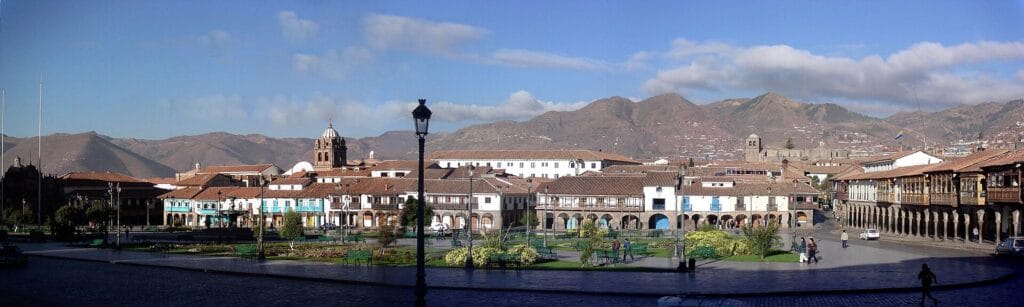
Acclimatize properly in Cusco (2-3 days). Use registered taxis or Uber. Keep valuables hidden in markets. Don’t flash cameras in crowds. Check for protest activity before road trips. Carry altitude sickness medication.
Places to Avoid
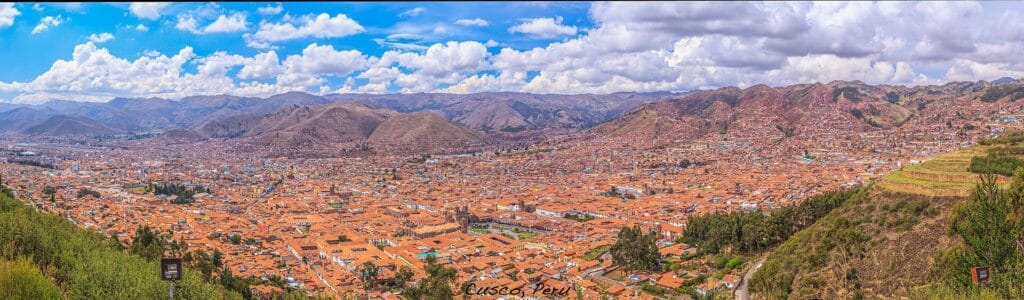
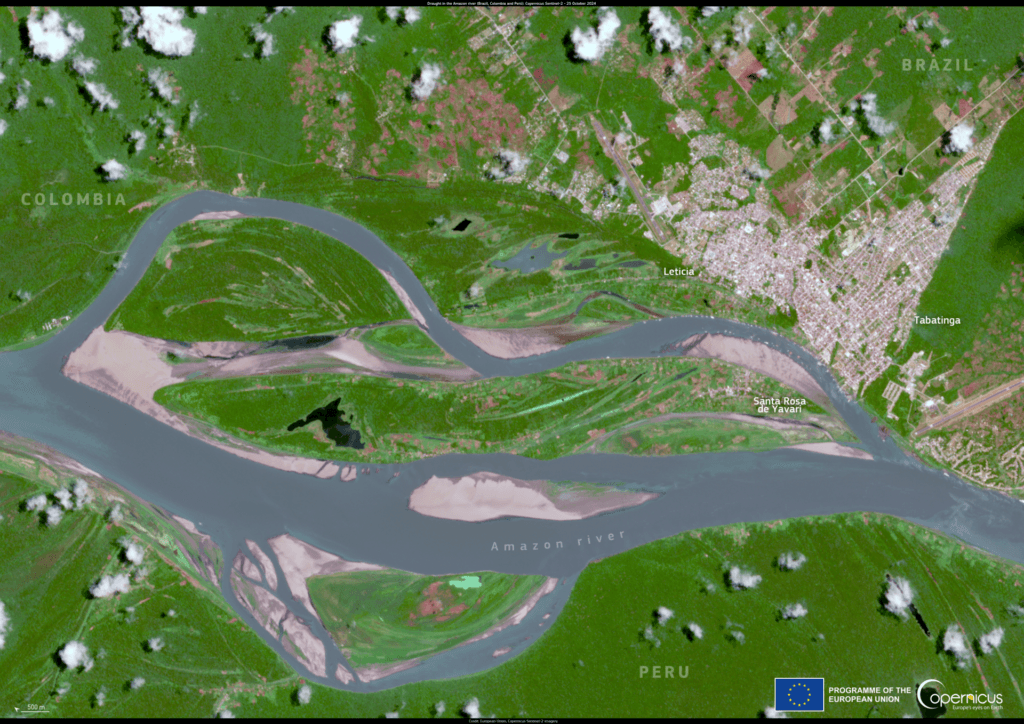
Ayacucho/VRAEM region, Colombia border areas, some parts of Callao. Lima tourist areas, Cusco, Sacred Valley are safe.
Is Peru Safe for Solo Female Travelers?
Solo female travelers should take extra precautions: stay in well-reviewed accommodations, avoid walking alone after dark, dress modestly in conservative areas, and consider joining group tours for remote destinations.
In an Emergency
Emergency number: 105. Register with your country’s embassy before arrival. Keep digital and physical copies of your passport, insurance, and emergency contacts.
The Lima Arrival Test: Where Peru’s Real Risk Actually Lives
The genuine risk for a Peru trip is rarely the headline VRAEM zone, which sits far from any tourist route. It is the ordinary arrival logistics in Lima. The brand-new Jorge Chavez terminal opened in Callao on June 1, 2025, roughly 17 km from Miraflores, and the touts working arrivals are pushy. Ignore anyone who walks up to you inside the hall and instead pick one of these:
- Book a Cabify or InDriver ride before you step outside.
- Use the airport’s official Taxi Green stand inside the terminal.
- Take the Lima Airport Express shuttle, which runs direct to Miraflores, San Isidro and Barranco.
A standard fare to Miraflores sits around S/40-55, so a quoted S/80-100, or a curbside switch to ‘you said dollars, not soles,’ is the con. Phone-snatching by passing motorcyclists is a daily occurrence around the Plaza de Armas in the Historic Centre, so keep your phone pocketed there. Base yourself in Miraflores, San Isidro or Barranco and the city is manageable. The other live concern is timing: anti-government protests flared from September 2025, Lima sat under a state of emergency from late October 2025, and transport strikes recur. Check the US Embassy Lima alerts within a week of travel, because road and rail toward Cusco can close with little notice.
FAQ
Is Peru safe for tourists in 2026?
Yes, but do your research. Peru is safe when you stick to tourist areas, use common sense, and follow the tips below.
What are the main safety concerns in Peru?
Altitude sickness, petty theft in markets, taxi robbery, protest roadblocks, express kidnapping in Lima.
What areas should tourists avoid in Peru?
Ayacucho/VRAEM region, Colombia border areas, some parts of Callao. Lima tourist areas, Cusco, Sacred Valley are safe.
More Peru Travel Guides
Peru Budget Guide · Peru in June · Peru in July
You Might Also Love




Written by
John Morrison is the founder and lead travel writer at Packzup. Over the past decade he has explored destinations across Africa, the Americas, Asia, Europe, the Middle East, and Oceania — always self-funded, never on a press trip.
Good to know: staying healthy abroad starts with the water — see where the tap water is safe to drink, and dodge the classics with travel scams by country.
Checking other destinations? Is the Philippines safe? · Is Rome safe? · Is South Africa safe? · Is Sri Lanka safe?
