Last updated August 21, 2026 · Editorial policy
- 7-Day Vietnam Itinerary: A Day-by-Day Travel Plan
- Vietnam Itinerary at a Glance
- Day-by-Day Itinerary
- Where to Stay in Vietnam
- Budget Breakdown (7 Days)
- What to Pack
- Tips for a 7-Day Vietnam Trip
- Vietnam in 7 days: logistics, budget & pro tips
- Routing Traps That Quietly Eat a Day of Your Week
- 7 Day Vietnam Itinerary FAQ
- Frequently Asked Questions
- Related Vietnam Travel Guides
Vietnam itineraries by trip length
Still deciding? Compare: Sri Lanka vs Vietnam · Vietnam vs Thailand
7-Day Vietnam Itinerary: A Day-by-Day Travel Plan
Quick answer: This 7-day Vietnam itinerary covers the must-see highlights without rushing, with detailed day-by-day plans, restaurant recommendations, and budget guidance.
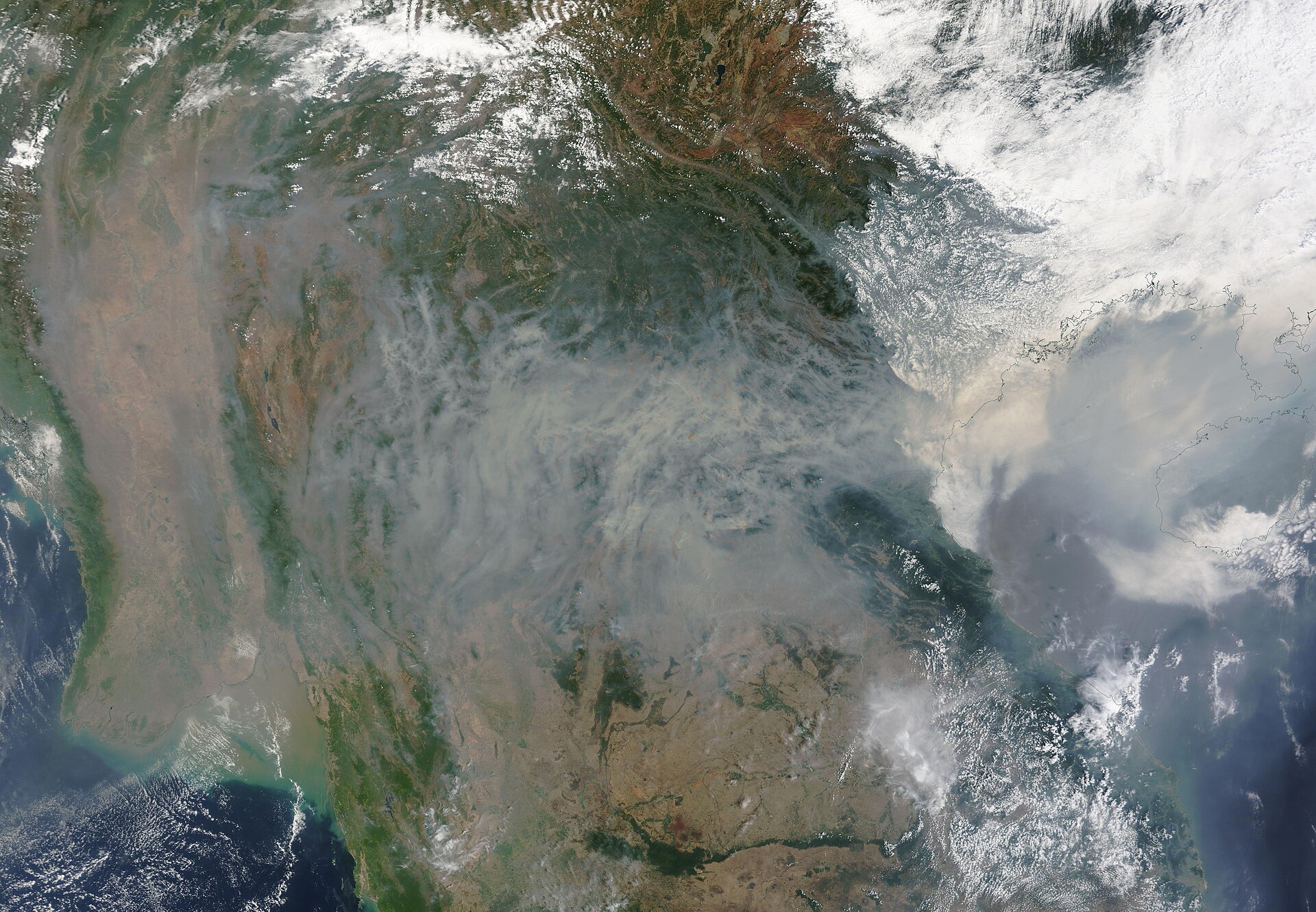
Best for: First-time visitors who want to maximize sightseeing while still tasting local culture.
Planning a 7-day trip to Vietnam? This itinerary is built from a first-time-visitor perspective: hit the icons, eat the best food, and finish with one or two memorable experiences locals would recommend. Each day mixes a major sight, food stops, and downtime — no death marches, no missing highlights.
Vietnam Itinerary at a Glance
| Day | Focus |
|---|---|
| Day 1 | Hanoi Old Quarter |
| Day 2 | Ninh Binh Day Trip |
| Day 3 | Halong Bay Cruise |
| Day 4 | Cruise to Hoi An |
| Day 5 | Hoi An & My Son |
| Day 6 | Saigon History |
| Day 7 | Cu Chi & Mekong |
Day-by-Day Itinerary
Day 1 — Hanoi Old Quarter
Land at Noi Bai International Airport and take a Grab or metered taxi (roughly 350,000–450,000 VND, about $14–18) the 45 minutes into the Old Quarter. Drop your bags, then wander the 36 ancient trade streets on foot — each still named for its old guild, from Hang Bac (silver) to Hang Ma (paper offerings). Circle Hoan Kiem Lake at dusk to see the red-lacquered Huc Bridge and Ngoc Son Temple (entry about 30,000 VND, roughly $1.20). For dinner, hunt down a bowl of bun cha, the grilled-pork-and-noodle dish Anthony Bourdain famously ate here — expect to pay around 50,000–70,000 VND, about $2–3. Insider tip: cross the chaotic streets slowly and steadily without stopping; the motorbikes are trained to flow around a predictable pedestrian, and freezing mid-road is what causes accidents.
Day 2 — Ninh Binh Day Trip
Rise early for a full day in Ninh Binh, often called “Halong Bay on land” for its limestone karsts rising from emerald rice paddies. The easiest route is a morning train from Hanoi station (about 2 hours 10 minutes, tickets roughly 100,000–250,000 VND, about $4–10) or a booked car-and-guide day tour. Spend the afternoon on a rower-powered sampan through Trang An, the UNESCO-listed grottoes where boats glide through flooded caves and past cliffside temples (ticket about 250,000 VND, roughly $10, for a 2–3 hour route). If you have energy, climb the 500 stone steps at nearby Hang Mua for the postcard view over the Tam Coc river bend. Insider tip: choose the Trang An route over Tam Coc if you want the film locations from Kong: Skull Island, and always tip your rower a little — they earn very little per boat.
Day 3 — Halong Bay Cruise
Check out and transfer to Halong Bay for an overnight cruise, the highlight of any northern trip. Most cruises send a shuttle from Hanoi around 8:00–9:00 AM for the 2.5–3 hour drive to the harbour, with boarding near midday. A two-day, one-night cruise typically runs about $110–250 per person depending on the boat, including cabin, all meals, and activities. Once aboard, sail among the thousands of forested limestone islands, kayak or take a bamboo boat into a hidden lagoon, and visit a sea cave like Sung Sot (Surprise Cave). Sunset from the sundeck with a Vietnamese spring-roll cooking demo is a classic moment. Insider tip: for calmer water and fewer boats, ask specifically for a route through Lan Ha Bay or Bai Tu Long Bay rather than the crowded central Halong core.
Day 4 — Cruise to Hoi An
Wake for tai chi on the deck as the karsts catch the morning light, then enjoy brunch as the boat cruises back to harbour, usually disembarking around 11:00 AM. The shuttle returns you to Hanoi by mid-afternoon — time it so you can catch an evening domestic flight from Noi Bai to Da Nang (about 1 hour 25 minutes; budget carriers like VietJet or Bamboo often run $40–70 one way if booked ahead). From Da Nang airport, it is a 40-minute taxi or Grab (roughly 350,000–450,000 VND, about $14–18) south to Hoi An. Arrive after dark to see the Ancient Town at its most magical, strung with thousands of silk lanterns reflected in the Thu Bon River. Insider tip: build slack into this day — if the cruise runs late, book a next-morning flight instead, as missing the last Da Nang service is a real risk.
Day 5 — Hoi An & My Son
Spend the morning cool and early in Hoi An Ancient Town, a UNESCO-listed former trading port. A 120,000 VND ticket (about $5) covers entry to five heritage sites, including the 18th-century Japanese Covered Bridge and the ornate Fujian Assembly Hall. This is the place to visit a tailor — a custom shirt or dress can be measured, made, and delivered within a day. In the afternoon, drive about an hour inland to My Son Sanctuary, the brick temple ruins of the ancient Champa kingdom (open 7:30 AM–5:30 PM; entry 150,000 VND, roughly $6). For lunch, try Hoi An’s signature cao lau, thick noodles said to use water from a specific local well — around 40,000–60,000 VND, about $2. Insider tip: visit My Son at opening or late afternoon to dodge both the tour-bus crowds and the fierce midday heat among the unshaded ruins.
Day 6 — Saigon History
Transfer back to Da Nang airport for a morning flight south to Ho Chi Minh City (still widely called Saigon; about 1 hour 20 minutes, fares often $40–70). Base yourself in District 1 and spend the afternoon on the city’s wartime and colonial history. The War Remnants Museum (open daily 7:30 AM–5:30 PM; entry about 40,000 VND, roughly $1.60) is sobering but essential. Nearby stand the Reunification Palace, frozen in its 1975 state, and the French-built Notre-Dame Cathedral and ochre Central Post Office. As night falls, ride to a rooftop bar on Nguyen Hue walking street for skyline views. Insider tip: for the best egg coffee and street energy, skip the tourist restaurants and eat a banh mi from a busy sidewalk cart — a legendary sandwich costs around 25,000–40,000 VND, about $1–1.60.
Day 7 — Cu Chi & Mekong
Use your final day for one of two classic Saigon excursions, both bookable as half- or full-day tours. Option one is the Cu Chi Tunnels, about 60 km northwest (roughly 1.5 hours each way; Ben Dinh entry about 110,000 VND, roughly $4.40), where you can crawl through a widened section of the vast Viet Cong tunnel network and hear how villagers lived underground. Option two heads southwest to the Mekong Delta around My Tho and Ben Tre, cruising by motorboat and rowed sampan through coconut-lined canals, tasting tropical fruit and honey tea (full-day small-group tours commonly run $30–60 including lunch). Either way, return to the city by evening for a last bowl of pho. Insider tip: pick Cu Chi if you love history and the delta if you want scenery and slower village life — doing both in one day means too many hours in the car.
Where to Stay in Vietnam
Choose a central neighborhood within walking distance of major sights — you’ll save hours of commute time over 7 days. Book 6-12 weeks ahead for best rates.
Budget Breakdown (7 Days)
Vietnam is rated Budget-friendly in our Travel Cost Index 2026. Figures are country-level daily ranges per person and exclude international flights.
| Travel style | Per day | Total 7 days |
|---|---|---|
| Budget | $12-25 | $84-175 |
| Mid-range | $45-90 | $315-630 |
| Luxury | $180-350 | $1,260-2,450 |
Source: Packzup Travel Cost Index 2026 — country-level averages; city and peak-season prices run higher. Excludes international flights.
What to Pack
- Clothing: Lightweight, breathable clothes for heat and humidity, plus a packable rain jacket – downpours can hit any region on this route. Pack shoulder- and knee-covering options for temples, sturdy walking shoes for the Old Quarter, and a light layer for cooler northern evenings.
- Tech: Phone with offline maps downloaded, portable battery, universal adapter.
- Documents: Passport with six months’ validity is the standard requirement. Most visitors need Vietnam’s eVisa arranged online before travel, while some nationalities enter visa-free for short stays – check current rules for your nationality. Carry printed hotel and cruise confirmations for check-ins.
- Money: Vietnam runs on the dong (VND), and cash still rules street stalls, markets, and smaller taxis; cards and the Grab app cover hotels and larger restaurants. City ATMs are plentiful. Tipping is not expected, though small amounts for guides and drivers are appreciated.
- Day bag: Small backpack for daily essentials — water, layer, snacks, sunscreen.
Tips for a 7-Day Vietnam Trip
- Book major attractions ahead: top sights sell out, especially in peak season.
- Build in buffer time: Most Halong Bay cruises board around midday and return late morning, so pad the Day 3–4 transfers. Both domestic flights (Hanoi–Da Nang, Da Nang–Saigon) follow long drives, and Hanoi traffic alone can double a short journey.
- Eat where locals eat: avoid restaurants directly adjacent to major sights.
- Travel insurance: $40-100 for 7 days. Covers medical, theft, cancellations.
- Get a local SIM: $10-30 for the trip. Cheaper than international roaming.
Vietnam in 7 days: logistics, budget & pro tips
Getting around
Vietnam is long — in 7 days, pick the north (Hanoi + Halong Bay + Ninh Binh) OR the center (Hoi An + Da Nang), not the whole country. Use cheap domestic flights to connect if you must.
Budget (2026)
Among the cheapest anywhere: $40–70/day mid-range.
What to skip / common mistakes
Don’t try Hanoi → Hoi An → Saigon in a week — the distances will ruin it. Cross roads slowly and steadily (let the scooters flow), agree taxi fares or use Grab, and eat at busy street stalls.
Best time
Tricky (varied climates) — March–April or October–November are the safest nationwide windows.

Routing Traps That Quietly Eat a Day of Your Week
The schedule looks fine on paper and then a transfer swallows an afternoon. The first trap is the Halong Bay departure clock. Most overnight cruises board around 12:00 to 12:30 PM, so you need to leave Hanoi by roughly 8:00 to 8:30 AM along the Hanoi-Hai Phong (5B) Expressway, which now puts the pier about 2.5 hours away. A Halong day trip looks tempting but leaves only four to five hours actually on the water and misses both sunrise and sunset, so skip it and sleep on the boat.
The second trap is booking a train to Hoi An. There is no station in Hoi An; the nearest railhead is Da Nang, around 30 km and a 40 to 50 minute drive south, so plan a Grab or private car for that last leg rather than assuming a one-seat ride.
- If you add Ninh Binh from Hanoi (about 100 km, roughly a 1.5 hour drive), pick Trang An’s three to three-and-a-half hour boat route over the shorter Tam Coc loop, and go early before the queues build.
- For the long north-to-centre hop, the Hanoi to Da Nang sleeper train runs about 16 hours against a 1.5 hour flight; only take it for the Hai Van Pass coastline, otherwise fly and bank the day.
7 Day Vietnam Itinerary FAQ
Is 7 days enough for Vietnam?
For one region (the north, or the center) — not the whole country.
North or central Vietnam in a week?
North (Hanoi, Halong Bay, Ninh Binh) is the classic 7-day choice.
Frequently Asked Questions
Is 7 days enough for Vietnam?
For first-time visitors, 7 days in Vietnam covers the main highlights without rushing. If you want to add day trips, slower pace, or hidden gems, plan 2-3 more days. 7 days is the minimum to feel you’ve truly seen Vietnam — anything less is a sampler.
How much will a 7-day Vietnam trip cost?
Using the Budget Breakdown table above, drawn from our Travel Cost Index 2026: Budget $12-25/day ($84-175 for 7 days), Mid-range $45-90/day ($315-630 for 7 days), Luxury $180-350/day ($1,260-2,450 for 7 days). Country-level averages, excluding international flights.
What’s the best time to do a 7-day Vietnam itinerary?
Shoulder seasons (just before/after peak) offer the best balance of weather, crowds, and price for Vietnam. Check the destination’s specific best-time guide for exact months. Avoid major local holidays which spike prices and crowd attractions.
How do I get around Vietnam?
Most major destinations have reliable public transit (metro, bus, train). Buy a multi-day transit pass on arrival. For day trips, look into trains or organized day tours. Rideshare apps (Uber, Lyft, Grab, Bolt) work in most major cities — generally safer and cheaper than taxis.
What should I pack for 7 days in Vietnam?
Pack for the season and climate. Layers help in spring/fall. Essentials: comfortable walking shoes (you’ll do 15,000+ steps/day), versatile outfit pieces (mix and match), small day backpack, portable charger, travel insurance documents, copies of passport, local currency for first day.
Should I book hotels or use Airbnb in Vietnam?
For 7-day trips, hotels are usually better: easier check-in, daily housekeeping, no laundry expectations, included breakfast often. Airbnb/apartments make sense for stays of 5+ nights, families, or kitchen-focused travelers. Book central locations to save commute time.
Related Vietnam Travel Guides
- Best Things to Do in Vietnam
- Where to Stay in Vietnam
- Best Food in Vietnam
- Best Time to Visit Vietnam
- Vietnam Trip Cost Breakdown
Best time to visit Vietnam (real climate data)
Best months: January, February, November, December.
Vietnam’s warmest month is June (avg 34°C / 93°F), the coolest is January (low 14°C / 57°F). The wettest is August (423 mm) and the driest is December.
Source: Open-Meteo ERA5 climate normals (2019–2023). See the full month-by-month weather →
You Might Also Love





Written by
John Morrison is the founder and lead travel writer at Packzup. Over the past decade he has explored destinations across Africa, the Americas, Asia, Europe, the Middle East, and Oceania — always self-funded, never on a press trip.
Trip prep: before you travel, plan what to wear, check the tap water, sort your mobile data, and see if it is a cash or card country, and skim local etiquette.