
Last updated September 2, 2026 · Editorial policy
More: When to visit Vietnam · Vietnam travel guide
10 Best Things to Do in Vietnam
Quick answer: The top 10 things to do in Vietnam mix iconic sights, hidden gems, food, and outdoor adventure. Read the full list below — costs and tips included for each.
Vietnam offers far more than the tourist trail suggests. This list balances must-see landmarks with off-the-beaten-path experiences locals recommend. Each activity includes time needed, cost, and the one tip that makes it work. Sequence them based on your trip length — see itinerary suggestions at the bottom.
Top 10 Things to Do in Vietnam
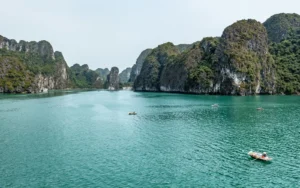
1. Cruise Halong Bay (overnight)
Limestone karsts rising from emerald water. Kayak through caves, sleep on the boat. ~$90-200.
Cost: $90-200
2. Wander Hoi An old town
Yellow walls, lanterns, tailor shops, riverside dining. Book a custom suit ($150-300). Magic at night.
Cost: $5 entry
3. Eat Pho, banh mi, bun cha
Hanoi’s specialty is pho bo. Bun cha is grilled pork over noodles (Obama tried it here). $2-3 per meal.
Cost: Cheap
4. Tour Ho Chi Minh tunnels (Cu Chi)
War history. Viet Cong tunnel network used in Vietnam War. ~75 min from HCMC.
Cost: $10-25 tour
5. Hike Sapa rice terraces
Northwestern mountains. Stay with Hmong family. Best harvest views Sep-Oct.
Cost: $30-60/day
6. Motorbike the Hai Van Pass
Da Nang to Hue. Coastal mountain road. Top Gear’s ‘one of the best in the world.’
Cost: $8-12 bike rental
7. Mekong Delta day trip
Floating market, coconut candy factory. From Ho Chi Minh City. $25-50.
Cost: $25-50
8. Imperial City Hue
Former imperial capital. UNESCO-listed citadel. Pair with DMZ tour ($25-40).
Cost: $8-12
9. Phu Quoc Island beach time
Vietnam’s beach paradise. Best in dry season (Nov-Apr). Vinpearl Safari, night market.
Cost: Varies
10. Ride a sleeper train Hanoi-Hue
Old-school overnight rail journey. Soft sleeper ~$40-50.
Cost: $40-50
Suggested Itineraries
| Trip Length | Recommended Activities |
|---|---|
| 2 days | Activities 1-4 from the list above. Focus on iconic experiences. |
| 3-4 days | Activities 1-7. Add a day trip and food tour. |
| 5-7 days | Full list + 1-2 self-discovered hidden gems. Add downtime. |
| 10+ days | Full list + day trips outside Vietnam + slow days for serendipity. |
Money-Saving Tips
- City pass/combo tickets: Most major destinations sell a multi-attraction pass that saves 20-40% over individual entries.
- Free museum days: Many top museums offer free entry one day per week or month — research before.
- Walking tours: ‘Free’ walking tours (tip-based) cover history and orient you on day 1. Quality varies — check recent reviews.
- Lunch deals: Top restaurants often offer prix-fixe lunches at half the dinner price.
- Public transit pass: Day/multi-day transit passes pay back after 3-4 rides.
What to Skip
- Tourist trap restaurants directly adjacent to major sights — usually overpriced and underwhelming.
- Souvenirs from official gift shops — markets and indie stores offer better quality at half the price.
- Hop-on-hop-off bus full day — useful for orientation (do 1 loop), waste of time as full transport.
- Booked tours for things you can do solo — walking tours of public neighborhoods rarely add value vs. a $5 guidebook.
What Is Actually Worth Your Time in Vietnam
After enough trips, a few honest calls stand out. The most overrated stop is the main Ha Long Bay cruise corridor, where roughly 500 boats can share the water on a busy day and your ‘private’ cove arrives with six other junks. Book a cruise that sails Lan Ha Bay or Bai Tu Long Bay instead. Same limestone karsts and emerald water, a fraction of the traffic, and you can still launch a kayak without queueing.
Near Ho Chi Minh City, most tours dump you at the Ben Dinh section of the Cu Chi Tunnels, which was widened for crowds and sits about 50 km out. Ask for Ben Duoc, roughly 70 km out and far quieter, with rougher original tunnels and mostly local visitors.
The pick people skip is the Ha Giang Loop in the far north. Sapa has its terraced valleys, but the Fansipan cable car and pushy village markets can feel like a theme park; Ha Giang stays raw.
- Smart move: ride the SE Reunification Express from Da Nang to Hue over the Hai Van Pass. The newer Heritage Train runs around 300,000 VND (about USD 13), undercutting a private car for the best coastal views in the country.
Frequently Asked Questions
What are the top things to do in Vietnam?
The essentials for Vietnam include: Cruise Halong Bay (overnight), Wander Hoi An old town, and Eat Pho, banh mi, bun cha. These three alone deserve at least 2-3 days of your itinerary. See the full list above for 7 more recommended experiences.
How many days do I need in Vietnam?
For a focused trip covering the highlights, 3-5 days in Vietnam is enough. To explore in-depth (day trips, hidden gems, slower pace), plan 7-10 days. First-time visitors should err toward more days — you can always slow down, but rushing key sights is regret-inducing.
What can you do in Vietnam for free?
Many of the best experiences in Vietnam cost nothing: walking the historic district, sunset viewpoints, public markets, beaches/parks, free museums on certain days. Build a ‘free day’ into your trip — it’s often the most memorable.
Is Vietnam family-friendly?
Yes — most major attractions in Vietnam suit families. Look for activities under 2 hours, museums with interactive exhibits, and outdoor options to burn kid energy. Avoid extreme heat midday and crowded peak hours. Restaurants in tourist districts are usually kid-friendly.
What’s the best time to do outdoor activities in Vietnam?
Plan outdoor activities for early morning (before heat/crowds) or late afternoon (golden hour for photos). Check weather and seasonal closures — some popular hikes or attractions close in winter or during monsoon/hurricane season.
Are guided tours worth it in Vietnam?
For complex historic sites (ruins, ancient cities, museums with limited English signage), a guided tour pays for itself in context. For wandering and food, self-guided is often better. Read recent reviews — operator quality varies hugely.

Related Vietnam Travel Guides
- Where to Stay in Vietnam
- Best Time to Visit Vietnam
- Best Food in Vietnam
- Vietnam Itinerary Guide
- Vietnam Trip Cost Breakdown
Plan the practical side: Cost of 1 Week in Hanoi Vietnam Americans.
You Might Also Love


Written by
John Morrison is the founder and lead travel writer at Packzup. Over the past decade he has explored destinations across Africa, the Americas, Asia, Europe, the Middle East, and Oceania — always self-funded, never on a press trip.
