
Last updated September 4, 2026 · Editorial policy
- 10-Day Vietnam Itinerary: A Day-by-Day Travel Plan
- Vietnam Itinerary at a Glance
- Day-by-Day Itinerary
- Where to Stay in Vietnam
- Budget Breakdown (10 Days)
- What to Pack
- Tips for a 10-Day Vietnam Trip
- Flying In From the US: The Open-Jaw Trick That Saves a Wasted Day
- Frequently Asked Questions
- Related Vietnam Travel Guides
Vietnam itineraries by trip length
Still deciding? Compare: Sri Lanka vs Vietnam · Vietnam vs Thailand
10-Day Vietnam Itinerary: A Day-by-Day Travel Plan
Quick answer: This 10-day Vietnam itinerary covers the must-see highlights without rushing, with detailed day-by-day plans, restaurant recommendations, and budget guidance.
Best for: first-time visitors who want a fast-paced north-to-south sampler of Hanoi, Ha Long Bay, Hoi An, and Saigon, mixing street food, history, and scenery.
Planning a 10-day trip to Vietnam? This itinerary is built from a first-time-visitor perspective: hit the icons, eat the best food, and finish with one or two memorable experiences locals would recommend. Each day mixes a major sight, food stops, and downtime — no death marches, no missing highlights.
Vietnam Itinerary at a Glance
| Day | Focus |
|---|---|
| Day 1 | Land in Hanoi |
| Day 2 | Old Quarter Deep Dive |
| Day 3 | Ninh Binh Day Trip |
| Day 4 | Lan Ha Bay Cruise |
| Day 5 | Cruise to Hue |
| Day 6 | Imperial Hue |
| Day 7 | Scenic Train to Hoi An |
| Day 8 | Hoi An Old Town |
| Day 9 | Fly South to Saigon |
| Day 10 | Cu Chi & Farewell |
Day-by-Day Itinerary
Day 1 — Land in Hanoi
Most US routings connect through Seoul, Tokyo, or Taipei, landing at Noi Bai International Airport north of the capital. Have your Vietnam e-visa printed — the 90-day version now runs about $25 for single entry, and the immigration officer will match your declared entry port. A metered Grab or airport taxi into the Old Quarter takes 40–60 minutes and costs roughly 350,000–450,000 VND (about $14–$18); avoid touts offering flat rates. Buy a tourist eSIM before you fly, or grab a Viettel SIM in arrivals for around 200,000 VND. Once you drop bags, ease into the time zone with a slow loop around Hoan Kiem Lake and the red The Huc Bridge to Ngoc Son Temple. For your first meal, find a busy stall serving bun cha — grilled pork over cold rice noodles, the dish Hanoi does better than anywhere. Sleep early; jet lag from the US is brutal.
Day 2 — Old Quarter Deep Dive
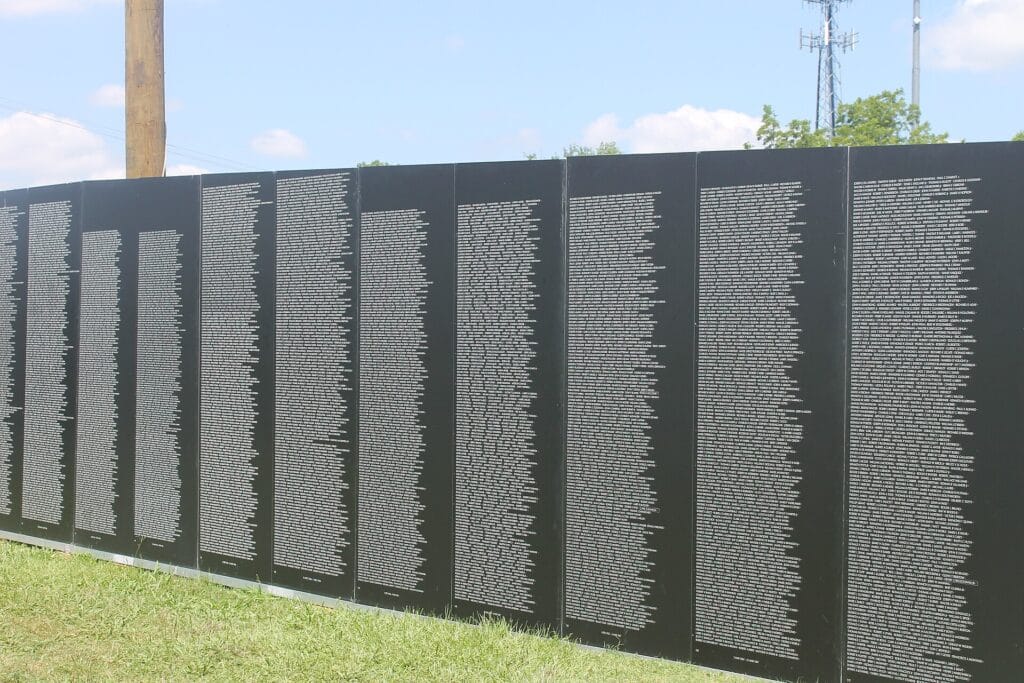
Give Hanoi a full day on foot — the Old Quarter’s 36 guild streets reward wandering. Start early at the Ho Chi Minh Mausoleum complex (free, but it closes by around 11am and typically shuts Mondays and Fridays), then walk to the elegant One Pillar Pagoda and the Temple of Literature, Vietnam’s first university, dating to 1070 (entry about 70,000 VND, roughly $3). Refuel with an egg coffee — ca phe trung — a Hanoi invention of whipped yolk over strong coffee. Afternoon: browse silk and street food around Dong Xuan Market, then catch the water-puppet show at the Thang Long Water Puppet Theatre near the lake (tickets about 100,000–200,000 VND). Planning note: the so-called Train Street cafes come and go with police crackdowns, so confirm they’re open that week rather than trekking over on spec. Tipping isn’t obligatory here, but rounding up is appreciated.
Day 3 — Ninh Binh Day Trip
Take an early train south to Ninh Binh for a day among karst mountains and rice fields — the SE-series trains from Hanoi station run the route in about 2 to 2.5 hours, with tickets roughly 100,000–150,000 VND ($4–$6). The station sits in town, so hire a Grab bike or local taxi for the last few kilometers to the sights. Choose Trang An, a UNESCO landscape where rowers scull you through flooded caves and past cliffside temples (boat ticket about 250,000 VND, around $10), or quieter Tam Coc nearby. Climb the 500-odd steps to the Hang Mua viewpoint for the postcard shot over the Ngo Dong River bends (entry about 100,000 VND). Try de nui, the region’s grilled mountain goat, a local specialty. Planning note: your boat rower expects a modest tip — 50,000–100,000 VND is fair and genuinely earned after an hour of paddling. Return to Hanoi by evening train.
Day 4 — Lan Ha Bay Cruise
Trade the city for the sea. Most reputable cruises depart the Ha Long and Lan Ha Bay area around midday, so book a boat that includes the roughly 2.5-hour road transfer from your Hanoi hotel (many run via the new expressway to Hai Phong). Serious travelers increasingly choose Lan Ha Bay, off Cat Ba Island — the same limestone drama as Ha Long but far fewer boats. Expect to pay anywhere from about $120 to $250-plus per person for a one-night cruise depending on the operator; verify the boat’s safety record and read recent reviews before paying. Afternoon activities usually include kayaking through hidden lagoons, a swim off the deck, and a cave visit. Dinner aboard is typically fresh seafood — steamed clams, grilled squid, prawns. Planning note: pick a cabin toward the stern to escape the anchor-winch noise at dawn, and pack layers — the bay turns cool and misty overnight.
Day 5 — Cruise to Hue
Wake on the water for the cruise’s calm morning highlight — a sunrise tai-chi session on deck and a paddle through a quiet lagoon before the day boats arrive. Brunch is usually served as the boat cruises back toward the mainland, reaching the pier late morning. Your included transfer returns you to Hanoi by mid-afternoon — time it so you can collect any stored luggage and head to Noi Bai for the short hop south. Book an afternoon or evening flight to Hue (Phu Bai Airport, code HUI); the flight runs about 1 hour 15 minutes and fares on Vietnam Airlines or VietJet often land around $35–$70 if booked ahead. From Phu Bai it’s roughly 20 minutes by taxi or Grab into the old imperial city, about 150,000–200,000 VND. Planning note: fly rather than take the 12-plus-hour overnight train — you’ll bank a full day in central Vietnam. Settle in near the Perfume River for the night.
Day 6 — Imperial Hue
Spend the day in Hue, the seat of the Nguyen emperors and Vietnam’s most atmospheric heritage city. Open early at the walled Imperial Citadel and its Forbidden Purple City — allow two to three hours and expect an entry fee of around 200,000 VND (about $8). Cross the Perfume River and take a short boat or Grab to the Thien Mu Pagoda, its seven-tiered tower the emblem of the city. In the afternoon, visit one of the lavish royal tombs set in the hills — the Tomb of Tu Duc or the fusion-style Tomb of Khai Dinh are the standouts (separate tickets, roughly 100,000–150,000 VND each). Hue’s food is imperial-refined: seek out bun bo Hue, the fiery lemongrass-beef noodle soup that carries the city’s name, and the delicate steamed rice cakes called banh beo. Planning note: rent a bicycle to reach the nearer tombs — the countryside ride is half the pleasure.
Day 7 — Scenic Train to Hoi An
Take the region’s most beautiful journey — the Hai Van Pass train from Hue toward Da Nang. The heritage-style service departs Hue station roughly around 7:45am or early afternoon; the ride is about 2.5 to 3 hours and tickets run around 180,000–210,000 VND (under $10). Sit on the left-hand side heading south for cliff-hugging views over the East Sea and the bay at Lang Co, where the train pauses briefly. From Da Nang station, it’s a 45-minute taxi or Grab south to Hoi An (roughly 350,000–450,000 VND) — the town itself has no rail station. Arrive by mid-afternoon and drop into Hoi An’s lantern-lit Ancient Town, a UNESCO trading port frozen in the 15th–19th centuries. Planning note: buy the combined old-town ticket (around 120,000 VND) at an official booth — it covers five heritage houses and supports preservation. Dinner: cao lau, the pork-and-noodle dish unique to Hoi An.
Day 8 — Hoi An Old Town
Give Hoi An a full, unhurried day — it’s the trip’s most photogenic town and best explored slowly on foot or by bicycle. Cross the 400-year-old Japanese Covered Bridge, tour the ornate Tan Ky Old House and the Fujian Assembly Hall, and duck into a tailor to have a shirt or dress custom-made — a Hoi An tradition, with simple pieces starting around 700,000–1,500,000 VND ($28–$60) and ready in a day. Late morning, rent a bike (about 40,000 VND) and pedal 20 minutes to An Bang Beach for lunch and a swim. Return for the town’s magic hour: after dark the riverfront glows with silk lanterns, and you can float a paper candle on the Thu Bon River from a small rowboat (around 50,000–100,000 VND). Planning note: confirm your tailor’s fabric quality and get a fitting the same afternoon so there’s time for alterations before you fly out. Try a white-rose dumpling, banh bao vac, for dinner.
Day 9 — Fly South to Saigon
Fly to Vietnam’s energetic south. From Da Nang International Airport — about a 45-minute drive back from Hoi An, so leave early — take a morning flight to Ho Chi Minh City (still widely called Saigon; airport code SGN). The hop runs roughly 1 hour 20 minutes, with advance fares often around $30–$70. A Grab from Tan Son Nhat into District 1 costs about 150,000–250,000 VND and takes 30–45 minutes in traffic. Spend the afternoon on the city’s colonial and wartime core: the War Remnants Museum (entry about 40,000 VND, roughly $2) is sobering but essential context for American visitors, followed by the Notre-Dame Cathedral, the ornate Central Post Office, and the Reunification Palace. As evening falls, ride the elevator up a rooftop bar near Nguyen Hue walking street for the skyline. Planning note: cross Saigon’s streets at a slow, steady pace — the scooters flow around you; hesitating is what causes accidents.
Day 10 — Cu Chi & Farewell
Devote your last full day to the Cu Chi Tunnels, about 70 kilometers northwest of the city — a 1 to 1.5-hour drive, longer in morning traffic. This vast Viet Cong tunnel network is the region’s most powerful war site; the entry fee for foreigners runs around 90,000–125,000 VND (roughly $4–$5), and the ticket counter takes cash in dong only. A guided half-day tour from Saigon (about $20–$40 including transport) is the easy way to go, and guides add crucial context; crawling a preserved section of tunnel is claustrophobic but unforgettable. Back in the city by afternoon, do your final shopping and street-food grazing at Ben Thanh Market, and toast the trip with a bowl of southern-style pho or a banh mi from a corner cart. Planning note: for departures, allow a generous cushion — Tan Son Nhat’s evening traffic and check-in lines are notorious, so leave District 1 at least three hours before an international flight.
Where to Stay in Vietnam
Choose a central neighborhood within walking distance of major sights — you’ll save hours of commute time over 10 days. Book 6-12 weeks ahead for best rates.
Budget Breakdown (10 Days)
Vietnam is rated Budget-friendly in our Travel Cost Index 2026. Figures are country-level daily ranges per person and exclude international flights.
| Travel style | Per day | Total 10 days |
|---|---|---|
| Budget | $12-25 | $120-250 |
| Mid-range | $45-90 | $450-900 |
| Luxury | $180-350 | $1,800-3,500 |
Source: Packzup Travel Cost Index 2026 — country-level averages; city and peak-season prices run higher. Excludes international flights.
What to Pack
- Clothing: Lightweight, breathable clothes for heat and humidity, plus a packable rain layer – showers vary by region and season. Bring shoulder-and-knee coverage for pagodas and the mausoleum, and a light layer for cool, misty nights on the bay.
- Tech: Vietnam runs on 220V with type A and C sockets, so most US plugs fit but confirm your device handles dual voltage; download Grab for taxis and Google Maps offline.
- Documents: US passport holders need a Vietnam e-visa – apply online well ahead, print a copy, and make sure the entry port matches the application (rules change, so verify current requirements). Carry a passport with six-plus months’ validity and proof of onward travel.
- Money: Vietnamese dong is essential – street food, markets, boat rowers, and some ticket counters (Cu Chi included) run on cash, though hotels and larger restaurants take cards. Tipping is not obligatory; small notes for rowers and guides are appreciated.
- Day bag: Pack a light scarf or sleeves for pagoda dress codes, a compact rain poncho, sunscreen, and bottled or filtered water since tap water is not drinkable.
Tips for a 10-Day Vietnam Trip
- Book ahead: Book Ha Long Bay overnight cruises 2-4 weeks ahead in peak season, and reserve sleeper train berths to Sapa or Da Nang about a week out, cabins genuinely sell out.
- Build in buffer time: Two domestic flights, a cruise with a fixed midday pickup, and Saigon’s notorious airport traffic eat hours fast – and jet lag bites, since Vietnam runs 14–15 hours ahead of US Pacific time. Keep Day 1 light.
- Eat like a local: Eat pho for breakfast like locals do, and follow office crowds at lunch; in Hanoi try bun cha, in Hoi An queue at Banh Mi Phuong.
- Travel insurance: $40-100 for 10 days. Covers medical, theft, cancellations.
- Get connected: Buy a Viettel tourist SIM or eSIM for roughly 5-10 dollars with generous data; airport booths work but city Viettel stores charge less, and cafe wifi is everywhere.
Flying In From the US: The Open-Jaw Trick That Saves a Wasted Day
Here is the reality most Americans miss when booking this trip. The only nonstop from the US to Vietnam is Vietnam Airlines’ San Francisco to Ho Chi Minh City service, roughly 15 hours 40 minutes in the air, running about four days a week. There is no nonstop from Los Angeles or anywhere else, so an LAX traveler connects through SFO first. Because that one nonstop lands in the south, plenty of visitors buy a round-trip into Ho Chi Minh City and then fly back north to start the Hanoi-first plan above, burning a domestic leg of about 2 hours 10 minutes and half a day.


The fix is an open-jaw ticket: fly into one city and home out of the other. It usually costs about the same as a round-trip and lets the country run in one clean direction with no backtracking.
- Land in Ho Chi Minh City, then reverse this itinerary and finish in Hanoi, or book the open-jaw into Hanoi and out of Saigon.
- Vietnam sits at UTC+7 with no daylight saving, so it is 14 to 15 hours ahead of US Pacific time. Keep day one slow and walkable, and skip the Halong Bay overnight on arrival day.
Frequently Asked Questions
Is 10 days enough for Vietnam?
For first-time visitors, 10 days in Vietnam covers the main highlights without rushing. If you want to add day trips, slower pace, or hidden gems, plan 2-3 more days. 10 days is the minimum to feel you’ve truly seen Vietnam — anything less is a sampler.
How much will a 10-day Vietnam trip cost?
Using the Budget Breakdown table above, drawn from our Travel Cost Index 2026: Budget $12-25/day ($120-250 for 10 days), Mid-range $45-90/day ($450-900 for 10 days), Luxury $180-350/day ($1,800-3,500 for 10 days). Country-level averages, excluding international flights.
What’s the best time to do a 10-day Vietnam itinerary?
Shoulder seasons (just before/after peak) offer the best balance of weather, crowds, and price for Vietnam. Check the destination’s specific best-time guide for exact months. Avoid major local holidays which spike prices and crowd attractions.
How do I get around Vietnam?
Use Grab or the electric Xanh SM taxis in cities, they are cheap and avoid meter haggling. For long hops, domestic flights on Vietnam Airlines or VietJet beat 15-hour drives, while the Reunification Express sleeper train works well for Hanoi to Hue or Da Nang. Hanoi has two metro lines and Ho Chi Minh City opened Metro Line 1, but rideshare still covers most sightseeing.
What should I pack for 10 days in Vietnam?
Pack light, breathable clothes for heat and humidity, plus a rain layer since showers hit year round in the south and summer in the north. Add one modest outfit covering shoulders and knees for pagodas, broken-in walking shoes or sandals, and a light jacket if visiting Hanoi or Sapa between November and March.
Should I book hotels or use Airbnb in Vietnam?
For 10-day trips, hotels are usually better: easier check-in, daily housekeeping, no laundry expectations, included breakfast often. Airbnb/apartments make sense for stays of 5+ nights, families, or kitchen-focused travelers. Book central locations to save commute time.
Related Vietnam Travel Guides
- Best Things to Do in Vietnam
- Where to Stay in Vietnam
- Best Food in Vietnam
- Best Time to Visit Vietnam
- Vietnam Trip Cost Breakdown
You Might Also Love


Written by
John Morrison is the founder and lead travel writer at Packzup. Over the past decade he has explored destinations across Africa, the Americas, Asia, Europe, the Middle East, and Oceania — always self-funded, never on a press trip.
