
Last updated September 1, 2026 · Editorial policy
Quick answer: 2026’s smartest trips: Albania before the secret fully breaks, Japan beyond the golden-route crowds, Slovenia’s green calm, Morocco’s desert-to-medina drama, and shoulder-season Greece: the year’s theme is going slightly sideways from the obvious.
1. Albania
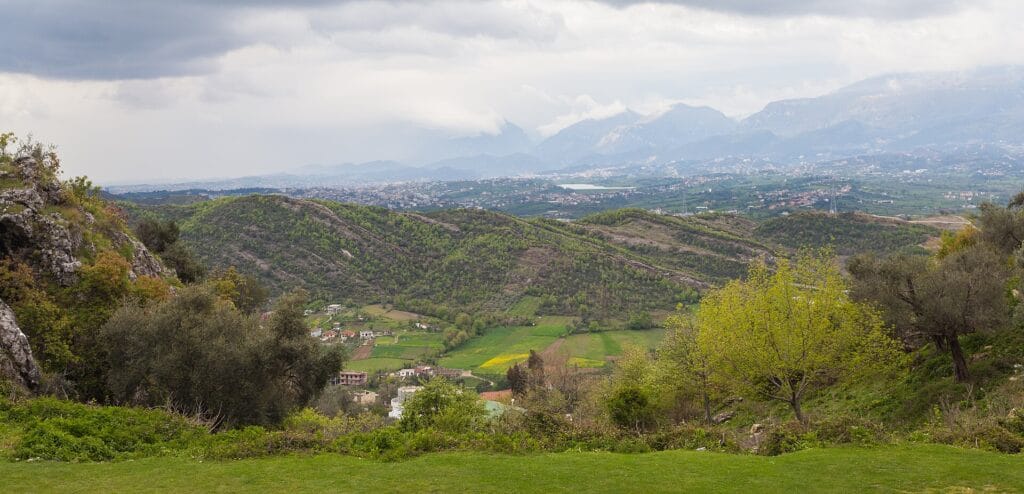
The Mediterranean’s last bargain: Ksamil’s coves, the Accursed Mountains’ new trails and Tirana’s caffeinated energy. Infrastructure improves yearly; prices have not caught up. Go now.
2. Japan, the quieter routes
Skip nothing in Tokyo and Kyoto, but 2026 rewards the detours: Kanazawa’s crafts, Naoshima’s art islands, Kyushu’s onsen towns. The weak-yen era made even splurges feel sane: spend it on one great ryokan night.

3. Slovenia
Lake Bohinj over Bled, the Soca valley’s turquoise rapids and Ljubljana’s riverside evenings: half the price of the Alps, twice the calm. Europe’s best small country keeps getting better connected.

4. Morocco
Marrakech’s riads, the Atlas in bloom (spring), Essaouira’s sea breeze and a night under Sahara stars: maximum sensory range per flight-hour from Europe.
5. Greece, off-peak and off-island
May-June and September deliver the islands at their best, but 2026’s real move is the mainland: the Peloponnese’s beaches-plus-ruins and Zagori’s stone villages, at half island prices.
6. Colombia
Cartagena to the coffee axis to Medellin’s eternal spring: South America’s most rewarding loop right now, with direct flights multiplying.
7. Taiwan
Night markets, Taroko’s marble gorge and bullet-train ease: Asia’s most underrated all-rounder, still blissfully under-touristed.
Booking 2026
The pattern across every pick: shoulder seasons beat peaks, second cities beat capitals, and booking flights early (by February for summer) matters more this year than hotel deals. Pick one stretch trip and one easy win for the year.
Plan your trip to these destinations
Every destination here is chosen from independent research — Packzup runs no sponsorships or paid placements.
The picks, deepened: why-go, when, and what it really costs
Here is the honest breakdown on each pick, with rough 2026 USD figures for a mid-range traveler (private room, sit-down meals, intercity transport).
- Albania — Go for a Riviera that still costs what Croatia did 15 years ago. Hit it in May-June or September: same beach weather, hotels 30-40% cheaper than peak. Budget $45-70/day on the coast, less inland. Planning note: skip the Saranda hotels and book a half-board guesthouse in Theth (Albanian Alps) for $20-35/person including two home-cooked meals and, usually, free raki.
- Japan, the quieter routes — Go to feel the country breathe between the famous stops. Late spring or autumn (Oct-Nov) for foliage. The 7-day nationwide JR Pass runs ~¥50,000 (~$330); Tokyo-Kanazawa alone is ¥14,380 one-way, so do the math before buying. Tip: reach Shirakawa-go by late afternoon and stay overnight to have the gassho-zukuri village to yourself after the Kanazawa day-buses leave.
- Slovenia — Go because you can hike the Soca Valley, see Lake Bled, and tour Postojna Cave (€28) inside one tank of gas. June or early September dodges the July-August Bled crush. Mid-range runs $100-180/day. Tip: a weekly motorway vignette is just €16, and the Skofije-Koper-Izola coastal stretch is now toll-free for cars.
- Morocco — Go in spring (Mar-May) or autumn (Sep-Nov); summer in Marrakech is brutal. Mid-range $60-110/day. Tip: World Cup 2030 prep has already pushed Marrakech and Casablanca rooms up 15-20% since 2024, so 2026 is genuinely the last cheap window.
- Greece, off-peak and off-island — The mainland (Peloponnese, Meteora, Nafplio) in October still gives swimmable seas, warm ruins, and 20-30% lower daily costs than the islands. Three-star rooms run €70-95; Meteora monasteries are €5 each.
How to choose between them (be honest about what you actually want)
Five strong picks, five different trips. Pick by the feeling you’re chasing, not the Instagram grid:
- Cheapest, with a beach → Albania. Nothing in Europe touches its Riviera-to-mountains value right now, and you’ll spend roughly half what Greece or Slovenia costs.
- You want to drive and pack in variety → Slovenia. It’s compact enough that alpine lakes, a wine valley, a world-class cave, and the Adriatic coast are all inside a two-hour radius. A rental car plus the €16 vignette is the whole transport plan.
- Culture and ruins without the crowds → mainland Greece in October. Ancient Greece minus the cruise-ship surge, and the sea’s still warm.
- Sensory overload, last-cheap-year urgency → Morocco. Medinas, the Sahara, the Atlas. Go before the World Cup pricing fully lands.
- Calm, craft, and trains that run on time → Japan’s quieter routes. The priciest of the five, but the one where the logistics never fight you.
Rough cost ladder, low to high: Albania → Greece mainland / Morocco → Slovenia → Japan. If you only have a week and want zero friction, choose Slovenia or Japan. If you want your money to stretch and don’t mind rougher edges, Albania or Morocco.
Getting there: the practical logistics that trip people up
The arrival mechanics matter more than the brochures admit. What to expect:
- Albania — No direct US flights to Tirana (TIA). Connect through a European hub (Milan, London, Brussels, or Frankfurt) on Wizz Air, Ryanair, Lufthansa, or Swiss. Clever combo: fly into Corfu, then take the Saranda-Corfu ferry straight onto the Albanian Riviera — the fast boat is ~30 minutes for €19-30, with up to 13 daily summer crossings (Ionian Seaways, Finikas Lines).
- Slovenia — Ljubljana (LJU) is small; most US travelers connect via Frankfurt, Munich, Vienna, or Zurich. Many fly into Venice or Zagreb instead and drive in (under 2 hours) — often cheaper, and you get the rental car you’ll want anyway.
- Greece — Fly to Athens (ATH), then go overland. KTEL buses are the workhorse: Athens-Nafplio ~€14, Athens-Meteora ~€32. For Meteora, the train to Kalambaka is the scenic move.
- Morocco — Casablanca (CMN) and Marrakech (RAK) take direct flights from the US East Coast (or connect via Paris/Madrid). On the ground, the Al Boraq high-speed train connects Tangier-Rabat-Casablanca at up to 320 km/h (Tangier-Casa in 2h10, fares from ~€28). Note: Al Boraq does not reach Marrakech yet — that’s still a conventional train (~$10-16 first class from Casablanca).
- Japan — Fly into Tokyo (HND/NRT) or Osaka (KIX). For Kanazawa, take the Hokuriku Shinkansen; for Naoshima, ferry from Uno or Takamatsu (confirm schedules and museum reservations with Benesse Art Site directly).
You Might Also Love


Written by
John Morrison is the founder and lead travel writer at Packzup. Over the past decade he has explored destinations across Africa, the Americas, Asia, Europe, the Middle East, and Oceania — always self-funded, never on a press trip.
