
Last updated September 8, 2026 · Editorial policy
Quick take: When should you actually go to Bhutan? Below: the honest month-by-month guide — not the watered-down tourism-board version. October-November is the absolute peak — clearest Himalayan views (Jomolhari, Gangkar Puensum), warmest festival weather (Thimphu Tsechu, Black-Necked Crane festival), and dry trails. March-April rivals it for rhododendron season and slightly warmer days.
Bhutan is one of the world’s most carefully managed tourism destinations — a daily sustainable tourism fee, no independent backpackers, and a calendar that revolves around Buddhist festivals. The Himalayan climate creates very distinct seasons. Here is when to go for what experience.
Best time to visit Bhutan: at a glance
Short answer: March–May and September–November — clear skies and festivals.
| Season | Months | What to expect |
|---|---|---|
| Peak | Apr, Oct | Festivals & clear mountain views; busiest |
| Shoulder (best value) | Mar, May, Sep, Nov | Pleasant, fewer crowds |
| Low | Jun–Aug (monsoon), Dec–Feb (cold) | Rain or cold, high passes tricky |
Best months to visit Bhutan
October-November is the absolute peak — clearest Himalayan views (Jomolhari, Gangkar Puensum), warmest festival weather (Thimphu Tsechu, Black-Necked Crane festival), and dry trails. March-April rivals it for rhododendron season and slightly warmer days.
Month-by-month overview
When to avoid Bhutan
Monsoon (June-August) brings heavy rain, leeches on trails, and obscured mountains. December-February are dry but cold; many high passes closed.
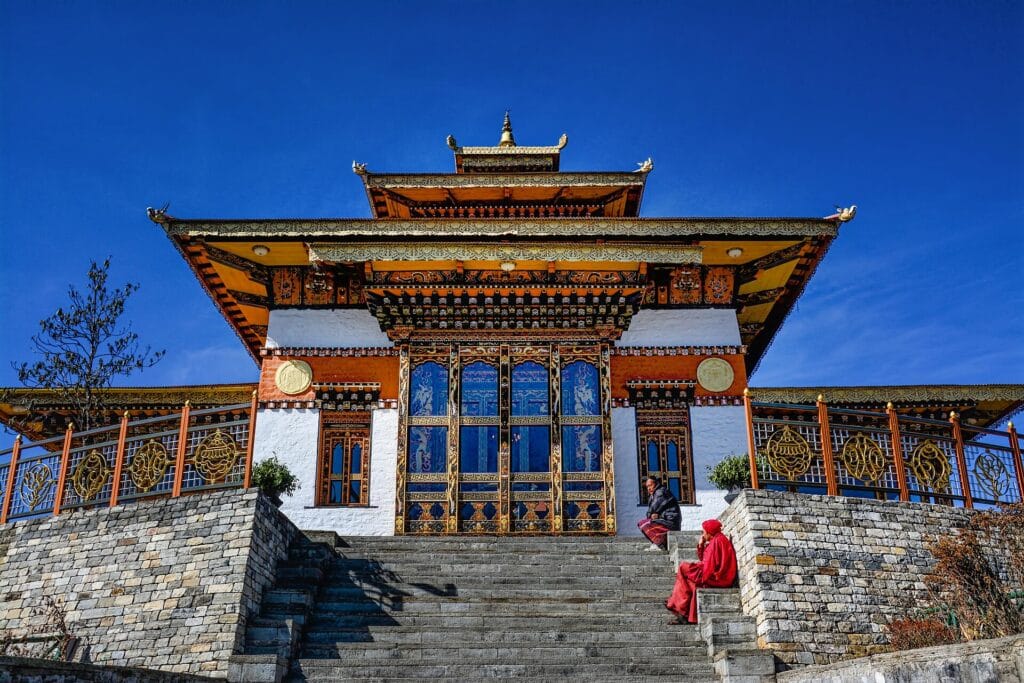
Key events and festivals
- Thimphu Tsechu (September / October (varies)): Bhutan’s biggest religious festival; mask dances, sacred thangka unveiling.
- Paro Tsechu (March / April): Spring festival in Paro Dzong; spectacular costumes and mask dances.
- Black-Necked Crane Festival (November 11, Phobjikha): Celebrates the arrival of the endangered cranes from Tibet.
- Punakha Drubchen and Tsechu (February / March): War commemoration with elaborate mask dances at Punakha Dzong.
A local planning note
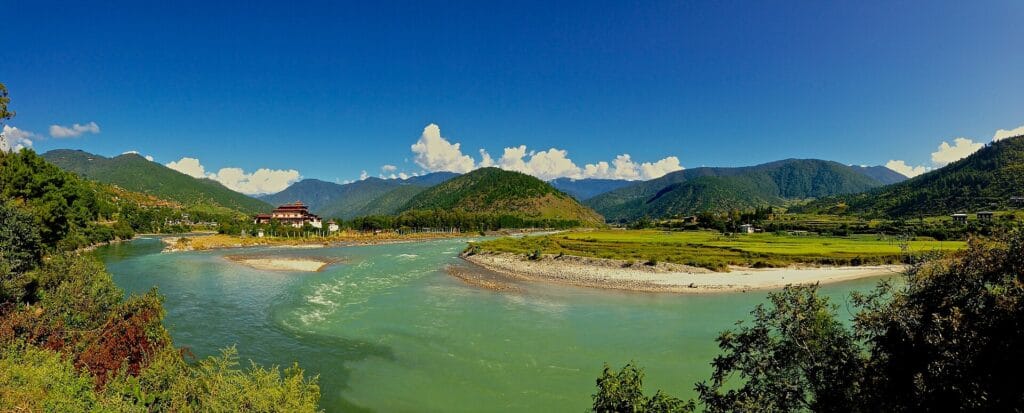
If you want Tiger’s Nest (Paro Taktsang) with the best light and fewest pilgrims, start the hike at 7:00am from the trailhead. You’ll reach the monastery by 9:00am when light is still warm on the cliff face, beat the European tour groups by an hour, and have time to descend before lunch. The afternoon shadow puts the monastery in flat light.
Why Bhutan’s ‘Best Time’ Is About Crowds and Light, Not Price
Here is the catch most timing guides skip: Bhutan does not really have a cheap season. The Sustainable Development Fee sits at a flat 100 USD per person per night and stays there through August 31, 2027, with no monsoon or winter discount. So the decision is not about saving money the way it is elsewhere. It is about light, crowds, and what is actually open.
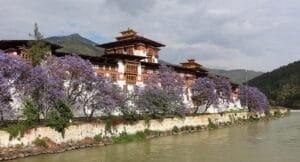
October and April are the two crests, when festival schedules and clear skies collide with the heaviest visitor numbers. The smarter window is late November into early December. Skies are at their sharpest, Dochula Pass (around 3,000m) opens up a panorama of snow peaks including Gangkhar Puensum at 7,570m, and the cultural sites empty out. November also brings the Black-Necked Crane Festival at Gangtey Gonpa in Phobjikha, held on November 11, 2026. Spring travelers should target April for jacaranda framing Punakha Dzong and rhododendron color that runs from mid-March into May.
- Skip June to August: monsoon brings leeches on trails and peaks hidden behind cloud.
Frequently asked questions
When is the absolute best time to visit Bhutan?
October and November combine clear Himalayan views, comfortable temperatures, and Thimphu Tsechu festival. March-April adds rhododendron season.
Why is Bhutan so expensive?
Mandatory $200/day Sustainable Development Fee for international tourists (lower for Indian visitors). It funds free education and healthcare for Bhutanese.
Can I climb to Tiger’s Nest year-round?
Yes — open year-round. October-November for clearest weather and views. Avoid monsoon (slippery trail) and December-January mornings (icy).
When are Bhutan festivals?
Tsechu festivals are scheduled by lunar calendar so dates vary each year. Major ones: Paro (Mar-Apr), Thimphu (Sep-Oct), Punakha (Feb-Mar). Book 6+ months ahead.
How long do I need in Bhutan?
Minimum 5 days for Paro + Thimphu + Punakha. 7-10 days for Bumthang central valleys. 2 weeks for trekking (Jomolhari, Druk Path).
Plan your Bhutan trip
Timing your trip? See our data study: Best Time to Travel the World 2026 — the best (and worst) months to travel, from 26 top destinations.
You Might Also Love

Written by
John Morrison is the founder and lead travel writer at Packzup. Over the past decade he has explored destinations across Africa, the Americas, Asia, Europe, the Middle East, and Oceania — always self-funded, never on a press trip.
