Last updated August 29, 2026 · Editorial policy
Best time to visit the Dolomites: at a glance
Short answer: June–September for hiking; December–March for skiing.
| Season | Months | What to expect |
|---|---|---|
| Peak | Jul–Aug, Dec–Feb | Alpine summer or ski season; busiest |
| Shoulder (best value) | Jun, Sep | Wildflowers or crisp autumn, fewer crowds |
| Low | Apr–May, Oct–Nov | Many lifts & huts closed |
Best Time to Visit Dolomites: Month-by-Month Guide
Quick take: Every travel blog says the same thing about when to visit Dolomites. Most of it is copy-pasted from tourism boards. Here’s what actually matters.
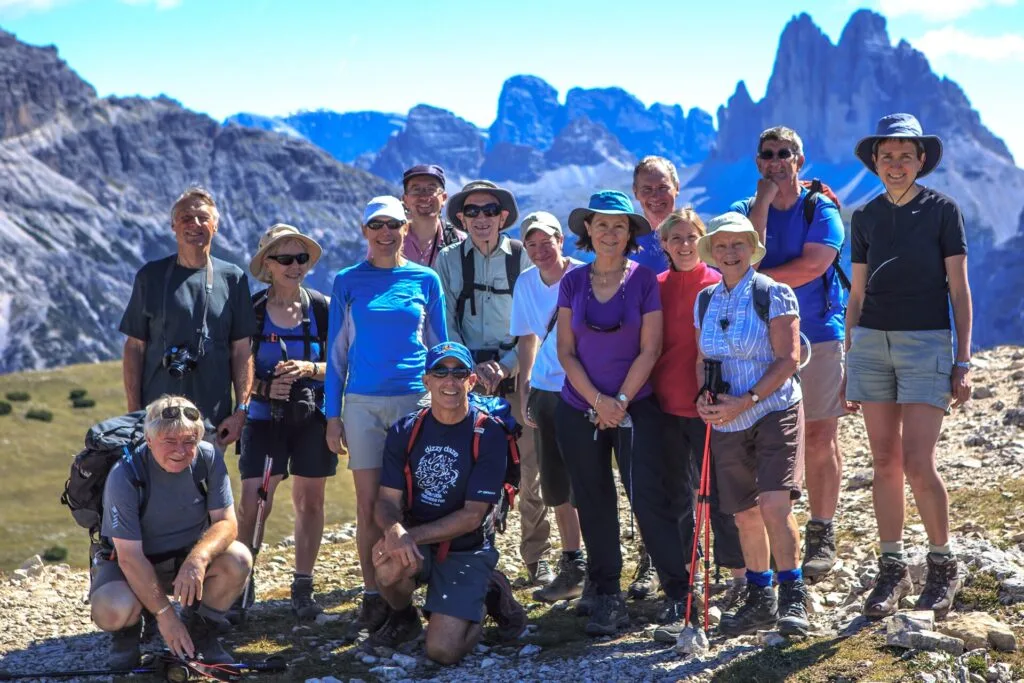
Knowing the best time to visit Dolomites can transform your trip — saving you hundreds on flights and hotels while putting you in better weather with fewer crowds. This guide breaks down each season, key events, and what to expect month by month so you can pick the right travel dates.
Festivals & Events in Dolomites
The tightest window is Maratona dles Dolomites in early July: Alta Badia, Corvara and Arabba lodging typically goes months in advance and the passes close to traffic on race day. For skiing, the Val Gardena World Cup in mid-December is the other lock-out weekend.
- Maratona dles Dolomites (gran fondo cycling) (early Jul)
- FIS Ski World Cup Val Gardena (Saslong) (mid Dec)
- I Suoni delle Dolomiti (mountain music festival) (late Aug-early Oct)
- 3Tre FIS Ski World Cup (Madonna di Campiglio) (early Jan)
When to Visit by Travel Goal
- Fewest crowds: Late Jun before the Italian and German school break, and the first three weeks of Sep once families leave, are the quiet stretches with trails still open. Apr-May and Nov are emptier still, but most lifts and huts are shut.
- Festivals & culture: Maratona dles Dolomites, the gran fondo that typically closes the Sella passes in early July, is the marquee date and books out far ahead. I Suoni delle Dolomiti spreads mountain concerts across late August into early October.
- Budget travelers: The real cheap windows are Apr-May and Oct, when valley hotels drop between the ski and hiking seasons. Rates typically sit lowest in November, but lifts, rifugi and most mountain lodging are closed then, so the savings rarely buy a usable trip.
What to Avoid
- Major holidays: Ferragosto around August 15 is the single biggest domestic surge, filling valleys and passes. Christmas through Epiphany on January 6 and the Italian settimana bianca ski weeks in February also sell out lodging, as does Easter in the ski valleys.
- Closures: Plenty closes here. Many rifugi shut for the season in the last week of September and high lifts cut hours from mid-September; Cortina’s Fedare chairlift at Passo Giau typically closes around September 15. In November almost everything pauses before Dolomiti Superski opens.
Booking Tips
- The Dolomites have two peaks, so book by season. For Jul-Aug hiking or the Dec-Feb ski weeks, aim to lock flights into Venice, Verona, Innsbruck or Munich around four to six months out, and book the rental car the same day. Jun and Sep typically stay open two to three months ahead.
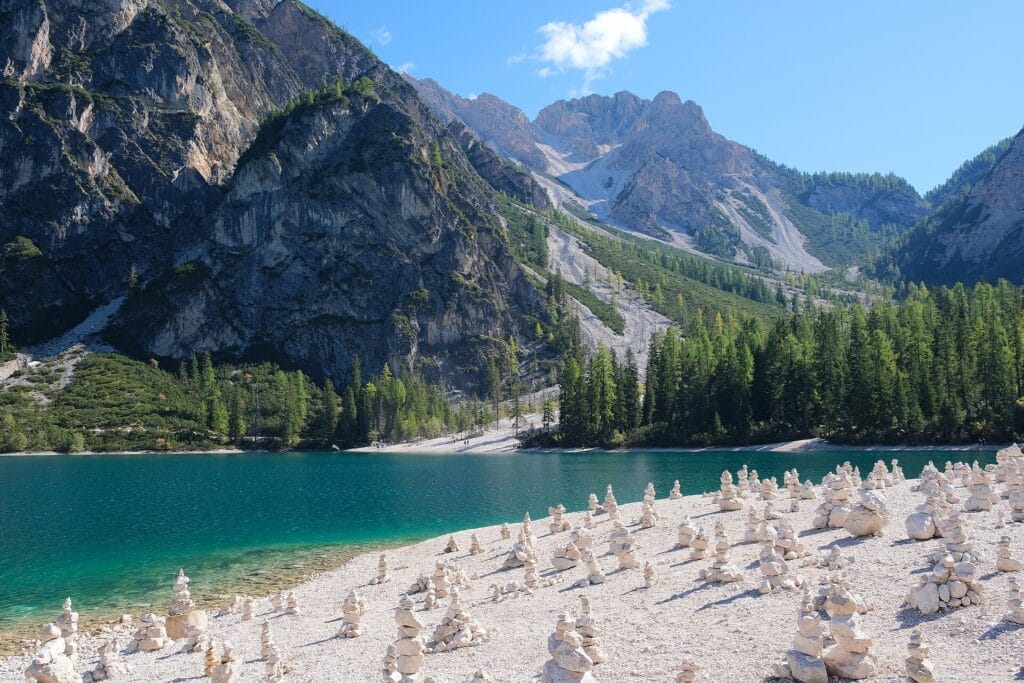
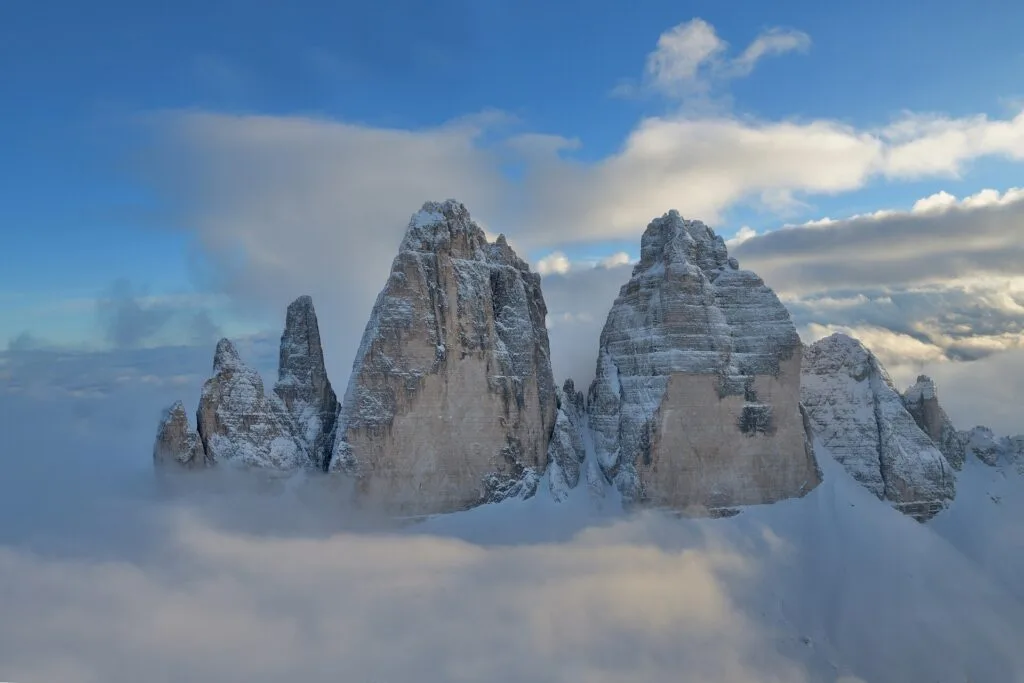
- The shoulder weeks that work are Jun and the first two to three weeks of Sep. September trades warmth for stability and thinner crowds at Lago di Braies and Tre Cime; June trades some lingering snow on high routes for wildflowers and long daylight.
- Germany sends the largest share of visitors and Italy most of the rest, so German state holidays, especially Bavaria and North Rhine-Westphalia, plus the Italian summer break and Austrian and Swiss school terms are the calendars that actually move Dolomites prices and availability.
- Insurance matters here for mountain reasons, not price. Look for cover that includes helicopter and mountain rescue, hiking above roughly 2,000 meters, and winter sports if you are skiing Dec-Feb. Sudden snow can arrive from late September, and storms close passes and lifts.
The Early-September Window vs. the November Dead Zone
The shoulder-season advice you usually hear hides a sharper truth: the Dolomites have a narrow operational window, and missing it by a week changes the whole trip. The genuine sweet spot is the first two to three weeks of September. You keep summer-grade trails and stable weather with highs around 60-70F and morning lows dropping into the 30s and 40s, but the July-August parking crush at spots like Lago di Braies and Tre Cime eases off. The catch is timing the close-down. Many rifugi shut for the season in the last week of September, and high lifts start pulling early hours mid-month (Cortina’s Fedare chairlift at Passo Giau typically closes around September 15), so a multi-day hut trek booked for late September can strand you. The first snowfall often arrives by the third week, dusting peaks above roughly 2,000 meters.
- Avoid November outright: summer lifts and cable cars have stopped, most mountain accommodation is closed, and the ski network has not opened, leaving wet, cold trails and shuttered villages.
- For skiing, target early December: Dolomiti Superski (12 areas, around 1,200 km of runs on one pass) opens its first slopes in late November and the rest by early December, well before the February peak.
Frequently Asked Questions
Are there major festivals in Dolomites?
Yes — Dolomites hosts notable events including: Maratona dles Dolomites (gran fondo cycling) (early Jul), FIS Ski World Cup Val Gardena (Saslong) (mid Dec), I Suoni delle Dolomiti (mountain music festival) (late Aug-early Oct), 3Tre FIS Ski World Cup (Madonna di Campiglio) (early Jan). Major festivals can spike hotel prices 50-200% — book 3-6 months ahead if attending.
What should I pack for Dolomites?
Pack for the season you’re visiting and the climate zone. Summer in Dolomites: lightweight breathable clothes, sunscreen, hat, comfortable walking shoes. Winter: layers, waterproof jacket, warm accessories. Check the 10-day forecast 1-2 weeks before departure and adjust.
Related Dolomites Travel Guides
- Best Things to Do in Dolomites
- Where to Stay in Dolomites
- Best Food in Dolomites
- How Much Does a Trip to Dolomites Cost?
- Dolomites Itinerary Guide
Torn between destinations? See our honest, first-hand comparisons: Patagonia vs Dolomites, Dolomites vs Slovenia.
Dolomites weather & climate by month
Best months to visit: February, January, March. Dolomites’s warmest month is July (avg 21°C / 70°F), the coolest is January (low -7°C / 19°F). The wettest is November (173 mm) and the driest is February.
| Month | Avg high | Avg low | Rainfall | Rainy days |
|---|---|---|---|---|
| January | 1°C / 34°F | -7°C / 19°F | 54 mm | 8 |
| February | 5°C / 40°F | -5°C / 23°F | 45 mm | 5 |
| March | 6°C / 42°F | -4°C / 25°F | 46 mm | 8 |
| April | 8°C / 47°F | -1°C / 31°F | 104 mm | 12 |
| May | 13°C / 55°F | 4°C / 39°F | 167 mm | 22 |
| June | 20°C / 68°F | 10°C / 49°F | 163 mm | 23 |
| July | 21°C / 70°F | 11°C / 52°F | 172 mm | 25 |
| August | 21°C / 69°F | 11°C / 52°F | 164 mm | 23 |
| September | 17°C / 63°F | 8°C / 47°F | 88 mm | 15 |
| October | 13°C / 56°F | 5°C / 40°F | 133 mm | 12 |
| November | 7°C / 44°F | -2°C / 29°F | 173 mm | 10 |
| December | 3°C / 37°F | -5°C / 23°F | 141 mm | 10 |
Climate source: Open-Meteo ERA5 reanalysis (2019–2023). Compare destinations in the Best Time to Visit Index.
You Might Also Love

Written by
Drew Treasury is a contributing travel writer at Packzup, specialising in city culture, food markets, street art, and neighbourhood-level travel.