Last updated July 30, 2026 · Editorial policy
Croatia vs Italy, in one line: Not a toss-up on money: Italy runs meaningfully pricier at USD 180-300 a day versus Croatia's 100-180, and its tourist taxes bite harder (Rome and Venice charge more than Croatia's rate). Tipping is relaxed in both. Pick Croatia for coast, ferries and value; pick Italy for iconic cities, food and bucket-list culture. Shoulder months suit both.
When to go: Croatia vs Italy
Measured, not guessed — five years of ERA5 reanalysis (2019–2023). Months are ranked by how close the average high sits to 25°C, penalised by wet days.
Croatia
- Best month
- June
- Then expect
- 28°C · 5 wet days
- Next best
- September, July
- Wettest month
- November (15 wet days)
Italy
- Best month
- June
- Then expect
- 29.8°C · 5 wet days
- Next best
- September, October
- Wettest month
- November (16 wet days)
- Same window — both Croatia and Italy are at their best in June.
- Biggest split is March — Italy is 2°C warmer that month.
Source: ERA5 reanalysis (2019–2023) via Open-Meteo, CC BY 4.0 — Packzup Travel Climate Dataset (open data).
Croatia vs Italy: the key numbers (2026)
| Croatia | Italy | |
|---|---|---|
| Mid-range daily cost | USD 100-180/day (Moderate) | USD 180-300/day (Pricey) |
| Tourist tax (2026) | EUR 1-3 per night; Dubrovnik 2.65 summer | Rome EUR 4-10/night; Venice EUR 5-10 day entry |
| Tipping | Optional; ~10% appreciated, not expected | Optional; coperto is a cover charge, not a tip |
| Plug / voltage | Type C, F; 230V | Type C, F, L; 230V |
| Best months | May-Jun, Sep | Apr-Jun, Sep-Oct |
Figures from Packzup's Travel Cost Index, Tourist Tax Index, Tipping Guide and Power Plug Index — updated 2026.
Torn between Croatia and Italy for your next trip? Both are fantastic — but they suit different travelers, budgets, and trip styles. Here is an honest, data-driven comparison of Croatia vs Italy across cost, visas, best time to visit, and overall vibe, with a clear verdict on which to choose.
Choose Croatia if budget is your priority — it works out cheaper day to day. Choose Italy if it better matches the experience you are after. Both reward travelers who plan around the right season.
Croatia vs Italy at a glance
| Croatia | Italy | |
|---|---|---|
| Best for | Coast, value, walled towns | Art, food, history |
| Vibe | Compact, coastal | Layered, busier |
| Daily budget (mid-range) | €80–120 | €100–160 |
| Best time | May–Jun, Sep | Apr–Jun, Sep–Oct |
| Don't miss | Dubrovnik, Hvar, Plitvice | Rome, Florence, Venice, Amalfi |
| The catch | Fewer blockbuster sights | Crowds; scams |
Croatia vs Italy: Cost & Entry Snapshot
| Croatia | Italy | |
|---|---|---|
| Region | Europe | Europe |
| Daily cost (mid-range) | $100-$180 | $180-$300 |
| Budget daily | $30-$55 | $55-$100 |
| Cost level | Mid-Priced | Pricier |
| US visa | Visa-Free | Visa-Free |
| Currency | EUR | EUR |
| Capital | Zagreb | Rome |
Which is cheaper, Croatia or Italy?
Day to day, Croatia is the more budget-friendly choice. A mid-range traveler spends about $140/day in Croatia versus $240/day in Italy. Over a one-week trip that is roughly $980 vs $1,680 per person — a meaningful gap if you are watching your budget. Backpackers can go lower in both, and luxury travelers will spend well above these figures in either country.
Visas & entry
For US passport holders, Croatia typically requires visa-free and Italy requires visa-free. Rules vary by nationality and change often — always confirm with the official government source before booking. See our full visa guides linked below for a passport-by-passport breakdown.
Croatia or Italy: which is better?
- You want a Europe trip with mid-priced daily costs.
- Budget is a priority — your money stretches further here.
- You want a Europe trip with pricier daily costs.
- You are happy to spend a bit more for the experience.
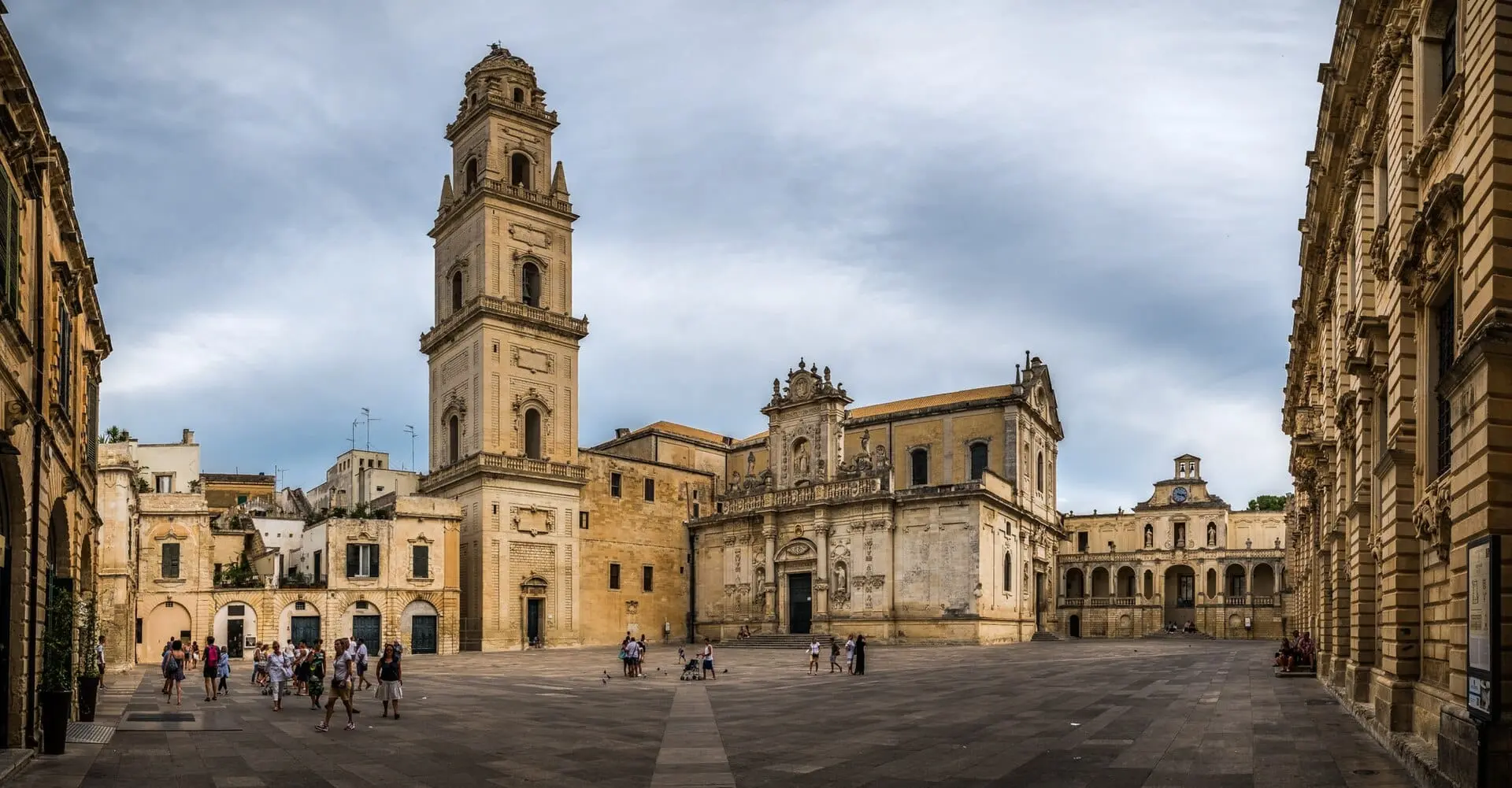
The Verdict: Croatia or Italy?
Choose Croatia if your trip is built around the water and you want your euros to stretch; choose Italy if you came for the art, the food obsession, and cities that defined Western culture. The single deciding factor is simple: are you here to be somewhere beautiful, or to see the things that made Europe famous? Croatia is the place; Italy is the canon.
Three things tip real decisions:
- Money goes further in Croatia. Mid-range travel runs roughly $140 a day versus Italy's $240, and that gap compounds fast over a two-week trip. Croatia's prices also crater outside July and August, while Rome, Florence, and Venice stay expensive year-round.
- Italy is taxing the crowds, Croatia is capping them. Venice now charges day-trippers €5-€10 to enter (running 60 days in 2026), and Dubrovnik holds cruise arrivals to 10,000 a day, with the city walls moving to advance booking in 2026. Plan accordingly either way.
- You can have both. Flights between Rome and Split start around $28 one-way, so a Hvar-and-Amalfi or Florence-and-Split combo is genuinely cheap to stitch together.
My honest steer: first-timers chasing icons go Italy. Repeat visitors, sailors, and anyone watching the budget go Croatia.
Croatia vs Italy FAQ
Is Croatia cheaper than Italy?
Croatia or Italy: which is better for first-time visitors?
Can I visit both Croatia and Italy in one trip?
Do I need a visa for Croatia or Italy?
Which is better for your trip, Croatia or Italy?
For families
Verdict: Croatia wins for families. Croatia is simply easier with kids: it is more affordable, distances are short, and the Adriatic coast is full of shallow, calm pebble coves like those around Makarska and the island of Brac where children can swim safely for hours. Split and Dubrovnik are compact and walkable, and a day trip to Krka or Plitvice waterfalls is a guaranteed hit. Italy offers more famous sights, but queueing at the Vatican or Uffizi in August heat is nobody's idea of a family holiday.
For couples & honeymoons
Verdict: Italy wins for couples and honeymoons. For pure romance, Italy is hard to beat: sunset on the Amalfi Coast, a gondola in Venice, wine tasting in a Tuscan farmhouse, or the pastel villages of the Cinque Terre. Croatia counters with Hvar and Rovinj, which are genuinely lovely, but Italy has more variety and more once-in-a-lifetime settings. Go in May, June, or September for warm weather without peak-season crowds and prices.
For budget travelers
Verdict: Croatia wins on a budget. Even after adopting the euro, Croatia remains noticeably cheaper than Italy for accommodation, casual meals, and ferries; a konoba dinner in Zadar costs well under what you would pay near any major Italian sight. Private rooms and apartments (sobe) are a Croatian institution and undercut Italian hotels, especially on the coast. Budget flights from across Europe serve Split, Zadar, and Dubrovnik all summer, and shoulder-season prices drop sharply in May and October.
For food lovers
Verdict: Italy wins for food, and it is not close. Italy is arguably the world's greatest food destination, with fiercely regional cooking: Neapolitan pizza, fresh pasta in Bologna, seafood in Sicily, and everyday espresso and gelato that embarrass most countries' best. Croatia holds its own in pockets, notably Istria with its truffles, olive oil, and Malvazija wine, plus excellent grilled fish along the Dalmatian coast. But if eating is the point of your trip, book Italy.
Planning the trip? Go deeper with best time to visit Croatia and our Italy Travel guide.
You Might Also Love



Written by
John Morrison is the founder and lead travel writer at Packzup. Over the past decade he has explored destinations across Africa, the Americas, Asia, Europe, the Middle East, and Oceania — always self-funded, never on a press trip.