Last updated August 13, 2026 · Editorial policy
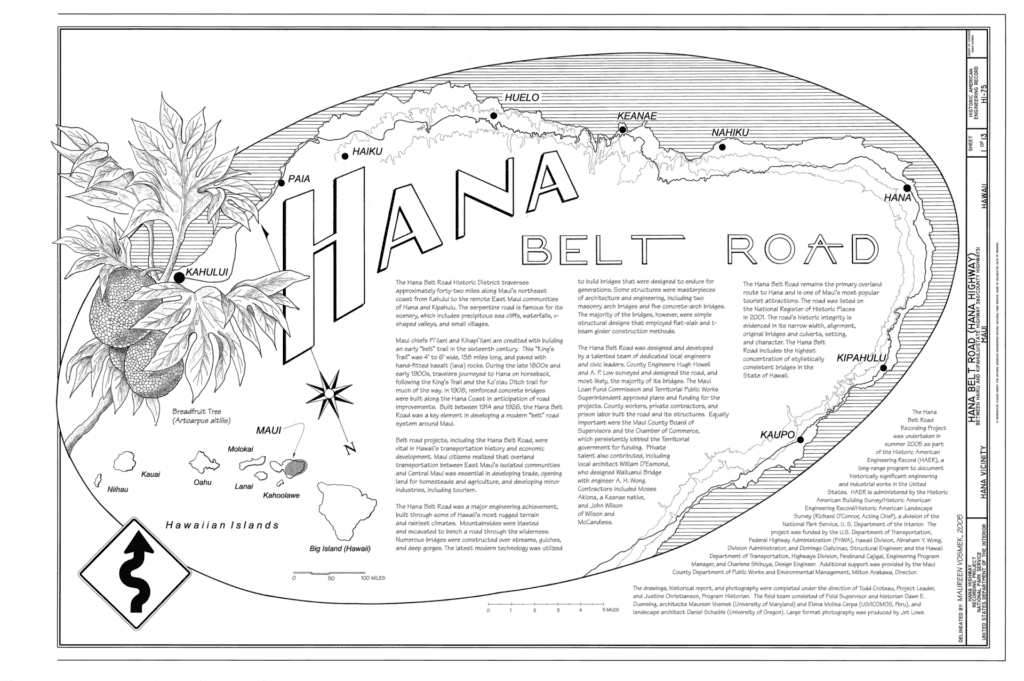
Maui is a car island — the two volcanic masses connected by a central valley create a shape that requires driving between the main resort areas (West Maui/Ka’anapali, South Maui/Wailea, Central Maui/Kahului) and the natural attractions (Haleakalā, Road to Hana, Iao Valley). Public transport exists but is limited, and ride-hailing is available but expensive over long distances. A rental car is essentially mandatory for anyone wanting to explore beyond their resort. The Road to Hana alone requires a full day of driving. Maui’s traffic, especially on the two-lane highway between Lahaina and Ka’anapali, can be frustrating during peak hours.
Transport Options:
1. Rental Cars
Essential for Maui. Every major rental company operates from Kahului Airport (OGG). Rates vary wildly by season — 60-150 USD/day in peak season, sometimes less in shoulder season. Book well in advance, especially for December-March. A standard car is fine for all paved roads. Jeeps/SUVs are popular but only necessary if you plan to drive unpaved roads beyond Hana. The Road to Hana has 620 curves and 59 bridges — drive slowly and start early. Gas stations are scarce on the Hana road and in upcountry. Parking at popular beaches fills by mid-morning.
2. Maui Bus
The county bus system has 13 routes connecting Kahului, Wailuku, Kihei, Wailea, Lahaina, Ka’anapali, and Upcountry. Fare is 2 USD per ride. The Lahaina Islander connects Lahaina to Ka’anapali resort area. The Kihei Villager runs through Kihei to Wailea. Service runs from about 6 AM to 9 PM with limited frequency (every 60-90 minutes on most routes). No service to Haleakalā or Hana. Useful for resort-to-town trips if you don’t want to drive, but too limited for proper island exploration.
3. Ride-Hailing (Uber and Lyft)
Both operate on Maui but availability varies — plentiful in Kahului and resort areas, scarce in rural areas and Hana. Airport to Ka’anapali resort area costs about 50-70 USD. Short rides within resort areas cost 10-20 USD. Surge pricing is common, especially around airport arrival times. Not a substitute for a rental car for island exploration but useful for dinner outings and short trips within resort areas. Wait times can be long during busy periods.
4. Snorkel and Boat Tours
Boat tours to Molokini Crater (snorkelling), Lana’i (snorkelling, dolphins), and seasonal whale watching (December-April) are major Maui activities and the only way to reach offshore sites. Molokini trips cost 120-200 USD per person. Lana’i catamaran trips cost 150-250 USD. Whale watching tours run 40-80 USD. Boats depart from Ma’alaea Harbor and Lahaina Harbor. Book in advance during peak season. The morning departures have calmer seas for snorkelling.
5. Cycling
Maui’s most famous cycling experience is the Haleakalā sunrise bike ride — van shuttle to the 10,023-foot summit followed by a 23-mile downhill coast through paniolo (cowboy) country. Guided tours cost 150-250 USD. Self-guided road cycling is excellent in upcountry Maui and along the North Shore. Bike rentals from 30-50 USD/day. The roads are hilly and narrow in places — experienced cyclists only on main highways. E-bikes are increasingly popular in resort areas for short trips.
6. Resort Shuttles
Most Maui resorts in Ka’anapali and Wailea offer complimentary shuttle service along the resort strip and to nearby shopping areas. The Ka’anapali Trolley runs between resorts and Whaler’s Village. Free beach shuttles operate in some areas. These save short taxi rides within resort zones. Check with your hotel for current shuttle routes and schedules. Not useful for island exploration but handy for evening dining without driving.
Transport Tips for Maui
Rent a car — there is no practical alternative for exploring Maui. Book rental cars months ahead for December-April season. Start the Road to Hana by 7 AM to avoid traffic and allow time for stops. Reserve Haleakalā sunrise parking 60 days in advance (recreation.gov). The drive from Kahului to Ka’anapali takes 45-60 minutes — plan accordingly. Gas up before heading to Hana or Haleakalā. Beach parking at popular spots fills by 10 AM — arrive early or go late afternoon. West Maui Highway traffic (Route 30) is worst 7-9 AM and 3-6 PM.
What is the best way to get around Maui?
The most practical options are Rental Cars and Maui Bus. Essential for Maui. Every major rental company operates from Kahului Airport (OGG). Rates vary wildl…
Do I need a car in Maui?
It depends on your itinerary. For the main areas, public transport and ride-hailing are sufficient. A car is useful for exploring rural or remote areas.
Is public transport safe in Maui?
Yes, public transport is generally safe and widely used by locals and tourists alike. Take normal precautions with your belongings, especially in crowded areas.
Related Articles
- Things to Do in Maui: 12 Experiences You Can’t Miss
- Where to Stay in Maui: Best Neighborhoods and Hotels
- Best Time to Visit Maui: Month-by-Month Guide
- Maui Itinerary: A 7-Day Sample Plan and How to Build Your Trip
Frequently Asked Questions
You Might Also Love




Written by
John Morrison is the founder and lead travel writer at Packzup. Over the past decade he has explored destinations across Africa, the Americas, Asia, Europe, the Middle East, and Oceania — always self-funded, never on a press trip.