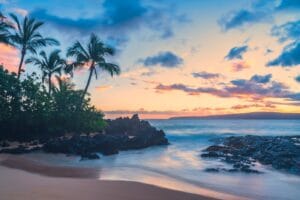
Maui has a way of rendering every other beach holiday inadequate. Hawaii’s second-largest island packs volcanic craters, bamboo rainforests, black-sand beaches, and world-class snorkelling into an area you can drive across in a few hours. The Road to Hana alone justifies the flight, but add in sunrise from the summit of Haleakala, whale watching off the Lahaina coast, and plate lunches eaten with your feet in the sand, and you have an island that operates on a completely different level. Maui is not cheap, but it delivers experiences that no amount of money can replicate elsewhere.
- Watch Sunrise from Haleakala Summit
- Drive the Road to Hana
- Snorkel at Molokini Crater
- Hike the Pipiwai Trail to Waimoku Falls
- Eat a Plate Lunch at a Local Spot
- Watch Whales from the Lahaina Shore
- Explore Iao Valley State Monument
- Surf or Take a Lesson at Lahaina
- Snorkel at Black Rock (Pu’u Keka’a)
- Drive the West Maui Loop
- Attend a Traditional Luau
- Paddleboard at Makena Landing
1. Watch Sunrise from Haleakala Summit
Driving to the 10,023-foot summit of Haleakala volcano in the pre-dawn darkness and watching the sun break over a sea of clouds filling the crater is one of the most powerful natural spectacles in the United States. Reservations through recreation.gov are required and cost 1.50 USD per car on top of the 30 USD park entry. Arrive by 5 AM, bring warm layers — it can be 30 degrees Fahrenheit at the top — and stay for the first hour of light painting the crater walls.
2. Drive the Road to Hana
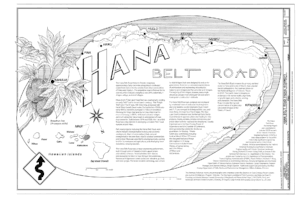
This 64-mile highway winds through 620 curves and 59 bridges along Maui’s lush northeastern coast, passing waterfalls, bamboo forests, black-sand beaches, and roadside banana bread stands. Start early, drive slowly, and plan for a full day. Key stops include Twin Falls, Wai’anapanapa State Park (black-sand beach), and the Pipiwai Trail to 400-foot Waimoku Falls. The drive is as much about the journey as any single destination.
3. Snorkel at Molokini Crater
This partially submerged volcanic crater three miles off Maui’s south shore creates a natural reef sanctuary with 150-foot visibility and over 250 species of tropical fish. Morning boat tours from Ma’alaea Harbor cost 80-150 USD and typically include a second snorkel stop at Turtle Town where green sea turtles cruise the reef. Book the earliest departure for the calmest water and best visibility.
4. Hike the Pipiwai Trail to Waimoku Falls
This four-mile round-trip trail beyond Hana passes through a magical bamboo forest where the stalks creak and clatter in the wind before ending at the 400-foot Waimoku Falls cascading down a moss-covered cliff face. The trail is well-maintained but muddy — wear shoes with grip. It is included in the Haleakala National Park pass. Start by mid-morning to finish before afternoon rain rolls in.
5. Eat a Plate Lunch at a Local Spot
The Hawaiian plate lunch — two scoops of rice, mac salad, and a protein — is the island’s most democratic meal. Tin Roof in Kahului, run by Top Chef alum Sheldon Simeon, serves pork belly and garlic noodles that draw a daily queue. Aloha Mixed Plate in Lahaina does kalua pig and laulau on the waterfront. Budget 12-18 USD for a plate that will keep you fuelled for hours.
6. Watch Whales from the Lahaina Shore
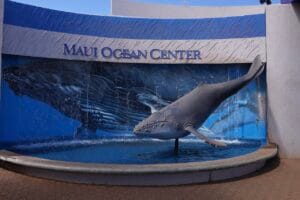
From December through April, humpback whales migrate to the warm waters between Maui and Lanai to breed and calve. You can spot breaches and tail slaps from the Lahaina seawall without spending a dollar. For closer encounters, Pacific Whale Foundation runs two-hour boat tours from 45 USD with naturalist guides and a whale sighting guarantee. Peak season is January through March.
7. Explore Iao Valley State Monument
The Iao Needle is a 1,200-foot moss-covered rock pinnacle rising from the floor of this lush valley in the West Maui Mountains. A short paved path from the parking lot leads to viewpoints and a botanical garden. The valley was the site of one of Hawaii’s bloodiest battles and the atmosphere is both beautiful and historically weighty. Entry is 5 USD for out-of-state visitors. Go early before clouds fill the valley.
8. Surf or Take a Lesson at Lahaina
Lahaina’s gentle waves and sandy bottom make it one of Hawaii’s best spots for learning to surf. Schools like Maui Surfer Girls and Goofy Foot run two-hour group lessons for 80-100 USD with a near-guarantee of standing up. More experienced surfers head to Honolua Bay on the northwest tip for powerful winter swells. The surf culture here is relaxed, welcoming, and deeply rooted in Hawaiian tradition.
9. Snorkel at Black Rock (Pu’u Keka’a)
The volcanic outcrop at the north end of Ka’anapali Beach is the most accessible great snorkel spot on Maui. Turtles, parrotfish, and moray eels patrol the reef along the rock face. The cliff jumping platform at the top has a nightly torch-lighting and diving ceremony at sunset. No boat or tour needed — just walk in from the beach. Arrive before 10 AM for clearer water and fewer swimmers.
10. Drive the West Maui Loop
The road past Kapalua continues around the rugged northwest coast through Kahakuloa village, one of the last traditional Hawaiian communities. The single-lane road hugs cliffs above the crashing ocean with no guardrails. Stop at Julia’s banana bread stand and the Olivine Pools tide pools. The loop eventually connects back to Wailuku. Rent a sturdy vehicle — some rental agreements exclude this road.
11. Attend a Traditional Luau
Old Lahaina Luau is consistently rated Hawaii’s best, setting the standard with oceanfront seating, a pit-roasted kalua pig, traditional hula, and fire dancing. Tickets cost 130-160 USD including dinner and drinks. Book weeks ahead as it sells out nightly. Skip the resort chain luaus and attend one that prioritises cultural authenticity over spectacle — the difference is immediately obvious.
12. Paddleboard at Makena Landing
Makena Landing on the south shore offers calm, clear water perfect for stand-up paddleboarding. Rental shops nearby charge 35-50 USD for a half day. Paddle south along the coast toward the lava fields at La Perouse Bay and watch for turtles surfacing around you. Morning sessions before the trade winds pick up are ideal. The views of Molokini and Kahoolawe from the water are spectacular.
Practical Tips for Maui
Check our full Maui travel guide for detailed tips on transport, safety, money, and the best time to visit. For food recommendations beyond this list, see our Maui food guide.
Frequently Asked Questions
What are the top things to do in Maui?
The must-do experiences include Watch Sunrise from Haleakala Summit, Drive the Road to Hana, and Eat a Plate Lunch at a Local Spot. Maui also offers incredible food, vibrant neighbourhoods, and easy day trips.
How many days do you need in Maui?
We recommend at least 3 to 4 days to cover the highlights, though a week lets you explore at a relaxed pace and add day trips.
Is Maui safe for tourists?
Maui is generally safe for tourists who take normal precautions. Stay aware of pickpockets in crowded areas and keep valuables secure.