Frequently asked questions
Seoul travel FAQ: everything first-time visitors ask
Seoul is East Asia's most contemporary capital and one of the world's fastest-changing cities. Here are 10 honest, current answers to the questions first-time Seoul visitors ask.
Is Seoul safe for travelers?
Seoul is among the safest major cities in the world - lower violent-crime rates than Tokyo. Walking alone at 3 a.m. In central neighborhoods is normal. The main concerns are occasional drink-spiking in Itaewon/Hongdae bars (very rare) and minor pickpocketing in crowded subway transfers. The city is exceptionally welcoming to foreigners.
How much does a trip to Seoul cost?
Seoul is moderately priced. Budget travelers manage on $60-90/day. Mid-range travelers spend $130-200/day with central Myeongdong/Gangnam hotels, KBBQ dinners, and a few attractions. Luxury travelers spend $400+/day at Shilla, Four Seasons Seoul, or Park Hyatt Seoul.
What's the best time to visit Seoul?
April to June and September to November are the sweet spots - mild temperatures, low rainfall, manageable crowds. April brings cherry blossoms (mid-month); October-November brings autumn foliage. Avoid July-August (hot, humid, monsoon) and winter (-10 to 5C, can be bitter).
How many days do I need in Seoul?
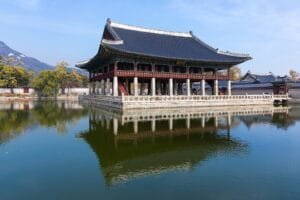
Four to five days covers Seoul properly - Gyeongbokgung Palace + Bukchon Hanok Village, Myeongdong shopping + N Seoul Tower, Hongdae nightlife + Itaewon food, Gangnam + DMZ day-trip. Six days lets you add a Busan day-trip via KTX or further Korean wave fan tours.
Do I need a visa to visit Seoul?
Can you drink the tap water in Seoul?
Yes - Seoul tap water is officially safe and of high quality. Locals don't always drink it because of taste preferences, but it meets international drinking-water standards. Restaurants serve free water (usually filtered).
What language is spoken in Seoul?
Korean is the official language. English signage is good in subway and tourism areas; spoken English is moderate among younger Koreans and tourism workers. Translation apps like Papago (Korea-specific) outperform Google Translate for Korean.
What's the food culture like in Seoul?
Korean food is one of Asia's most distinctive - KBBQ, bibimbap, jjigae stews, kimchi-everything, street tteokbokki, fried chicken with beer (chimaek). Don't miss: KBBQ at Maple Tree House or Hanguk Saejae, bibimbap at Gogung, and street food at Gwangjang Market.
Is Seoul good for first-time travelers?
Seoul is exceptionally beginner-friendly for an Asian capital. English signage is good, infrastructure is world-class, costs are predictable, and crime is negligible. The main learning curves are the metro size (over 300 stations) and Korean characters (Hangul is logical once you learn it).
What should I avoid doing in Seoul?
Don't stick chopsticks vertically in rice (funeral symbolism). Don't pour your own drink at a table - someone else pours for you. Don't show affection publicly. Don't talk loudly on the subway. Don't write someone's name in red ink (funeral association). Don't tip - confuses staff and isn't expected.