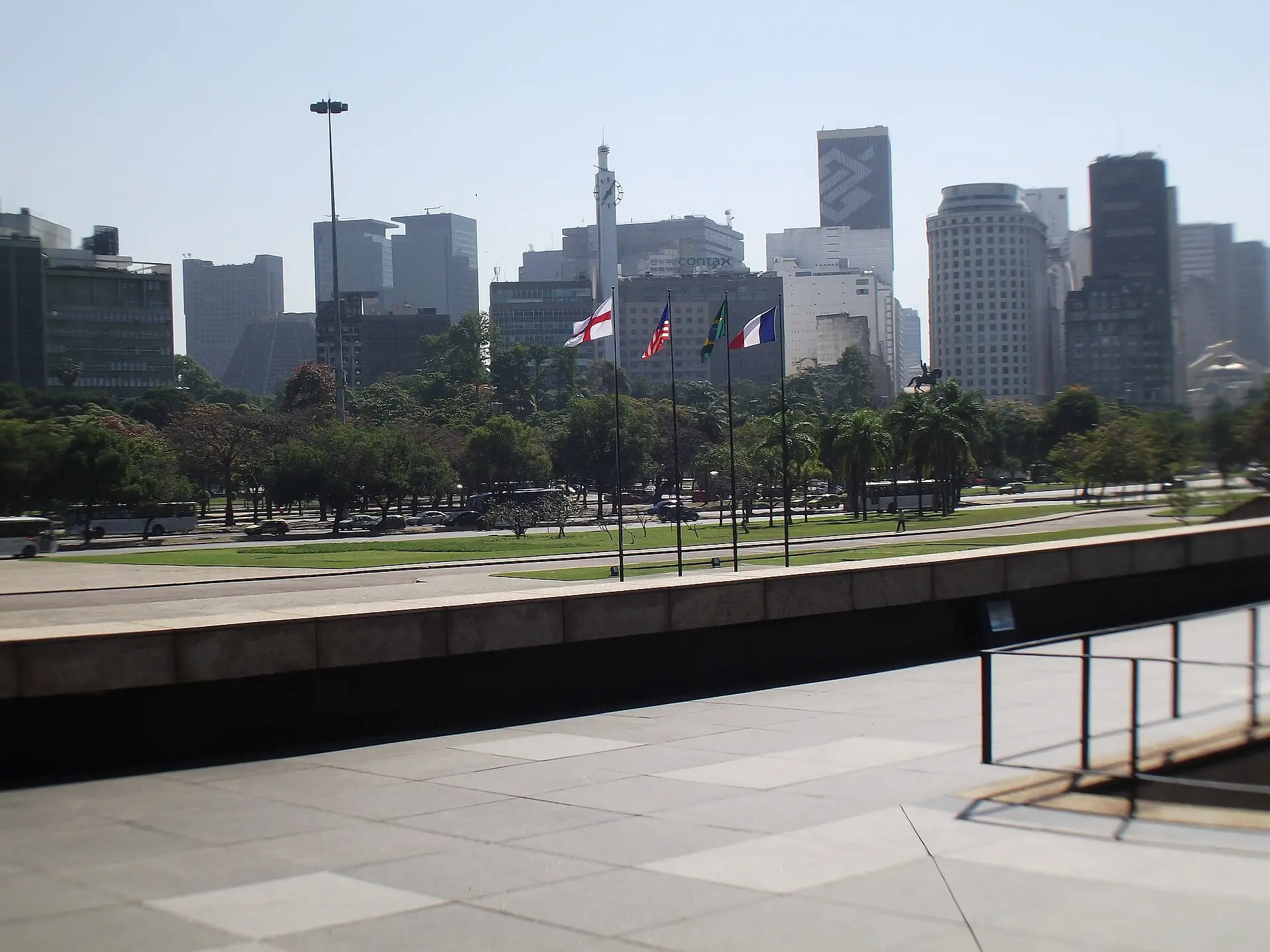
Rio de Janeiro is the city that makes other cities feel timid. Granite peaks draped in tropical forest rise straight from white-sand beaches, samba rhythms pulse through neighbourhood bars every night of the week, and the energy of carioca culture is contagious from your first morning acai on the boardwalk. The combination of dramatic natural geography, deeply rooted music and dance traditions, and the Brazilians’ gift for turning any moment into a celebration makes Rio unlike anywhere else on the planet. It is chaotic, exhilarating, and impossibly beautiful.
- Take the Cog Train to Christ the Redeemer
- Ride the Cable Car to Sugarloaf Mountain
- Walk the Full Length of Copacabana Beach
- Samba at Pedra do Sal on a Monday Night
- Eat Feijoada on a Saturday
- Hike Through Tijuca National Park
- Explore the Lapa Arches and Nightlife
- Visit the Selaron Steps
- Take the Tram Through Santa Teresa
- Day Trip to Ilha Grande
- Watch Sunset from Arpoador Rock
- Explore the Museum of Tomorrow
1. Take the Cog Train to Christ the Redeemer
The 38-metre statue atop Corcovado Mountain is one of the modern world’s most recognisable landmarks. The cog railway from Cosme Velho climbs through Tijuca Forest and deposits you at the base of the statue with panoramic views of the city, Sugarloaf, and Guanabara Bay. Buy timed tickets online to avoid queues. Early morning offers the clearest skies. The ride itself through the rainforest canopy is half the experience.
2. Ride the Cable Car to Sugarloaf Mountain
Pao de Acucar’s two-stage cable car rises first to Morro da Urca (with a bar, monkeys, and hiking trails) then to the 396-metre summit. The sunset from the top — watching the city light up while Christ the Redeemer glows above — is one of Rio’s defining moments. Visit on a clear day and allow at least two hours. Tickets cost around 130 reais purchased online.
3. Walk the Full Length of Copacabana Beach
The four-kilometre crescent of sand, framed by the wave-patterned boardwalk, is a stage for carioca life. Joggers, volleyball players, vendors selling mate tea and biscoitos, and sunbathers create constant theatre. Walk from Posto 1 to Posto 6, stop at a barraca for a caipirinha, and swim in the waves. Sunday mornings when the road closes to cars are especially lively.
4. Samba at Pedra do Sal on a Monday Night
This open-air samba gathering in the port district is the most authentic live music experience in Rio. Locals crowd the cobblestone steps with beer and caipirinhas while bands play traditional samba de raiz every Monday and Friday night. The scene starts around 8 PM and spills into surrounding streets. Entry is free. It is the heartbeat of Rio’s musical culture and not to be missed.
5. Eat Feijoada on a Saturday
The traditional Saturday lunch across Brazil is feijoada — a rich black bean stew with pork cuts, served with rice, farofa, greens, and orange slices. Casa da Feijoada in Ipanema and Bar do Mineiro in Santa Teresa serve excellent versions. The dish is heavy and pairs perfectly with a cold chopp (draft beer). Saturday feijoada is a ritual — arrive by noon and expect to linger.
6. Hike Through Tijuca National Park
The world’s largest urban rainforest covers the mountains above Rio with trails ranging from easy nature walks to challenging summit ascents. Pico da Tijuca (1,022 metres) is the highest point and offers views over the entire city. The Cascatinha waterfall and Mesa do Imperador viewpoint are easier options. Go with a guide for unmarked trails and bring mosquito repellent.
7. Explore the Lapa Arches and Nightlife
The Arcos da Lapa — a colonial aqueduct turned tramway — anchors Rio’s wildest nightlife district. Clubs, samba halls, and street parties line Rua do Lavradinha and the surrounding blocks on Friday and Saturday nights. Rio Scenarium is a three-storey antique-shop-turned-samba-club that packs in a mixed crowd dancing until sunrise. Arrive by 10 PM to get in without a long queue.
8. Visit the Selaron Steps
Chilean artist Jorge Selaron covered this 250-step staircase between Lapa and Santa Teresa in over 2,000 colourful tiles collected from around the world. The mosaic is a self-declared tribute to the Brazilian people and has become one of Rio’s most photographed landmarks. Visit mid-morning when the light hits the tiles and the crowds are manageable. Free to visit.
9. Take the Tram Through Santa Teresa
The hilltop bohemian neighbourhood of Santa Teresa is reached by a restored electric tram (the bonde) that clatters over the Lapa Arches. The cobblestone streets above are lined with artists’ studios, colonial mansions, restaurants, and viewpoints over the city. Bar do Mineiro is essential for pasteis and cold beer. The neighbourhood has a village feel that contrasts sharply with the beach zone below.
10. Day Trip to Ilha Grande
This car-free island three hours from Rio is ringed by over 100 beaches accessible only by boat or trail. Lopes Mendes is consistently rated one of Brazil’s most beautiful beaches — long, wild, and backed by Atlantic Forest. Snorkelling in the Lagoa Azul is excellent. Ferries run from Mangaratiba or Angra dos Reis. Budget for at least an overnight to fully explore.
11. Watch Sunset from Arpoador Rock
The rocky point between Copacabana and Ipanema beaches draws crowds every evening for what has become a ritual applause as the sun drops behind the Dois Irmaos peaks. Arrive 30 minutes before sunset, claim a spot on the rocks, and join locals clapping as the sky turns orange and pink. It is free, democratic, and perfectly captures Rio’s communal spirit.
12. Explore the Museum of Tomorrow
Santiago Calatrava’s striking waterfront museum in the Porto Maravilha district explores sustainability and the future of civilization through immersive, interactive exhibits. The building itself — a solar-powered cantilever reaching over Guanabara Bay — is architectural spectacle. Tuesday entry is free, otherwise 30 reais. The surrounding Olympic Boulevard and Maua Square have excellent street art and food trucks.
Practical Tips for Rio de Janeiro
Check our full Rio de Janeiro travel guide for detailed tips on transport, safety, money, and the best time to visit. For food recommendations beyond this list, see our Rio de Janeiro food guide.
Frequently Asked Questions
What are the top things to do in Rio de Janeiro?
The must-do experiences include Take the Cog Train to Christ the Redeemer, Ride the Cable Car to Sugarloaf Mountain, and Eat Feijoada on a Saturday. Rio de Janeiro also offers incredible food, vibrant neighbourhoods, and easy day trips.
How many days do you need in Rio de Janeiro?
We recommend at least 3 to 4 days to cover the highlights, though a week lets you explore at a relaxed pace and add day trips.
Is Rio de Janeiro safe for tourists?
Rio de Janeiro is generally safe for tourists who take normal precautions. Stay aware of pickpockets in crowded areas and keep valuables secure.