
Last updated September 3, 2026 · Editorial policy
- Best time to visit South Korea: at a glance
- Best Time to Visit South Korea: Month-by-Month Guide
- Festivals & Events in South Korea
- When to Visit by Travel Goal
- What to Avoid
- Booking Tips
- The Real Sweet Spot: Late May and Mid-October Over the Crowded Peaks
- Frequently Asked Questions
- Related South Korea Travel Guides
- Related Articles
Best time to visit South Korea: at a glance
Short answer: April–June and September–November.
| Season | Months | What to expect |
|---|---|---|
| Peak | Apr–May, Oct | Blossoms or autumn colour; busiest |
| Shoulder (best value) | Jun, Sep, Nov | Mild, fewer crowds |
| Low | Jul–Aug, Dec–Feb | Monsoon/heat or cold |
Best Time to Visit South Korea: Month-by-Month Guide
Quick take: Timing your South Korea trip right makes everything better: lower prices, better weather, fewer crowds. Month-by-month reality below.
Knowing the best time to visit South Korea can transform your trip — saving you hundreds on flights and hotels while putting you in better weather with fewer crowds. This guide breaks down each season, key events, and what to expect month by month so you can pick the right travel dates.
| Season | Months | What to Expect |
|---|
Festivals & Events in South Korea
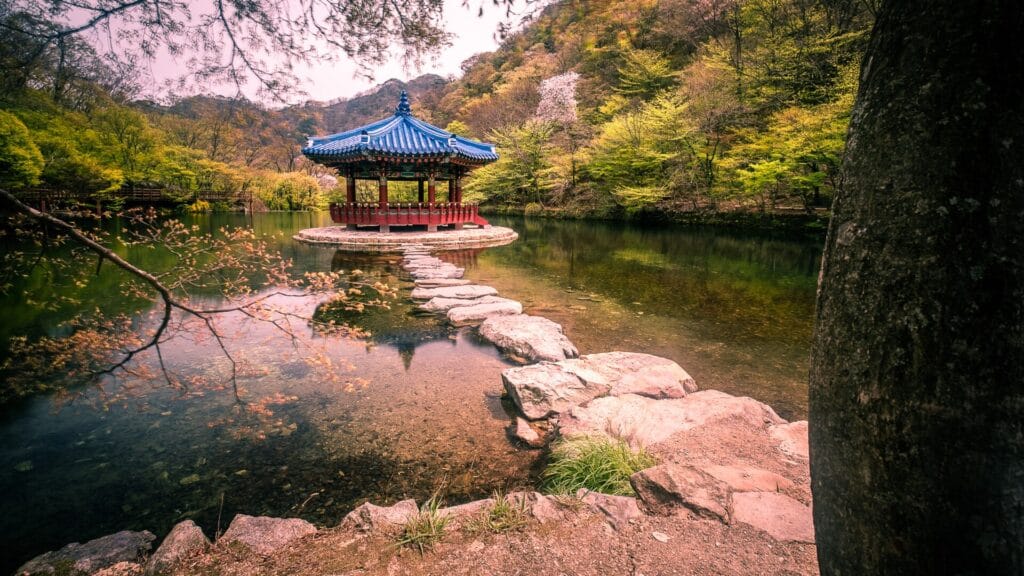
The single toughest booking window is cherry-blossom week, around April 8 in Seoul for 2026: that one stretch drives the year’s highest flight and hotel prices, and Jinhae accommodation sells out months ahead. Lock flights and rooms 4-6 months early or shift to late May.
- Jinhae Gunhangje Cherry Blossom Festival (late Mar-early Apr)
- Boryeong Mud Festival (Jul)
- Jinju Namgang Yudeung Lantern Festival (Oct)
- Andong Maskdance Festival (late Sep-early Oct)
When to Visit by Travel Goal
- Fewest crowds: January and February are South Korea’s quietest months if you can handle Seoul lows around -7C. For milder weather with thin crowds, aim for early June before the jangma rains or November after the October foliage rush clears.
- Festivals & culture: The Jinhae Gunhangje Cherry Blossom Festival (late March-early April) is the marquee spring draw and the country’s busiest festival week. In summer, the Boryeong Mud Festival (July) takes over Daecheon Beach; October brings the Jinju Namgang Yudeung Lantern Festival.
- Budget travelers: The real bargains land in January-February (outside Seollal week) when cold clears the crowds, and during the jangma monsoon weeks of late June-July. Avoid early April and October, when blossom and foliage demand pushes Seoul flights and hotels to their annual highs.
What to Avoid
- Major holidays: Chuseok (September 24-27 in 2026) and Seollal, the Lunar New Year in late January or February, empty the cities and jam intercity trains as Koreans travel home; KTX seats sell out fast and many family-run restaurants close. Buddha’s Birthday in May also fills temples and hotels.
- Closures: Little shuts for winter, but family-run restaurants and small shops close for several days around Chuseok (September 24-27 in 2026) and Seollal. Seoul’s royal palaces also keep weekly closing days year-round, and some national-park trails typically close during spring and late-autumn fire-prevention periods.
Booking Tips
- South Korea’s fare peaks track the cherry blossoms around early April and October foliage, so book those trips roughly 3-4 months out. Shoulder trips in June, September, or November can typically wait until 6-8 weeks before departure, and winter fares outside Seollal stay soft far later.
- South Korea’s best shoulder weeks are late May to early June, after the blossom crowds leave but before the jangma rains arrive, and early-to-mid November, just past peak foliage. Both trade a little spectacle for near-peak weather and noticeably lower Seoul hotel rates.
- Korean school vacations drive domestic surges from late July through mid-August and again over winter break. Japanese Golden Week (around April 29-May 5) and China’s early-October Golden Week also lift arrivals, the latter colliding with foliage season, so those weeks book up first.
- Travel insurance earns its keep in late summer: the jangma monsoon (roughly late June-late July) and typhoon remnants that can brush the peninsula through August and September sometimes disrupt flights and ferries, especially to Jeju. Spring and autumn trips carry little weather risk beyond the standard.
The Real Sweet Spot: Late May and Mid-October Over the Crowded Peaks
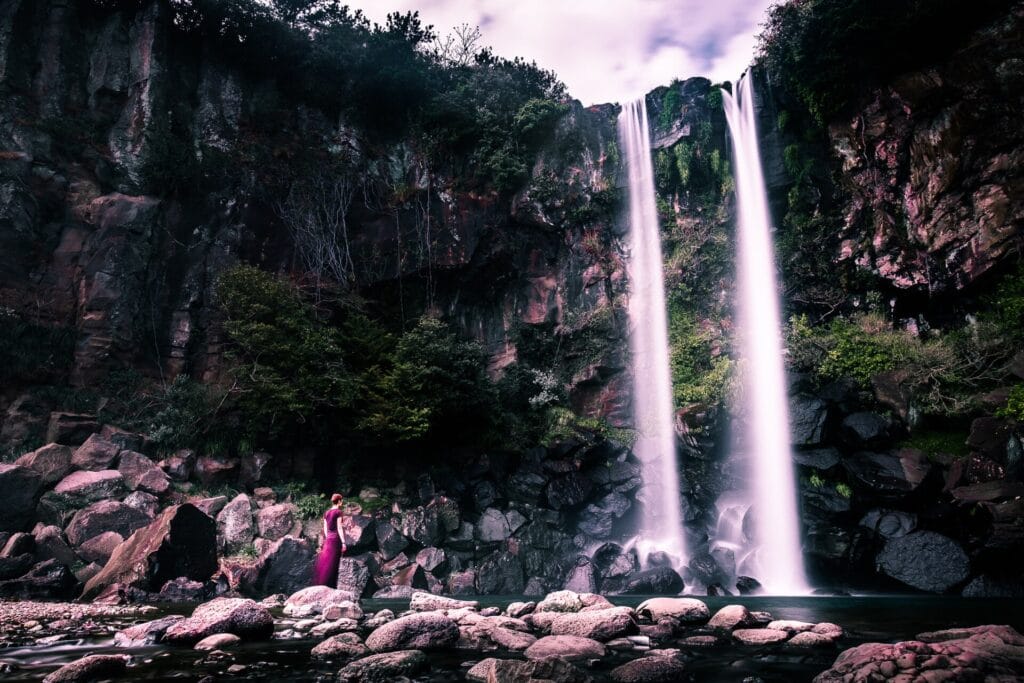
The cherry-blossom peak in Seoul lands around April 8 in 2026, and that single week drives spring’s highest flight and hotel prices. The smarter spring window is late May: the blossom crowds have gone, the summer rush has not started, and daytime highs sit in a comfortable low-20s Celsius range without the August humidity. Autumn’s honest sweet spot is mid-October, when Seoul averages roughly 19C by day and 10C at night and the foliage peaks at spots like Namsan, just after the holiday surge clears.
What each stretch actually delivers:
- Spring (April-May): blossoms early April, then warm, dry, settled weather through May.
- Autumn (October-November): crisp foliage in October; November cools fast to highs near 12C.
- Summer (July-August): the period to skip. The jangma monsoon runs roughly late June through late July, dumping much of the year’s rain on Seoul, and August is the hottest month, pushing toward 35C with typhoon risk lingering into September.
One dated trap: Chuseok falls September 24-27 in 2026. Trains sell out, hotels in Seoul and Busan fill, and family-run restaurants close for days, so book well ahead or shift your dates.
Frequently Asked Questions
Are there major festivals in South Korea?
Yes — South Korea hosts notable events including: Jinhae Gunhangje Cherry Blossom Festival (late Mar-early Apr), Boryeong Mud Festival (Jul), Jinju Namgang Yudeung Lantern Festival (Oct), Andong Maskdance Festival (late Sep-early Oct). Major festivals can spike hotel prices 50-200% — book 3-6 months ahead if attending.
What should I pack for South Korea?
Pack for the season you’re visiting and the climate zone. Summer in South Korea: lightweight breathable clothes, sunscreen, hat, comfortable walking shoes. Winter: layers, waterproof jacket, warm accessories. Check the 10-day forecast 1-2 weeks before departure and adjust.
Related South Korea Travel Guides
Related Articles
- South Korea Visa Requirements: The Complete Guide
- How Much Does a Trip to South Korea Cost?
- Japan vs South Korea: Which Should You Choose? (2026 Real Take)
- 15 Best Things to Do in Auckland, New Zealand (Real Guide)
South Korea weather & climate by month
Best months to visit: May, June, August, September, October. South Korea’s warmest month is July (avg 29°C / 84°F), the coolest is January (low -7°C / 20°F). The wettest is July (414 mm) and the driest is January.
| Month | Avg high | Avg low | Rainfall | Rainy days |
|---|---|---|---|---|
| January | 2°C / 36°F | -7°C / 20°F | 17 mm | 3 |
| February | 5°C / 42°F | -5°C / 23°F | 28 mm | 3 |
| March | 12°C / 54°F | 0°C / 33°F | 37 mm | 5 |
| April | 17°C / 63°F | 6°C / 43°F | 73 mm | 7 |
| May | 23°C / 73°F | 12°C / 53°F | 104 mm | 7 |
| June | 26°C / 79°F | 18°C / 64°F | 130 mm | 8 |
| July | 29°C / 84°F | 22°C / 71°F | 414 mm | 13 |
| August | 29°C / 83°F | 22°C / 72°F | 348 mm | 12 |
| September | 25°C / 77°F | 17°C / 63°F | 142 mm | 7 |
| October | 18°C / 65°F | 9°C / 48°F | 52 mm | 5 |
| November | 11°C / 53°F | 2°C / 35°F | 51 mm | 6 |
| December | 3°C / 37°F | -6°C / 22°F | 23 mm | 4 |
Climate source: Open-Meteo / WMO climate normals (WMO 1991–2020, or ERA5 2019–2023 where unavailable). Compare destinations in the Best Time to Visit Index.
You Might Also Love


Written by
John Morrison is the founder and lead travel writer at Packzup. Over the past decade he has explored destinations across Africa, the Americas, Asia, Europe, the Middle East, and Oceania — always self-funded, never on a press trip.
