
Last updated September 1, 2026 · Editorial policy
Quick answer: 10-day Costa Rica itinerary. Best months: December-April (dry season). November and May are shoulder. Avoid September-October peak rains. Total cost: US$1800-2600 mid-range / US$4500+ luxury per person. Includes rental + accommodation + activities. Excludes flights.
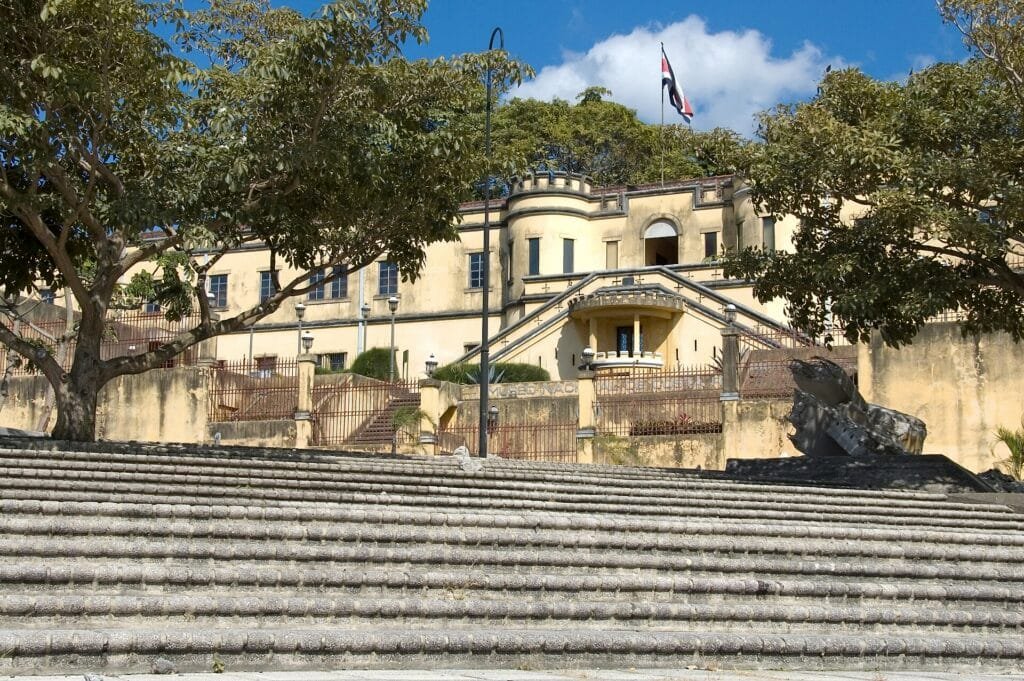
Ten days in Costa Rica covers the classic triangle — Arenal Volcano + Monteverde Cloud Forest + Pacific Coast beach. This itinerary uses a 4WD rental (essential for off-pavement Monteverde) and includes specific wildlife-viewing operators built across 2 personal Costa Rica trips.
Costa Rica itineraries by trip length
Still deciding? Compare: Mexico vs Costa Rica · Costa Rica vs Panama
Day-by-day breakdown
Day 1 — Landing in San Jose
Fly into Juan Santamaria International Airport in Alajuela, just outside San Jose. Skip the busy capital center and base yourself in leafy Alajuela or nearby Escazu for an easy first night. A pre-booked private airport transfer runs roughly ₡20,000–30,000 (about $35–55), while an official orange Taxi Aeropuerto is a touch cheaper. Shake off the flight with a stroll around Parque Central de Alajuela under its mango trees, then have an early dinner of casado — the national plate of rice, beans, plantain, salad and your choice of protein — at a local soda for around ₡4,500 (roughly $8). Planning note: buy a Kolbi or Claro tourist SIM at the airport arrivals hall for a few dollars; coverage is solid in towns and patchy in the deep rainforest, so download offline maps before you leave. Turn in early — tomorrow starts before dawn.
Day 2 — Into the Tortuguero Canals
Continue planning your Costa Rica trip
Rise early for the transfer to Tortuguero on the roadless Caribbean coast. Most travelers book a lodge package that includes the drive to the La Pavona dock (about 3 hours from San Jose) and the boat through the canals to the village, though a 25-minute domestic flight with Sansa from San Jose is a splurge alternative. The public boat from La Pavona costs only a few dollars, but a lodge shuttle simplifies everything. Arrive by lunch, settle into a canal-side lodge, and spend the afternoon on your first boat tour weaving through the narrow waterways of Tortuguero National Park, watching for spider monkeys, caimans, herons and river turtles. Planning note: sit on the shaded side of the boat and bring binoculars — the guides spot far more than you will unaided. Dinner is typically included at your lodge; try the Caribbean-style rice and beans cooked in coconut milk, known locally as rice and beans.
Day 3 — Turtles and Rainforest
Devote the morning to Tortuguero National Park proper. Park entry is about $17 (roughly ₡9,000) per adult, usually arranged through your guide, who paddles or motors you along the main canals and side channels at first light when wildlife is most active. Watch for the vivid green-and-black poison dart frogs, three-toed sloths and toucans. Because you are visiting between July and October, you have hit peak green sea turtle nesting season on Tortuguero beach — book a licensed night walk (around $25, or ₡13,000) through your lodge to watch females haul ashore and lay their eggs under red-filtered light. Planning note: night tours run in small guided groups with no flash photography and no white lights allowed, so bring a red headlamp if you have one. Spend the afternoon relaxing at the lodge or exploring the village boardwalk before an early night — a long transfer west awaits.
Day 4 — West to Arenal
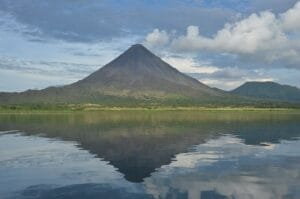
Leave the Caribbean behind and head northwest to La Fortuna, gateway to Arenal Volcano. The journey means a boat back to La Pavona and a shared or private shuttle across the country; count on 5–6 hours door to door, and expect a private transfer to run roughly $180–250 for the leg. Break the drive with a stop in the farming town of Guapiles or Muelle. Arrive in La Fortuna by mid-afternoon and check into a hotel with a view of the near-perfect cone of Arenal. Stretch your legs on the town’s compact grid, centered on the church-facing Parque La Fortuna. For dinner, seek out a spot serving chifrijo — a bowl of rice, beans, crispy pork and pico de gallo — for around ₡5,000 (about $9). Planning note: the clearest volcano views usually come at dawn, so set an alarm and step outside before the clouds gather.
Day 5 — Volcano and Hot Springs
Spend today around Arenal Volcano National Park. Enter the park (about $15, roughly ₡8,000) and hike the Sendero Los Coladas lava-field trail, which crosses hardened flows from the volcano’s active decades and ends at a lookout over Lake Arenal. Alternatively, walk the treetop Mistico Arenal Hanging Bridges, a 3-kilometer loop of trails and suspension bridges through primary rainforest (admission around $30, or ₡16,000; a guide sharply improves your wildlife sightings). In the late afternoon, soak in the region’s geothermal hot springs — options range from free riverside pools at the Rio Chollin (Tabacon river) near the Tabacon resort to lavish landscaped complexes costing $40–80. Planning note: the free hot river is best in daylight for safety and gets busy at sunset, so go earlier and keep valuables locked away. Refuel with a hearty olla de carne beef-and-vegetable stew back in town.
Day 6 — La Fortuna Waterfall
This morning, tackle the La Fortuna Waterfall (Catarata Rio Fortuna), a thundering 70-meter cascade managed by the local ADIFORT community association. Entry is about $18–20 (roughly ₡10,000), and a well-built staircase of around 530 steps drops you to the base — a 10–20 minute descent and a sweatier climb back up. Swimming near the falls is dangerous due to the current, but the calmer pools just downstream are refreshing. Go right at opening (around 7am) to beat both crowds and the midday heat. Afterward, consider a short visit to a nearby sloth sanctuary or a chocolate-and-coffee farm tour to understand Costa Rica’s cacao and bean-to-bar traditions. Planning note: wear proper footwear — the steps are steep and slick with spray. Back in La Fortuna, treat yourself to a fresh fruit batido (smoothie), blended with milk or water, for around ₡2,500 (about $4.50) at any casual soda in town.
Day 7 — Crossing to Monteverde
Cross from the volcano to the cloud forest via the scenic jeep-boat-jeep transfer, one of Costa Rica’s most enjoyable travel legs. A minibus carries you to the shore of Lake Arenal, a boat glides across the water with volcano views behind you, and a second vehicle climbs the winding road up to Monteverde. The shared service costs about $33–40 per person and takes roughly 3.5–4 hours hotel to hotel — far more pleasant than the four-hour drive around the lake on rough roads. Arrive in the mountain village of Santa Elena by early afternoon; the air is cool and misty, so pack a light layer. Settle in, then wander Santa Elena’s small center for a coffee. Planning note: book any next-day reserve or zipline tickets tonight, as Monteverde’s parks now cap daily visitors and walk-ins are often turned away. Dinner of trout or a classic casado caps the day.
Day 8 — Cloud Forest Day
Give the full day to the famous Monteverde Cloud Forest Reserve. As of late 2025 the reserve offers timed circuit tickets at about $29 per adult (roughly ₡15,000); the Heart of the Forest or Continental Divide trails include a suspension bridge and the best chance of spotting the resplendent quetzal, especially in the early morning. Hiring a naturalist guide (around $30–50) dramatically increases sightings — their trained eyes and scopes find bellbirds, sloths and orchids you would walk right past. For an adrenaline afternoon, add hanging bridges or a zipline canopy tour at nearby Selvatura Park or Sky Adventures (bridges around $35), soaring above the treetops in the cloud layer. Planning note: bring a rain jacket regardless of the forecast — the cloud forest earns its name almost daily. In the evening, consider a guided night walk to spot tarantulas, sleeping birds and the elusive kinkajou.
Day 9 — Down to Manuel Antonio
Descend from the highlands toward the Pacific and the beaches of Manuel Antonio. It is a longer travel day — roughly 4.5–5 hours by private transfer (about $200–280) or a combination of shuttle and public bus — as the road winds down out of Monteverde before joining the coastal Costanera highway south through the palm-oil plantations near Quepos. Arrive by mid-afternoon and check into a hotel along the ridge road, many with sweeping ocean views. Spend the late afternoon on Playa Espadilla, the long public beach just outside the national park, watching the sun drop into the Pacific. Planning note: keep a close eye on your belongings and never leave food unattended — the white-faced capuchin monkeys here are bold and quick. For dinner, one of the cliffside restaurants along the main road serves fresh ceviche and whole fried snapper with a view worth lingering over.
Day 10 — Beaches and Farewell
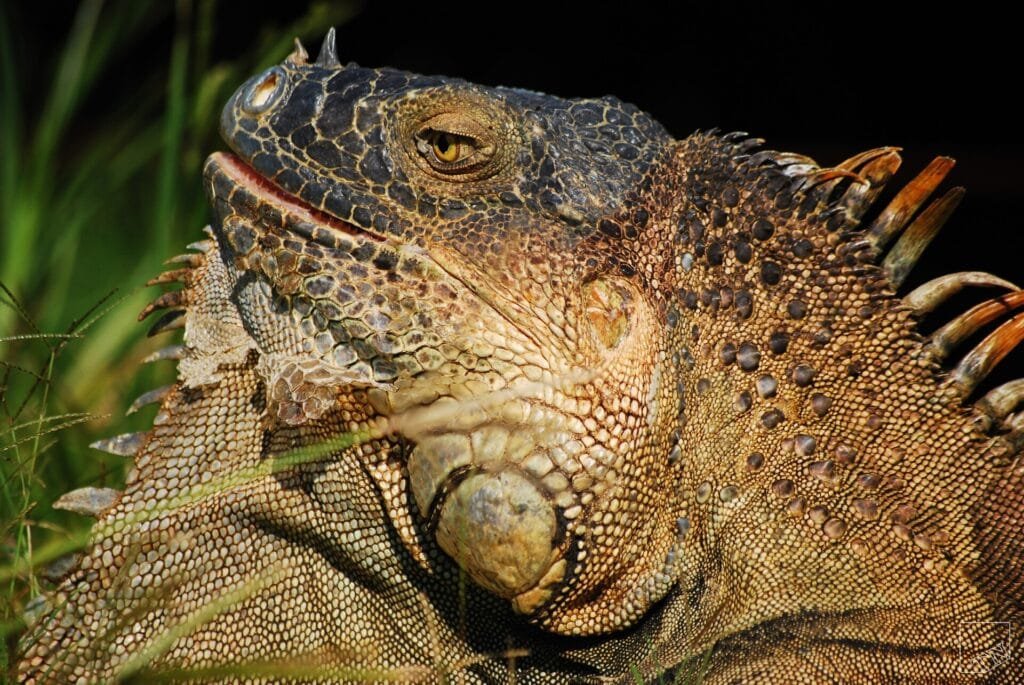
On your final full day, visit Manuel Antonio National Park, Costa Rica’s most beloved coastal reserve. Reservations are mandatory through the official SINAC website and must be bought in advance — the park caps daily entries and sells out days ahead in peak season, and the entrance booth does not sell same-day tickets. Adult admission is about $18 (roughly ₡9,500). Note the park is closed Tuesdays, so plan accordingly. Arrive at the 7am opening to beat the heat and catch active wildlife: three-toed sloths, iguanas, and both capuchin and squirrel monkeys along the well-marked trails. The reward is the postcard-perfect Playa Manuel Antonio, a crescent of calm, swimmable water inside the park. Planning note: hire a park guide with a scope at the entrance (around $25–30 per person) — you will see far more wildlife. In the afternoon, transfer back toward San Jose (about 3 hours) for your departure, savoring a last gallo pinto breakfast tomorrow.
What to book ahead
- 4WD rental: Essential for Monteverde road. Book 1 month ahead for December-April. Cheapest: Adobe Rent A Car ($60-80/day).
- Manuel Antonio National Park: Online reservation required since 2023. Book 1-2 days ahead. ~$18/person.
- Cloud Forest reserve: Limited entry. Book 3-5 days ahead. ~$25/person.
- Zipline Monteverde: Multiple operators. Selvatura is most popular. Book 2-3 days ahead.
A local planning note
Skip Manuel Antonio Beach (often closed for park preservation) and visit Playa Espadilla south of the park entrance instead. Same Pacific Coast, less crowded, easier parking. The ‘wildlife’ you’ll see on the road from Manuel Antonio to Quepos is incredible — capuchin monkeys cross constantly.
Best time for this trip
December-April (dry season). November and May are shoulder. Avoid September-October peak rains.
The Routing Mistake That Costs You a Whole Day (and How to Fix It)
The single error that wrecks this loop is treating San Jose (SJO) as both your entry and exit. Tacking Tamarindo onto the end forces a 4.5-hour, roughly 260 km drive back to SJO on day 10, after you already burned 5.5 to 7 hours getting from Manuel Antonio up to Guanacaste. That is a day and a half of windshield time for a beach you could have reached in about an hour from elsewhere.
The fix is an open-jaw rental: fly into SJO, drop the car at Liberia (LIR), and fly home from there. Tamarindo sits roughly 60 km from LIR, around a one-hour paved run, so it becomes your relaxed final stop instead of a slog back inland. The one-way drop fee runs about US$80 to US$150, far cheaper than a wasted day.
Two more sequencing calls worth making:
- Between La Fortuna and Monteverde, skip the long gravel drive and book the shared Jeep-Boat-Jeep across Lake Arenal (about a 40-minute boat leg, roughly 3.5 hours total, around US$33 to US$40 per person).
- Drive the Monteverde approach in daylight only; the final stretch is around 45 minutes of unpaved switchbacks.
Frequently asked questions
Is 10 days enough for Costa Rica?
Yes for the classic triangle + one coast. 14 days adds Caribbean side (Puerto Viejo) or Corcovado National Park.
How much does 10 days in Costa Rica cost?
Backpacker: US$900-1200. Mid-range: US$1800-2600. Luxury: US$4500+. Includes rental.
When is the best time for Costa Rica?
December-April dry season. Best wildlife viewing March-April (peak dry, animals concentrate at water).
Should I rent 4WD in Costa Rica?
Yes for Monteverde (last 1h is rough gravel). For Pacific Coast only, regular sedan is fine.
Are roads good in Costa Rica?
Main roads excellent. Some scenic routes (Monteverde, Corcovado access) are rough gravel. Don’t drive after dark.
Plan your Costa Rica trip
Best time to visit Costa Rica (real climate data)
Best months: January, February, March, April, December.
Costa Rica’s warmest month is April (avg 27°C / 80°F), the coolest is January (low 16°C / 60°F). The wettest is September (320 mm) and the driest is January.
Source: Open-Meteo / WMO climate normals (WMO 1991–2020, or ERA5 2019–2023 where unavailable). See the full month-by-month weather →
You Might Also Love


Written by
John Morrison is the founder and lead travel writer at Packzup. Over the past decade he has explored destinations across Africa, the Americas, Asia, Europe, the Middle East, and Oceania — always self-funded, never on a press trip.
Trip prep: before you travel, plan what to wear, check the tap water, sort your mobile data, and see if it is a cash or card country, and skim local etiquette.
