
Last updated August 22, 2026 · Editorial policy
Costa Rica is generally safe for tourists. Like any destination, common-sense precautions apply, but violent crime against travelers is rare. This guide covers the real safety situation in Costa Rica — no sensationalism, just practical advice based on current conditions and traveler reports.
The Short Answer: Yes, Costa Rica is generally moderately safe for tourists (7/10). Standard travel precautions apply — watch for petty theft in tourist areas, use licensed transport, and keep valuables secured. Most visitors experience no safety issues.
More: When to visit Costa Rica · Costa Rica travel guide
The Real Safety Picture
Yes, Costa Rica is safe to visit. The vast majority of travelers have incident-free trips. Standard travel precautions are all you need.
What Actually Goes Wrong in Costa Rica
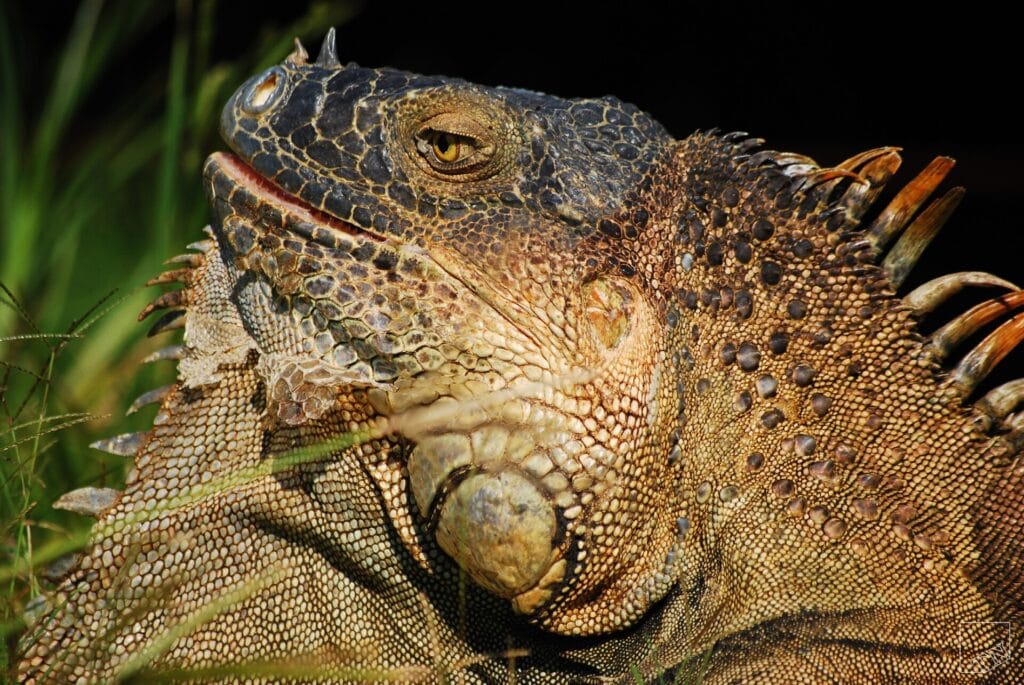
The most common issues travelers face: Petty theft (beach belongings, rental car break-ins), riptides, wildlife encounters, driving conditions.
Important context: most of these risks are avoidable with preparation. Violent crime against tourists is very rare.
How to Stay Safe
Continue planning your Costa Rica trip
Never leave valuables in parked cars or on beaches. Use hotel safes. Swim only at lifeguarded beaches. Shake out shoes before wearing (scorpions). Drive 4×4 in rainy season. Purchase travel insurance covering adventure activities.
Where Not to Go
Downtown San José after dark, Limón city center. The country is otherwise one of Latin America’s safest destinations.

Is Costa Rica Safe for Solo Female Travelers?
Solo female travelers generally report positive experiences with standard precautions — stay in well-reviewed accommodations, avoid isolated areas after dark, and trust your instincts.
If Something Goes Wrong
Emergency number: 911. Register with your country’s embassy before arrival. Keep digital and physical copies of your passport, insurance, and emergency contacts.
What’s actually risky, town by town, versus what’s overblown
The single most common tourist incident here isn’t a mugging, it’s a bajonazo: a smash-and-grab on a rental car left at a trailhead or beach parking lot. It hits a small but real slice of renters, and it’s almost always preventable by leaving nothing visible and the glovebox open and empty. After dark, Jacó’s party strip and Puerto Viejo’s beach paths are where people get hassled, mostly with drugs pushed openly on the sand rather than violence. Puerto Limón city is the genuine “use real caution” spot, with regular armed-robbery and gang reports, but note that’s the port town, not laid-back Puerto Viejo down the coast, which keeps a solid daytime safety record and is best navigated by the bikes everyone rents.
What’s overblown? The idea that the whole country is dangerous. The thing that actually kills tourists is water, not crime. Most Pacific and Caribbean beaches have no lifeguard, and rip currents are strong year-round. If one grabs you, swim parallel to shore until it releases you, then angle in.
- Skip night beach walks in Jacó and Tamarindo; that’s where the rare serious incidents cluster.
- Book stays on the platform’s official site, not DM offers, to dodge the fake-rental scam.
FAQ
Is Costa Rica safe for tourists in 2026?
Yes, Costa Rica is safe to visit. The vast majority of travelers have incident-free trips. Standard travel precautions are all you need.
What are the main safety concerns in Costa Rica?
Petty theft (beach belongings, rental car break-ins), riptides, wildlife encounters, driving conditions.
What areas should tourists avoid in Costa Rica?
Downtown San José after dark, Limón city center. The country is otherwise one of Latin America’s safest destinations.
More Costa Rica Travel Guides
Costa Rica Budget Guide · Costa Rica in December · Costa Rica in January
You Might Also Love





Written by
John Morrison is the founder and lead travel writer at Packzup. Over the past decade he has explored destinations across Africa, the Americas, Asia, Europe, the Middle East, and Oceania — always self-funded, never on a press trip.
Good to know: staying healthy abroad starts with the water — see where the tap water is safe to drink, and dodge the classics with travel scams by country.
Checking other destinations? Is Cuba safe? · Is the Dominican Republic safe? · Is Egypt safe? · Is India safe?