
Last updated September 11, 2026 · Editorial policy
Quick verdict: Japan is the WORLD’S most family-friendly travel destination — exceptional safety + kid-fascinating culture + endless attractions for ages 3-15. Refined across 4 personal Japan trips, including 2 with kids.
More: When to visit Japan · Japan travel guide
8 best family activities in Japan
Tokyo Disneyland or DisneySea
Ages 4+ | $80-100/person
DisneySea is unique to Japan + most magical Disney park ever built. Most-visited park in Asia. Kids OBSESSED.
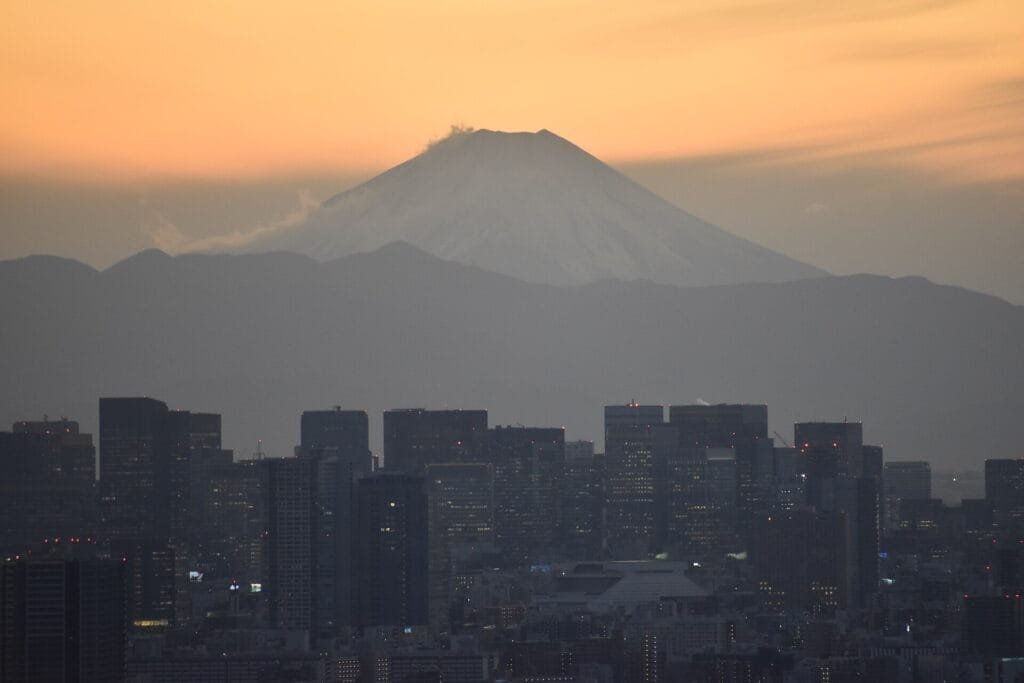
Mt. Fuji + Hakone Day Trip
Ages 5+ | $50-80/family
Cable car + boat cruise + sulfur valley + onsen. Mt. Fuji views. Day trip via Hakone Free Pass ($50).
Tsukiji Outer Market Food Tour
Ages 7+ | $50-100/family
Walking food tour. Kids 7+ love trying weird Japanese candies + fresh seafood. Educational + delicious.
Ghibli Museum
Ages 6+ | $10/person
Studio Ghibli films (Totoro, Spirited Away) for kids who love anime. Books out 1+ month ahead. Lawson.co.jp.
Robot Restaurant or VR Park Tokyo
Ages 7+ | $70-120/family
Tokyo bizarre over-the-top entertainment. VR Park is hands-on. Kids fascinated by tech.
Asakusa + Senso-ji + Sumida River boat
Ages 5+ | $30-50/family
Traditional Japan + boat ride on Sumida River. Sky Tree adjacent. Easy stroller-friendly walking.
Nara Deer Park
Ages 3+ | $5/family
Hand-feed deer + Todai-ji Great Buddha temple. Most family-magical day trip in Japan. From Kyoto (45 min).
Universal Studios Japan
Ages 6+ | $80-100/person
Super Nintendo World — Mario themed land. Wizarding World of Harry Potter. Most-loved Japan theme park.
Compare Japan family tours →
What kids pay on trains: JR Pass, child fares, and the under-6 free rule
Train budgeting in Japan hinges on your kids’ ages, because the cutoffs are strict. A child is anyone aged 6 to 11; from the day a child turns 12 (or enters middle school), they pay full adult fare.
- Under 6 rides free. Up to two children aged 1–5 travel free per accompanying adult in non-reserved cars — so two parents can carry four little ones at no cost. The catch: a free child gets no seat. Want a guaranteed seat for a toddler? Buy a child ticket.
- Ages 6–11 pay exactly half. This applies to base fares, limited-express surcharges, and reserved-seat fees alike.
- The JR Pass is half-price for kids. As of 2026 the nationwide 7-day Ordinary pass is ¥50,000 adult / ¥25,000 child (14-day ¥80,000/¥40,000; 21-day ¥100,000/¥50,000). Note prices rise roughly 5–6% on overseas-bought passes from October 1, 2026 (7-day adult → ¥53,000), so buying through the official online service early locks the old rate.
For day-to-day trains and buses, get each 6–11-year-old a child IC card (Welcome Suica Child, child PASMO, or ICOCA) — it auto-deducts the half fare at the gate. You’ll need the child’s passport for verification at a JR EAST Travel Service Center or airport counter to buy one.
Strollers, suitcases, and the bullet train: moving heavy gear without the stress
The single best move for a family on the move is to ship your suitcases ahead. Yamato Transport’s takkyubin (look for the black-cat logo, also called TA-Q-BIN) delivers a standard suitcase hotel-to-hotel for roughly ¥2,000–¥3,000 — a Tokyo–Osaka size-140 bag runs about ¥2,500, a size-160 about ¥2,900. Hand your bags to the hotel front desk the day before, then board the Shinkansen carrying only a day pack. Allow about a full day for delivery.
- Strollers are exempt from the oversized-baggage rules and do not need to be folded on board. That said, on the Tokaido, Sanyo, Kyushu and Nishi-Kyushu Shinkansen, any bag with combined dimensions over 160cm needs a (free) reserved oversized-baggage seat — skip it and you’ll owe a ¥1,000 fee. Anything over 250cm is banned outright. Forwarding your big bags sidesteps this entirely.
- Conventional (non-Shinkansen) lines have no oversized-baggage reservation rule, so your local commutes are simpler.
In stations, follow signs to elevators rather than escalators with a stroller, and use the wide accessible ticket gate. Tokyo’s network is heavily elevator-equipped, but transfers can be long — a baby carrier is worth packing for crowded rush-hour stretches.
Where to sleep and how to handle baby logistics on the ground
A family-friendly ryokan is one of the easiest stays with little kids. The tatami floor is forgiving for crawlers, futons laid on the floor eliminate bed-fall worries, and meals are served in-room — so toddler meltdowns stay private. Aim for a room of 10 tatami mats or larger, and ask whether the property offers a private/reservable onsen bath (essential, since most public baths bar babies in diapers). Many ryokan supply child-size yukata robes and slippers, Western kids’ plates like hamburger steak and fried shrimp, and dedicated baby plans: properties such as Shiunso in Hakone-Yumoto stock diaper bins, baby soap, Bumbo chairs and bottle warmers in-room.
- Baby rooms are everywhere. Nearly every department store (Isetan, Mitsukoshi, Daimaru) and mall (AEON, LaLaport) has a nursing room with cushioned changing tables, private breastfeeding booths, hot-water dispensers for formula, microwaves, and sometimes diaper vending machines. Look for signs reading ベビールーム (baby room) or 授乳室 (nursing room); the free MamaPapaMap app pinpoints the nearest one.
- Restock at Akachan Honpo. This baby superstore has ~127 locations nationwide (about 13 in Tokyo), usually inside large malls, carrying formula, diapers, baby food, clothes and gear — so you can pack light and buy on arrival.
Helpful Packzup guides
Frequently asked questions
Is Japan safe for kids?
Best Japan age for kids?
Best Japan family destination?
Stroller-friendly Japan?
Japan with kids cost?
Updated 2026. Some links on Packzup are affiliate links.
You Might Also Love


Written by
John Morrison is the founder and lead travel writer at Packzup. Over the past decade he has explored destinations across Africa, the Americas, Asia, Europe, the Middle East, and Oceania — always self-funded, never on a press trip.
