

February is the best month to visit India, and it is not a close call. The northern fog has lifted, the heat has not arrived, Delhi sits at a comfortable 23°C by day, Rajasthan is perfect, the south is dry, and the Himalayan foothills are clear. Nothing else in the Indian calendar combines this much good weather with this few compromises.
Why February wins
The Indian year is a contest between fog, heat and monsoon, and February is the short window when none of them applies:
- The fog has gone. Northern flights and trains run to schedule again, and the Taj Mahal is visible at sunrise.
- The heat has not started. Delhi and Rajasthan reach the low-to-mid twenties rather than the high thirties of April.
- The monsoon is months away. Rainfall is negligible nearly everywhere.
- Everything is open. Hill stations, the desert, the backwaters, the beaches and the wildlife parks are all in season simultaneously – which is true of no other month.
Weather by region
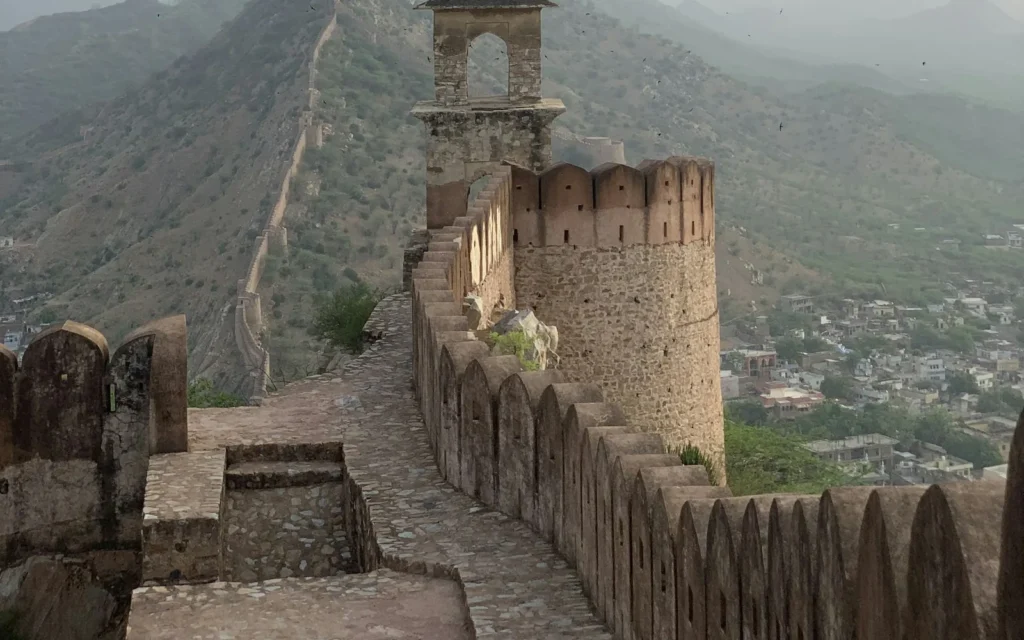
- Delhi and the north – about 23°C by day and 11°C at night, dry and clear. The most pleasant northern weather of the year.
- Rajasthan – warm days in the high twenties, cool nights. Jaisalmer and the desert camps are at their best.
- Goa and the Konkan – dry and sunny at around 32°C, busy but easing from the January peak.
- Kerala and the south – warm and dry; the backwaters, Munnar and the beaches all working.
- Central India – the best wildlife month is approaching. Kanha, Bandhavgarh, Ranthambore and Pench are dry and comfortable, with sightings improving as water sources shrink.
- The Himalaya – foothills are clear and beautiful; high passes remain closed; Gulmarg is in ski season.
Wildlife: the season turns
Continue planning your India trip
February is when India’s tiger reserves become genuinely good. As the dry season deepens, animals concentrate around remaining water and visibility through the forest improves. Ranthambore, Bandhavgarh, Kanha, Pench, Tadoba and Kaziranga are all open and comfortable – March to May gives even better sightings but at punishing temperatures, which makes February the best compromise.
Book safari permits well ahead; most parks cap vehicle numbers per zone and the good zones sell out.
Festivals
- Maha Shivaratri, in late February or early March depending on the lunar calendar – all-night vigils and temple queues, most intense at Varanasi, Ujjain and Khajuraho.
- Goa Carnival, in the days before Lent – in 2027, Ash Wednesday falls on 10 February, so the carnival is in the first week. Panjim holds a float parade; it is a Portuguese inheritance and unlike anything else in India.
- The Khajuraho Dance Festival, usually in February, staged against the temples.
- The Taj Mahotsav in Agra, a ten-day crafts and culture fair usually from 18 February.
- Surajkund Crafts Mela near Delhi, in the first half of February.
Prices and crowds
High season, and the busiest month for foreign visitors. Rajasthan, Kerala and the wildlife parks all run at peak rates, and the popular heritage hotels book out months ahead. It is worth paying it: the difference in comfort between February and April is enormous.
See the cost of travelling India.
What to pack
Light cotton for the day and a warm layer for the evening – northern and desert nights are still cold. Add modest temple clothing, closed shoes for safaris, strong sun protection and a scarf, which serves for dust, sun and covering your head at religious sites. See what to pack for India.
The February 2027 calendar
- First week – Goa Carnival, ahead of Ash Wednesday on 10 February.
- First half – the Surajkund Crafts Mela near Delhi.
- Mid February – the Khajuraho Dance Festival, staged against the temples.
- From about 18 February – the Taj Mahotsav in Agra, ten days of crafts, food and performance.
- Late February or early March – Maha Shivaratri; all-night temple vigils, heaviest at Varanasi and Ujjain.
- Through February – tiger reserves at their best combination of comfort and sightings.
- Through February – peak foreign-visitor season; heritage hotels booked months ahead.
Read alongside
- India in January – peak season, Republic Day and the fog.
- India in March – Holi, and the first real heat.
- Best time to visit India – all twelve months compared.
- India 2-week itinerary – a route built for this month.
- Cost of travelling India – high-season numbers.
- What to pack for India – the winter list.
- India travel guide – regions and how to combine them.
Frequently asked
Is February the best month to visit India?
For most trips, yes. The northern fog has lifted, the heat has not arrived, the monsoon is months away, and hill stations, desert, backwaters, beaches and wildlife parks are all in season at once – which is true of no other month.
How warm is India in February?
Delhi averages about 23°C by day and 11°C at night, Rajasthan reaches the high twenties with cool nights, Goa sits near 32°C, and the south is warm and dry throughout.
Is February good for wildlife in India?
Yes – it is the best balance of the year. Sightings improve as water sources shrink and the forest thins, while temperatures stay comfortable. March to May gives better sightings but in serious heat.
When is the Goa Carnival in 2027?
In the days before Lent. Ash Wednesday falls on 10 February 2027, which puts the carnival in the first week of the month, with the main float parade in Panjim.
Is India crowded in February?
It is the busiest month for foreign visitors. Rajasthan, Kerala and the wildlife parks run at peak rates and the heritage hotels book out months ahead, so reserve early.
Is the Taj Mahal clear in February?
Yes. The winter fog that obscures it in December and January has generally lifted, so sunrise visits work. It remains closed to tourists on Fridays year-round.
What is Maha Shivaratri?
A night-long Shiva festival falling in late February or early March, with vigils, fasting and enormous temple queues. Varanasi, Ujjain and Khajuraho see the most intense observances.
Can you go to Ladakh in February?
Only by air, and it is deep winter: the road passes are closed and temperatures are far below freezing. The Himalayan foothills – Rishikesh, Dharamshala, Darjeeling – are the accessible mountain option.
You Might Also Love

Written by
John Morrison is the founder and lead travel writer at Packzup. Over the past decade he has explored destinations across Africa, the Americas, Asia, Europe, the Middle East, and Oceania — always self-funded, never on a press trip.
