
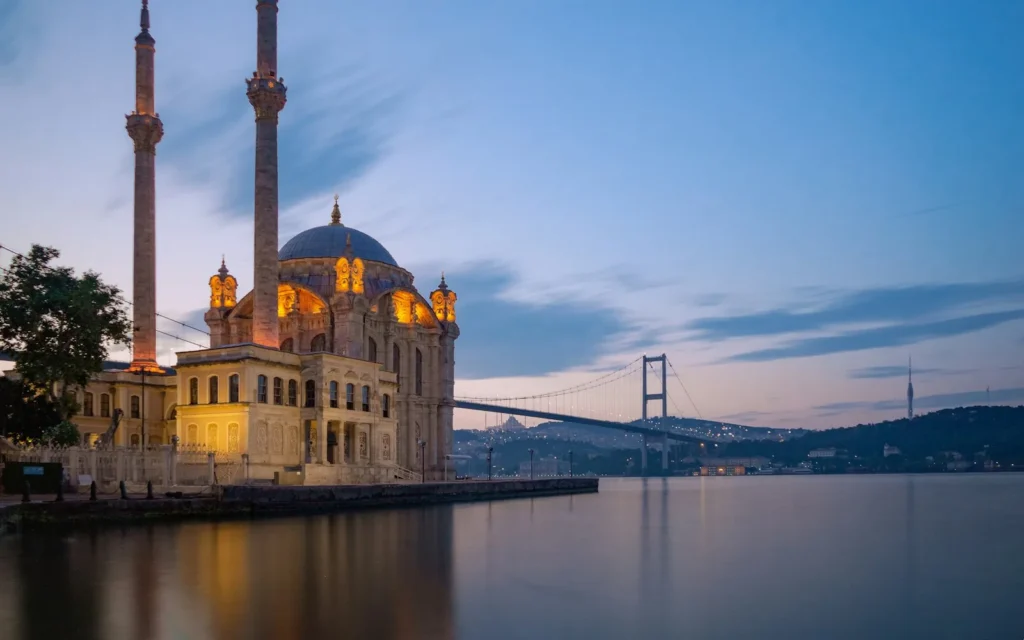
January is the cheapest month in Istanbul and the only one where you can walk into Hagia Sophia without a queue. The city sits at about 10°C by day and 4°C at night, with roughly 100 mm of rain – grey, damp and wind-blown off the Bosphorus – and occasionally under snow. It is a hammam, museum and long-dinner month, and the city belongs entirely to the people who live in it.
The monuments, finally empty
From April to October, Sultanahmet is one of the most congested squares in Europe. In January it is not. Hagia Sophia, the Blue Mosque, Topkapi Palace, the Basilica Cistern and the Archaeological Museums are all approachable, and the difference is measured in hours rather than minutes.
Two practical notes that matter year-round but especially when you are planning tightly:
- Hagia Sophia functions as a working mosque. Visitor access, the upper gallery arrangement and ticketing have changed more than once in recent years, and it closes to visitors around prayer times. Check the current rules before you go rather than relying on an older guide.
- Several major museums have a weekly closing day and the Grand Bazaar closes on Sundays. Confirm each one for the day you plan to visit.
Weather, and the two winds
Istanbul in January averages about 10°C by day and 4°C at night, with around 100 mm of rain spread across the month. The temperature is not the problem; the wind is.
- The poyraz blows from the north-east, cold and dry, and makes 10°C feel like 4°C on an exposed ferry deck.
- The lodos blows warm and hard from the south-west. It lifts the temperature, and it is also the wind that suspends Bosphorus ferry services – which matters if your plan depends on crossing to the Asian side or reaching the Princes’ Islands.
Snow does happen, perhaps once or twice a winter, and Istanbul handles it poorly: flights are delayed and the city slows. It is also, briefly, extraordinarily beautiful.
What January is for
- Hammams. The historic bathhouses – Cemberlitas, Cagaloglu, Kilic Ali Pasa – make complete sense at 10°C and are the single best thing to do on a wet afternoon.
- Winter street food. Roast chestnuts and corn on every corner, balik ekmek mackerel sandwiches at Eminonu, and salep and boza sold in the evenings – the latter a fermented millet drink that is an acquired taste and a genuine Istanbul institution.
- Meyhane evenings. Long tables of meze and raki in Beyoglu and Kadikoy, which is what the city does instead of complaining about the weather.
- The museums. The Archaeological Museums, the Chora, the Pera and Istanbul Modern all work regardless of rain.
- Neighbourhood walking – Balat, Fener, Kuzguncuk and Kadikoy are better without crowds.
Getting around
Buy an Istanbulkart on arrival – it works on the metro, trams, buses, funiculars and the ferries, and single tickets cost noticeably more. The Bosphorus ferry is the best value sightseeing in the city at any time of year, and in January you will have a seat inside.
Both airports are a long way out: Istanbul Airport is roughly 40 km north-west of the centre and Sabiha Gokcen sits on the Asian side. Allow properly for transfers, particularly in January weather.
Prices and crowds
The annual low. Hotel rates in Sultanahmet, Beyoglu and Karakoy are at their cheapest, flights are inexpensive, and restaurants that need booking in spring will seat you the same evening. Only the first days of January carry New Year pricing.
See the Istanbul travel budget.
What to pack
A warm, genuinely windproof and waterproof coat – this matters more than thickness. Add layers, shoes with grip for wet cobbles and the steep streets of Galata and Balat, and modest clothing for mosques: covered shoulders and knees for everyone, and a headscarf for women, which the major mosques lend at the door. See the Istanbul travel guide.
The January 2027 calendar
- Friday 1 January – New Year’s Day, a public holiday; the city is quiet and many places closed.
- From about 3 January – the cheapest weeks of the Istanbul year begin.
- Through January – Sultanahmet’s monuments at their quietest; short or no queues.
- Through January – chestnut, salep and boza season on the streets.
- Any lodos day – Bosphorus ferries may be suspended; have a land-based fallback.
- Sundays – the Grand Bazaar is closed.
- Around 8 February – Ramadan is expected to begin, so January falls entirely outside it.
Read alongside
- Istanbul in February – the coldest month and the start of Ramadan.
- Best time to visit Istanbul – all twelve months compared.
- Turkey in January – the country-level view.
- Best Turkish hammams in Istanbul – which is what January is for.
- Istanbul travel budget – low-season numbers.
- Things to do in Istanbul – including the indoor ones.
- Where to stay in Istanbul – and which district suits winter.
Frequently asked
Is January a good time to visit Istanbul?
For the monuments, hammams and price, yes – it is the cheapest month and Hagia Sophia, Topkapi and the Basilica Cistern have little or no queue. The cost is grey, wet, windy weather and short days.
How cold is Istanbul in January?
About 10°C by day and 4°C at night with roughly 100 mm of rain. The wind is what makes it feel colder – the north-easterly poyraz in particular can make an exposed ferry deck genuinely unpleasant.
Does it snow in Istanbul?
Once or twice most winters. The city handles it badly, so flights are delayed and transport slows, but it is brief and the snow on Sultanahmet is remarkable while it lasts.
What is the lodos?
The warm south-westerly wind. It raises the temperature and it also suspends Bosphorus ferry services, so if your plan depends on crossing to the Asian side or reaching the Princes’ Islands, keep a land-based alternative.
Can you visit Hagia Sophia in January?
Yes, with far shorter queues than in summer. It functions as a working mosque, closes to visitors around prayer times, and the ticketing and gallery arrangements have changed more than once recently – check the current rules before you go.
Is the Grand Bazaar open in January?
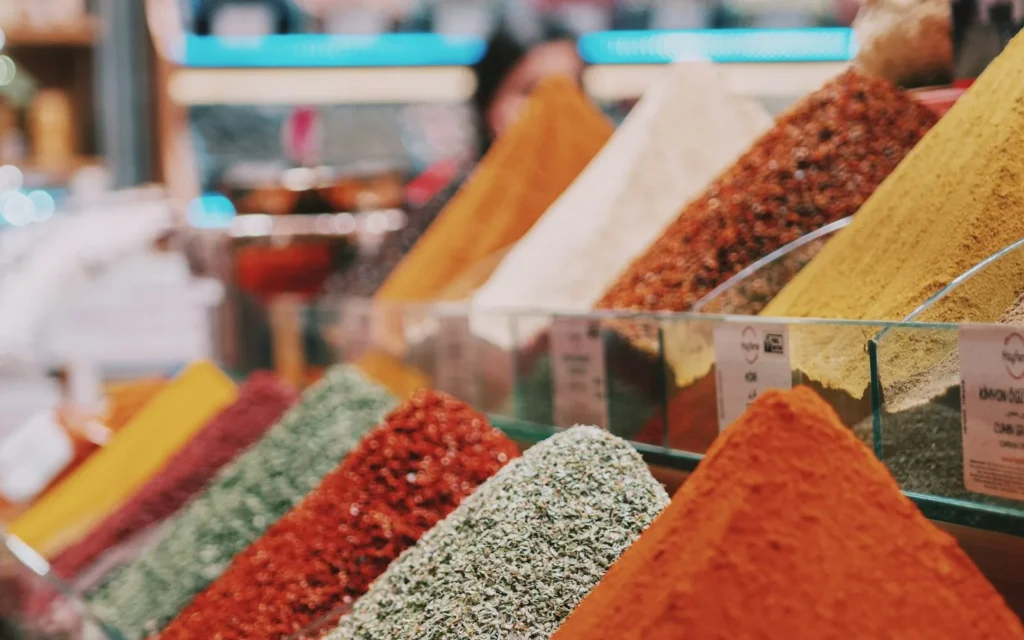
Yes, every day except Sunday, when it closes. It is also one of the best wet-afternoon options in the city, along with the Spice Bazaar and the covered arasta streets around them.
Is Istanbul cheap in January?
It is the cheapest month of the year for flights and hotels, and restaurants that require booking in spring are available the same evening. Only the first days of the month carry New Year rates.
What should I eat in Istanbul in winter?
Roast chestnuts and corn from street carts, balik ekmek at Eminonu, and salep or boza in the evening. A long meyhane dinner of meze and raki in Beyoglu or Kadikoy is the proper winter night out.
You Might Also Love


Written by
John Morrison is the founder and lead travel writer at Packzup. Over the past decade he has explored destinations across Africa, the Americas, Asia, Europe, the Middle East, and Oceania — always self-funded, never on a press trip.
