
Last updated September 8, 2026 · Editorial policy
Colombia requires moderate caution. It’s safe for travelers who do their homework and stay in well-traveled areas, but awareness of local risks is important. This guide covers the real safety situation in Colombia — no sensationalism, just practical advice based on current conditions and traveler reports.
The Short Answer: Yes, Colombia is generally moderately safe for tourists (7/10). Standard travel precautions apply — watch for petty theft in tourist areas, use licensed transport, and keep valuables secured. Most visitors experience no safety issues.
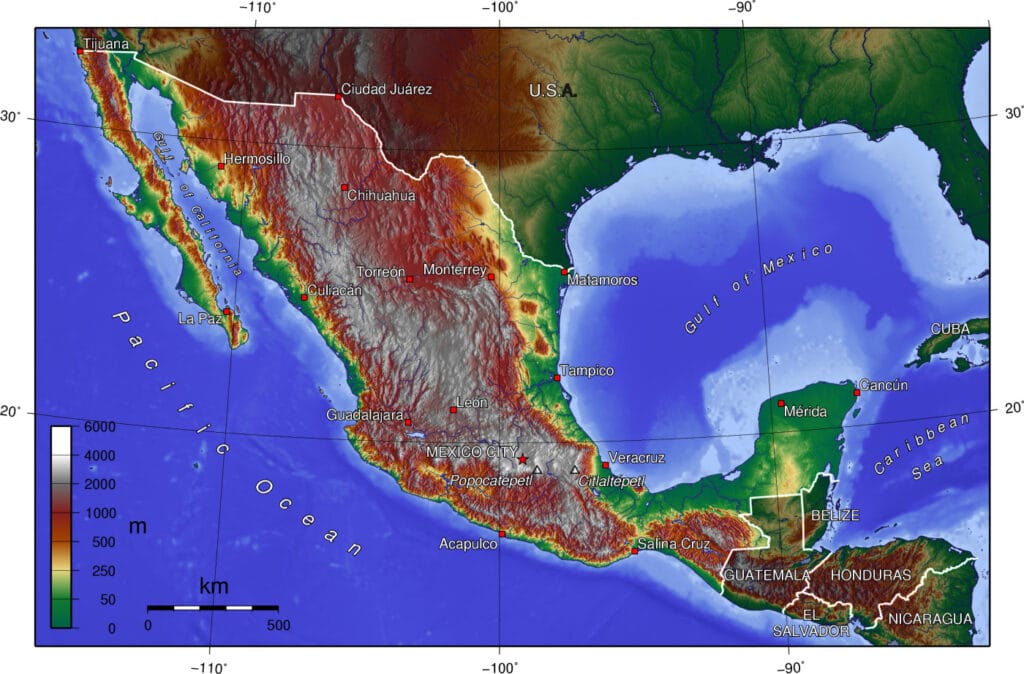
Comparing safety and value with a neighbour? Our Colombia vs Mexico comparison weighs safety, daily costs and beaches side by side.
More: When to visit Colombia · Colombia travel guide
Safety at a Glance
Yes, but do your research. Colombia is safe when you stick to tourist areas, use common sense, and follow the tips below.
The Main Risks (Ranked) in Colombia
The most common issues travelers face: Street robbery in cities, express kidnapping (rare now), drug tourism reputation, motorbike snatching.
Important context: most of these risks are avoidable with preparation. Violent crime against tourists is uncommon in tourist areas.
Smart Precautions
Continue planning your Colombia trip
Use registered taxis or apps (InDriver, Uber). Stay in well-known neighborhoods (Chapinero, Zona T in Bogotá; El Poblado in Medellín). Don’t accept drinks from strangers. Keep a dummy wallet. Avoid walking alone at night in unfamiliar areas.
Places to Avoid
Rural areas near Venezuelan border, parts of Chocó, remote Pacific coast, Arauca, Norte de Santander
Is Colombia Safe for Solo Female Travelers?
Solo female travelers should take extra precautions: stay in well-reviewed accommodations, avoid walking alone after dark, dress modestly in conservative areas, and consider joining group tours for remote destinations.
In an Emergency
Emergency number: 123. Register with your country’s embassy before arrival. Keep digital and physical copies of your passport, insurance, and emergency contacts.
The Dating-App and Scopolamine Risk That Reputation Statistics Miss
Colombia’s old guerrilla-and-cocaine reputation overstates the danger most tourists face on the Cartagena-Medellin-Bogota trail, but it hides the threat that actually kills foreigners now: drug-assisted robbery, often arranged through dating apps. After eight US citizens died in Medellin during November and December 2023, several linked to matches made online, the US Embassy issued a security alert urging travelers to be wary of meeting strangers from Tinder or Grindr. The weapon is scopolamine, locally called burundanga, an odorless drug slipped into a drink that leaves victims compliant and amnesiac; Bogota police have logged well over 1,600 reported cases. This is not random street crime. It targets men meeting dates alone in hotels and apartments.
The US State Department keeps Colombia at Level 3, Reconsider Travel (updated March 31, 2026), with Level 4 Do Not Travel zones in Arauca, Norte de Santander, parts of Cauca and Valle del Cauca, and within about 10km of the Venezuela border. Sensible precautions:
- Never accept a drink, food, or even a handed cigarette from a new acquaintance; watch your glass.
- Skip street-hailed taxis (US officials are barred from them); use Uber or InDriver, and meet first dates in daylight public spots.
Bottom line: the mainstream tourist circuit is reasonably safe if you live by the local rule no dar papaya, do not make yourself an easy target. Solo men using dating apps and anyone moving at night carry the real risk.
FAQ
Is Colombia safe for tourists in 2026?
Yes, but do your research. Colombia is safe when you stick to tourist areas, use common sense, and follow the tips below.
What are the main safety concerns in Colombia?
Street robbery in cities, express kidnapping (rare now), drug tourism reputation, motorbike snatching.
What areas should tourists avoid in Colombia?
Rural areas near Venezuelan border, parts of Chocó, remote Pacific coast, Arauca, Norte de Santander
More Colombia Travel Guides
You Might Also Love





Written by
John Morrison is the founder and lead travel writer at Packzup. Over the past decade he has explored destinations across Africa, the Americas, Asia, Europe, the Middle East, and Oceania — always self-funded, never on a press trip.
Good to know: staying healthy abroad starts with the water — see where the tap water is safe to drink, and dodge the classics with travel scams by country.
Checking other destinations? Is Costa Rica safe? · Is Cuba safe? · Is the Dominican Republic safe? · Is Egypt safe?
