
Last updated August 27, 2026 · Editorial policy
Quick answer: Choose Kyoto for temples, tradition and serene beauty; choose Osaka for street food, nightlife and a fun, friendly energy. Kyoto is culture; Osaka is the kitchen of Japan.
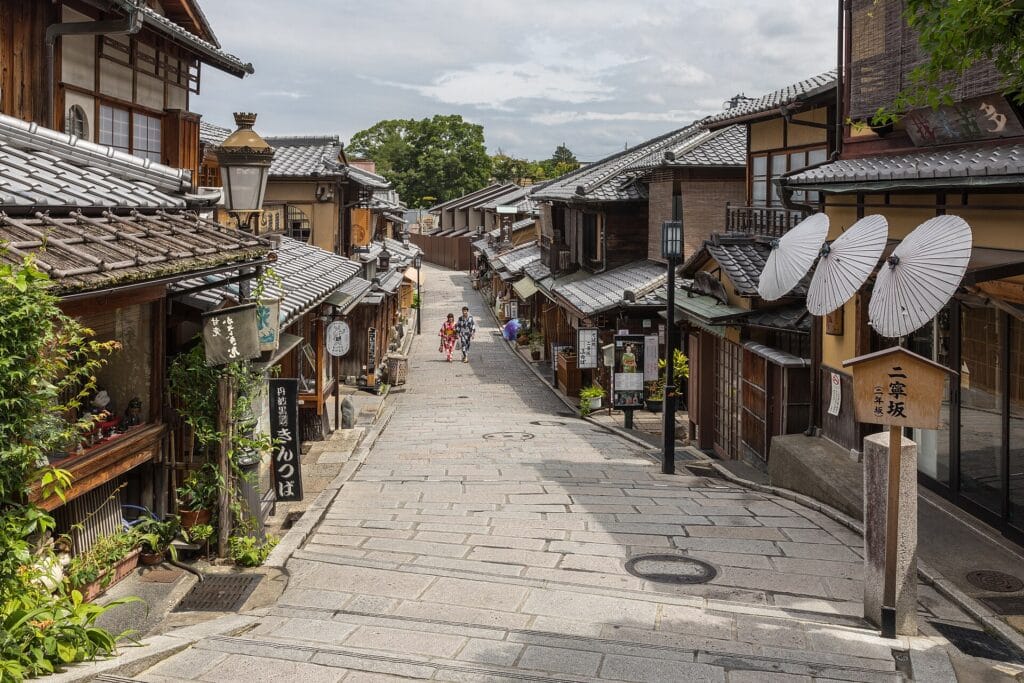
When to go: Kyoto vs Osaka
Measured, not guessed — five years of ERA5 reanalysis (2019–2023). Months are ranked by how close the average high sits to 25°C, penalised by wet days.
Kyoto
- Best month
- October
- Then expect
- 21.9°C · 9 wet days
- Next best
- May, June
- Wettest month
- July (19 wet days)
Osaka
- Best month
- October
- Then expect
- 22.8°C · 9 wet days
- Next best
- May, June
- Wettest month
- July (18 wet days)
- Same window — both Kyoto and Osaka are at their best in October.
- Biggest split is September — Osaka is 1.2°C warmer that month.
Source: ERA5 reanalysis (2019–2023) via Open-Meteo, CC BY 4.0 — Packzup Travel Climate Dataset (open data).
Kyoto vs Osaka at a glance
| Kyoto | Osaka | |
|---|---|---|
| Best for | Temples, geisha districts, tradition | Street food, nightlife, friendliness |
| Vibe | Serene, refined, historic | Loud, fun, casual |
| Daily budget (mid-range) | ¥11,000–18,000 ($70–120) | ¥9,000–16,000 ($60–105) |
| Best time | Spring (cherry), autumn (foliage) | Year-round; spring & autumn best |
| Don’t miss | Fushimi Inari, Arashiyama, Gion | Dotonbori, Osaka Castle, Universal Studios |
| The catch | Overtourism; early starts needed | Fewer ‘classic’ sights |
Sights
Kyoto: Fushimi Inari, Arashiyama bamboo, Kinkaku-ji and Gion — old Japan at its finest. Osaka: Dotonbori’s neon, Osaka Castle and Universal Studios Japan.
Food
Osaka wins decisively — it’s Japan’s street-food capital (takoyaki, okonomiyaki, kushikatsu). Kyoto offers refined kaiseki and matcha sweets.
Vibe
Kyoto is calm, traditional and contemplative; Osaka is lively, casual and famously friendly.
Who should choose which
Temples, tradition and calm: Kyoto. Street food, nightlife and fun: Osaka. They’re 15 minutes apart by train — easily combined (or use one as a base).
The verdict: which one wins your trip?
Pick Kyoto if your trip is built around what you’ll actually photograph and remember: the thousand vermilion torii at Fushimi Inari, the lanes of Gion and Higashiyama, the Arashiyama bamboo grove. Pick Osaka if you’d rather eat your way through Dotonbori at 10pm and ride Super Nintendo World at Universal Studios Japan the next morning. That’s the real split, and the deciding factor is what you do after dark. Kyoto’s temple districts empty out by early evening; Osaka’s Namba and Shinsekai are just warming up.
Three things settle it for most people:
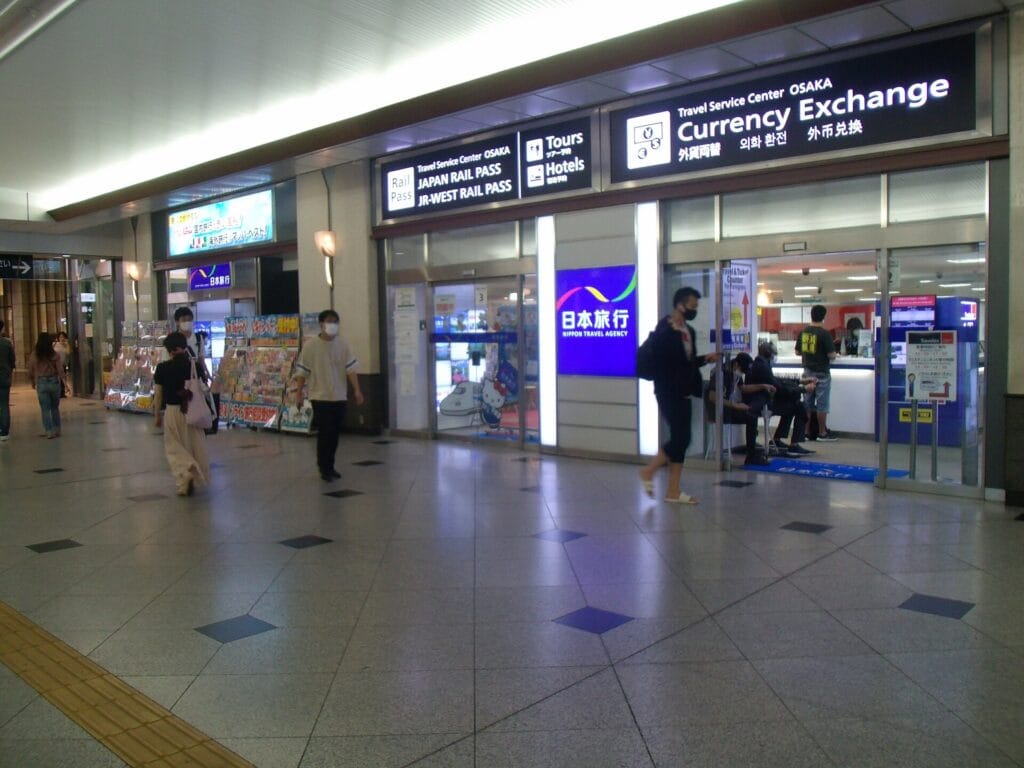
- They’re 28 minutes apart. A JR Special Rapid runs Kyoto Station to Osaka Station for Â¥580, so you don’t have to choose — base in one, day-trip to the other. The Shinkansen shaves it to 15 minutes but costs Â¥1,450 for the privilege.
- Crowds. Fushimi Inari and the Arashiyama path are shoulder-to-shoulder from roughly 9am; you need a 7am start to get a clean shot. Osaka’s sights spread the load better.
- Money. Osaka runs about ¥2,000 a day cheaper for a mid-range traveler, and its food is street-stall priced.
My call: sleep in Osaka, spend your daylight in Kyoto. You get the temples and the takoyaki without paying Kyoto hotel rates.
Kyoto vs Osaka FAQ
Which has better food?
Osaka — Japan’s street-food capital.
Which is more traditional?
Kyoto.
Should I visit both?
Yes — they’re only 15 minutes apart by train.
Getting between Kyoto and Osaka (and from the airport)
The two cities sit barely 25 miles apart, and you do not need to choose one over the other on logistics alone — they’re a half-hour commute. Here’s exactly what I take:
- JR Special Rapid (the locals’ choice): Kyoto Station to Osaka Station in about 28 minutes for 580 yen — no reservation, no surcharge, trains every few minutes. To Shin-Osaka it’s 23 minutes for the same 580 yen.
- Hankyu Kyoto Line: Kyoto-Kawaramachi to Osaka-Umeda in roughly 42 minutes for just 410 yen — the cheapest direct run, and it drops you in the heart of the Umeda shopping district.
- Keihan Line: Sanjo (central Kyoto, near Gion) to Yodoyabashi in about 50 minutes for 490 yen — handy if you’re staying east of the river.
From Kansai International Airport (KIX), the JR Limited Express Haruka runs to Shin-Osaka in 45 minutes and to Kyoto in about 75 minutes (around 3,060 yen non-reserved to Kyoto). As of 2026 there’s a HARUKA WEST QR e-ticket, so you board with a phone code instead of queuing at the ticket counter. First Haruka to Kyoto leaves at 6:31am, last around 10:16pm.
What you’ll actually pay to sleep: the hotel-cost reality
This is the single biggest budget difference between the two, and it’s the reason a lot of travelers base in Osaka and day-trip to Kyoto. Kyoto is the most expensive of the three big Kansai-area cities to sleep in — costlier than Tokyo or Osaka, largely because of supply. Kyoto has roughly 60,000 hotel rooms; Osaka has around 180,000. Thin inventory keeps Kyoto rates high all year and brutal during peak windows.
- Budget / hostel dorm: roughly $15–$20 a night in both cities, with Osaka offering more beds and slightly lower prices.
- Mid-range hotel: Kyoto averages about $101/night; comparable Osaka rooms typically run 10–20% less for the same standard.
- Luxury: Kyoto luxury averages around $236/night, and the genuinely high-end ryokan run far above that.
The pattern holds across every tier: same quality, Osaka costs 30–40% less than Kyoto. And the gap widens during cherry-blossom season (late March–early April) and autumn foliage (November), when Kyoto rooms sell out months ahead and prices spike hard. Food costs, by contrast, are roughly comparable between the two — so accommodation is where the real money decision lives.
Which city should you base in for day trips?
Because the whole Kansai region is so tightly knit, your base is really a question of which day trips you want cheapest and fastest. Here’s how the same destinations stack up from each city:
- Nara (deer park, Todai-ji): ~35 min from Osaka Namba on the Kintetsu Limited Express; ~45 min from Kyoto on the JR Nara Line. Slight edge to Osaka.
- Kobe (Sannomiya): ~30 min from Osaka by JR/Hankyu/Hanshin; ~50 min from Kyoto. Clear edge to Osaka.
- Himeji Castle: ~30 min from Shin-Osaka by Shinkansen (about an hour on regular JR); 90–120 min from Kyoto. Strong edge to Osaka.
The takeaway I give friends: Osaka is the better hub. It’s more central to Nara, Kobe and Himeji, cheaper to sleep in, and Kyoto is only 28 minutes away anyway. Base in Osaka, do Kyoto as a (long, full) day or two, and you save money without losing access. The one reason to base in Kyoto instead is if temples and atmosphere are the entire point of your trip and you want early-morning access to spots like Fushimi Inari or Arashiyama before the day-trippers arrive — that pre-9am window is genuinely worth the higher room rate.
Planning the trip? Go deeper with best time to visit Kyoto and things to do in Osaka.
You Might Also Love

Written by
John Morrison is the founder and lead travel writer at Packzup. Over the past decade he has explored destinations across Africa, the Americas, Asia, Europe, the Middle East, and Oceania — always self-funded, never on a press trip.
