
Last updated September 11, 2026 · Editorial policy
If there were a World Cup for punching above your weight, Uruguay would win it every four years. As the 2026 tournament across the USA, Canada and Mexico plays out its final week, two of the most football-obsessed nations on earth have spent the summer glued to screens like everyone else: Uruguay, which hosted and won the very first World Cup back in 1930, and Argentina, which lifted the trophy in 2022. But this is not a football article.
This is about what happens when you actually get on a plane. Uruguay and Argentina face each other across the Río de la Plata, close enough that a ferry connects them in a few hours, yet they deliver surprisingly different trips. I’ve done both, and the honest answer to which one depends entirely on what you want. Argentina is bigger, louder, cheaper and more spectacular. Uruguay is calmer, safer, pricier and far easier to relax in. Here’s the full breakdown.
| Category | Uruguay | Argentina | Winner |
|---|---|---|---|
| Daily budget | $55-80 budget, $130-200 mid | $40-65 budget, $90-160 mid | Argentina |
| Food | Chivito, asado, Tannat | Parrillas, empanadas, Malbec, huge variety | Argentina |
| Beaches/Nature | Best beaches in the region | Iguazú, Patagonia, the Andes | Tie |
| Cities & culture | Montevideo, Colonia | Buenos Aires, Salta, Mendoza | Argentina |
| Weather | Temperate, short beach season | Every climate, year-round options | Argentina |
| Ease of travel | Small, safe, simple | Huge distances, more logistics | Uruguay |
| Nightlife | Seasonal, Punta del Este summers | World-class, all year | Argentina |
| Value for money | Priciest in South America | Cheaper despite inflation | Argentina |
Cost comparison: what you’ll actually spend
Let’s kill the biggest myth first: Uruguay is not a budget destination. It is routinely the most expensive country in South America, with prices that feel closer to coastal Spain than to its neighbors. Argentina, meanwhile, has been on an economic rollercoaster. The days of 2023, when a steak dinner cost pocket change at the parallel exchange rate, are gone, and dollar prices have climbed sharply. Even so, Argentina still undercuts Uruguay in almost every category.
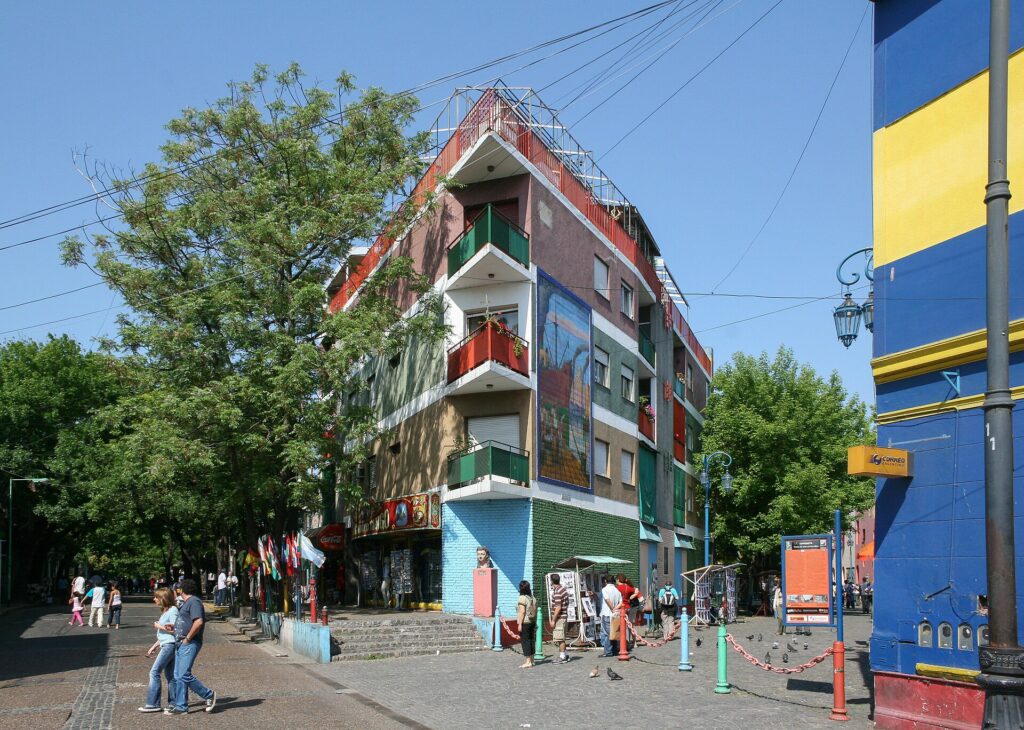
In Uruguay, budget travelers staying in hostels, cooking some meals and riding buses should plan on roughly $55 to $80 per day. Mid-range travel, meaning a decent hotel or apartment, restaurant meals and some taxis, runs about $130 to $200. Luxury starts around $300 and climbs fast, especially in Punta del Este in January, when beachfront rates rival Miami.
Argentina’s ranges are wider because the country is wider. Budget travelers can still manage on $40 to $65 per day in most cities. Mid-range sits around $90 to $160, and luxury, whether boutique hotels in Palermo, estancia stays or wine-country lodges, starts near $220. Domestic flights are the wildcard: adding Patagonia puts real money on any itinerary.
One honest caveat: Argentine prices move constantly with inflation and exchange-rate policy, so treat every number as a ballpark and check again close to your trip. Foreign credit cards now generally settle at a favorable tourist rate, which removes most of the old cash-juggling drama. On pure cost, Argentina wins. And if budget is the entire game, the Andes further north are cheaper than either; our Peru vs Colombia comparison covers that lane.
Food: two beef nations, one clear winner
Both countries eat more beef per person than almost anyone on earth, both treat the weekend asado as a sacred ritual, and both will argue to the death about who grills it better. Having eaten a frankly irresponsible amount of steak in each, I’ll say the quality is comparable. Everything around the steak is where Argentina pulls ahead.
Argentina’s food scene has range. Parrillas grill every cut imaginable, empanadas change fillings province by province, a deep Italian inheritance means genuinely excellent pasta and pizza, the ice cream culture rivals Italy’s, and Malbec from Mendoza is world class and cheap at the source. Buenos Aires alone could fill a two-week eating itinerary without repeating a cuisine.
Uruguay’s food is very good but narrower. The chivito, a towering steak sandwich loaded with ham, egg, mozzarella and mayonnaise, is a national treasure and nearly worth the trip alone. The old port market area in Montevideo serves serious wood-fired asado, and Tannat, Uruguay’s signature red wine, deserves far more fame than it gets. But menus start repeating quickly, and restaurant bills sting at close to double Argentina’s for a comparable meal. Winner: Argentina, comfortably.
Beaches and nature: the great divide
Here’s where the two countries stop competing and start complementing each other. Uruguay has the beaches. Argentina has almost everything else.
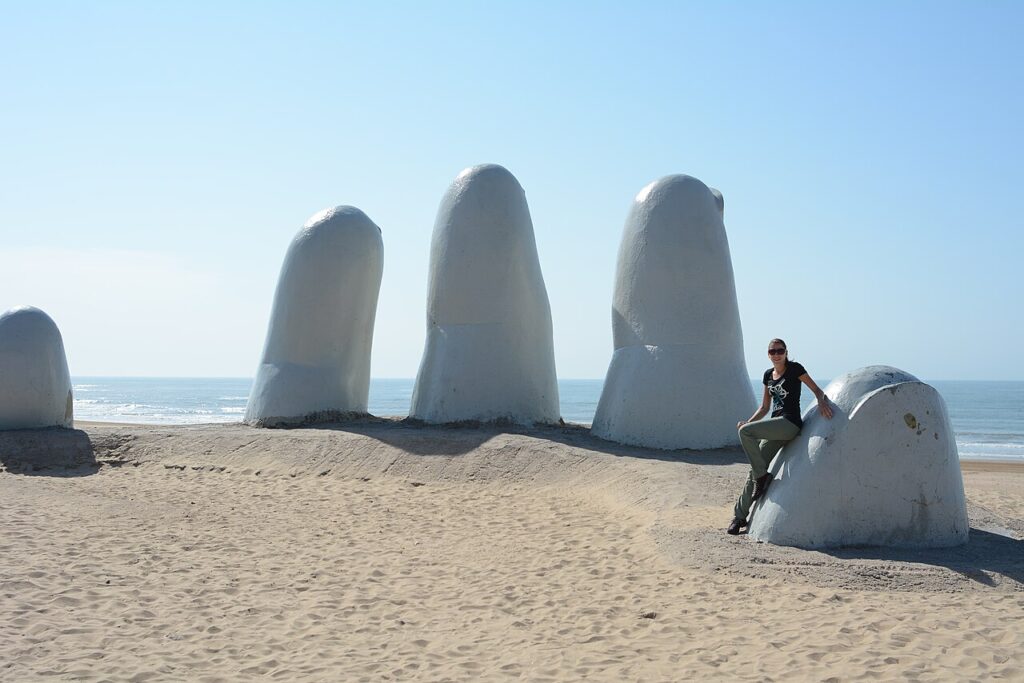
Uruguay’s Atlantic coast is the best in the region south of Brazil. Punta del Este is the glossy resort town. José Ignacio is the barefoot-chic fishing village the fashionable crowd migrated to. Cabo Polonio is a genuinely off-grid settlement reached by 4×4 across the dunes, with a sea lion colony and barely any electricity. La Pedrera and La Paloma cover the laid-back surf-town brief. The water is honest Atlantic rather than Caribbean-warm, but the sand, the light and the slow pace are exceptional.
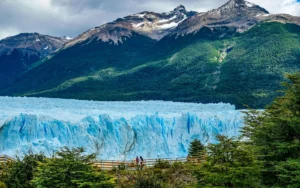
Argentina’s beaches, frankly, don’t compare; Mar del Plata is a crowded domestic resort. But Argentina’s nature is on another planet: Iguazú Falls thundering along the Brazilian border, the Perito Moreno glacier calving into a milky lake, the Andean lake district around Bariloche, vineyards under snow peaks in Mendoza, painted canyons in the northwest, and whales off Península Valdés. If your trip is about landscapes, Argentina isn’t just the winner here, it’s one of the best countries on the planet. If your trip is a beach week, Uruguay takes it without breaking a sweat.
Cities and culture
Buenos Aires is one of the world’s great cities, full stop. Faded Parisian architecture, all-night bookstores, tango spilling out of neighborhood milongas, San Telmo’s Sunday market, Recoleta’s famous cemetery, Palermo’s endless restaurants and bars. It rewards a full week and still leaves you wanting more. Beyond the capital, Córdoba brings student energy, Salta anchors the colonial northwest, and Mendoza is the base camp for wine country. For a deeper list, see our guide to things to do in Argentina.
Montevideo is a different animal: a low-slung, unhurried capital wrapped around a beach-lined rambla, where the defining cultural sight is an entire city carrying thermoses and mate gourds everywhere it goes. Ciudad Vieja has real charm, the candombe drumming tradition is UNESCO-listed, and Colonia del Sacramento, a cobblestoned colonial town an hour’s ferry from Buenos Aires, is one of the loveliest small towns on the continent. It’s all rewarding, but it’s a three-day story next to Argentina’s three-week one. Winner: Argentina.
Weather and when to go
Both countries sit in the southern hemisphere, so the seasons are flipped for North American visitors. If you’re reading this during the World Cup summer, it’s winter down there right now. Uruguay is temperate year-round: summers from December to February are warm and beach-perfect, winters are damp and grey, and the coastal towns largely shut down off-season.
Argentina spans subtropical jungle to sub-Antarctic steppe, so timing depends on the region. Patagonia’s season runs November to March. Buenos Aires and Mendoza are loveliest in spring and fall. Iguazú and the northwest work most of the year, though high summer there is hot and sticky. One simple rule: visit Uruguay in its summer or skip the coast entirely; in Argentina, almost any month works somewhere. Slight edge to Argentina for flexibility.
Getting around, safety and entry requirements
Uruguay is the easy one. The whole country is small enough to drive across in a few hours, intercity buses are comfortable and frequent, and it consistently ranks among the safest countries in Latin America. Montevideo has ordinary big-city petty crime, but the coast is remarkably relaxed. Argentina demands more logistics: distances are enormous, most itineraries need domestic flights, and the famously comfortable long-distance buses still eat entire days.
On safety, Buenos Aires is generally fine with normal city sense, but phone-snatching and pickpocketing are real, especially on transit and in tourist crowds. Keep your phone off the curbside cafe table and you will very likely have zero problems. Rural Argentina and Patagonia feel as safe as anywhere.
Entry is simple for US passport holders: no visa is required for either country for tourist stays of up to 90 days, just a valid passport, and Argentina dropped its old reciprocity fee years ago. Moving between the two is genuinely easy as well, with ferries crossing the Río de la Plata from Buenos Aires to Colonia and Montevideo in roughly one to three hours, which is exactly why so many travelers do both. For overall ease of travel, Uruguay wins.
Nightlife and vibe
Argentina parties on a different clock. Dinner starts at ten, bars fill after midnight, and clubs in Buenos Aires don’t get going until two in the morning and run past sunrise. Add milongas where locals actually dance tango, a serious cocktail-bar scene and live music on any night of the week, and you have one of the best nightlife cities anywhere on earth.
Uruguay’s scene is seasonal and softer. Punta del Este and José Ignacio in January are genuinely glamorous, with beach clubs, sunset parties and a wealthy Argentine and Brazilian crowd. By March it all exhales, and Montevideo on a Tuesday is sleepy. Whether that’s a feature or a bug depends on your age and your agenda. Winner: Argentina, unless your perfect night is a bottle of Tannat on a quiet beach, in which case Uruguay understands you completely.
Uruguay or Argentina: the honest verdict
No fence-sitting. Here’s the call, by traveler type.
Budget travelers: Argentina. Even after the inflation rollercoaster, your dollar goes noticeably further, and the gap widens the moment Uruguayan restaurant bills start landing.
Foodies: Argentina. Uruguay’s chivito deserves its cult, but Argentina offers depth, regional variety and world-class wine at prices that still feel like a misprint at the source.
Beach lovers: Uruguay, and it isn’t close. José Ignacio and Cabo Polonio alone beat anything on Argentina’s coast.
First-timers to South America: Argentina. Iguazú, Patagonia and Buenos Aires are bucket-list heavyweights, and the country rewards a two-week trip better than almost anywhere. If you’re weighing it against its bigger rival instead, our Argentina vs Brazil comparison covers that matchup.
Slow travelers and safety-first couples: Uruguay. It’s the easiest, calmest, most reassuring country on the continent, and the coast in summer is quietly magical.
The real pro move: fly into Buenos Aires, give Argentina the bulk of your nights, then ferry across for a few coastal days in Uruguay. These two are better combined than compared. The trick is knowing which one deserves most of your trip, and for most travelers, that’s Argentina.
FAQ
Which is better for a football-fan trip?
Is Uruguay really more expensive than Argentina?
Can I visit both countries in one trip?
Do US citizens need a visa for Uruguay or Argentina?
Planning the trip? Go deeper with best time to visit Uruguay and best time to visit Argentina.
You Might Also Love
More side-by-side comparisons




Written by
John Morrison is the founder and lead travel writer at Packzup. Over the past decade he has explored destinations across Africa, the Americas, Asia, Europe, the Middle East, and Oceania — always self-funded, never on a press trip.