
Last updated August 22, 2026 · Editorial policy
Banff’s food scene has evolved far beyond the steak-and-potato mountain town stereotype. The national park setting means no chain restaurants are allowed in the town of Banff, which has pushed the culinary scene toward independent restaurants using Alberta beef, Rocky Mountain game, wild-foraged ingredients, and British Columbia wines. The elevation, cold winters, and active outdoor culture mean portions are generous and menus lean toward hearty, warming dishes. Canmore, just outside the park, adds a local mountain-town dining scene that rivals much larger cities. Eating in Banff is not cheap — this is a national park resort town — but the quality justifies the prices.
More: When to visit Banff · Banff travel guide
Alberta AAA Beef
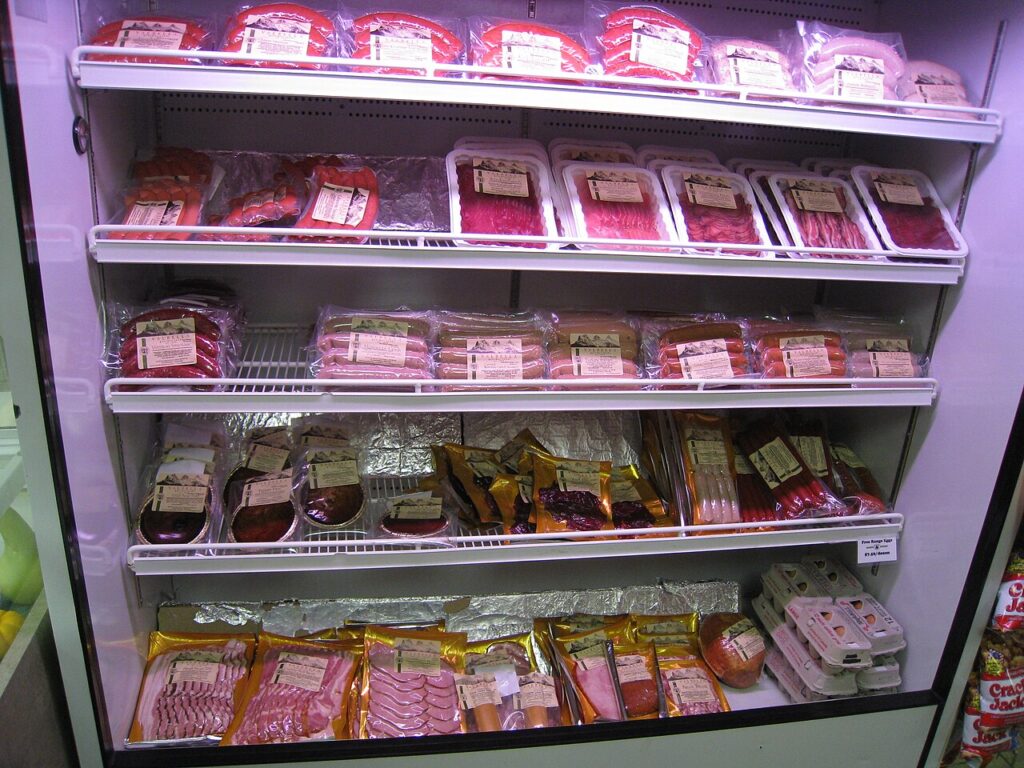
Alberta produces some of the world’s finest beef, and Banff’s restaurants showcase it. The Bison Restaurant on Bear Street serves grass-fed Alberta beef with seasonal sides in a stone-and-timber dining room. Park Distillery grills steaks over campfire-style flames. A premium steak dinner runs 45-75 CAD but the quality is exceptional. The dry-aged striploin and bone-in ribeye are the cuts to order. The beef here is genuinely among the best on the continent.
Elk and Bison Dishes
Rocky Mountain game meats — elk, bison, and venison — appear on menus throughout Banff. Farm & Fire serves elk burgers and bison short ribs. The Grizzly House, a fondue institution since 1967, offers exotic meat fondues including bison, elk, and wild boar. A game meat entree costs 30-55 CAD. The meat is lean, rich, and distinctly different from beef. The elk burger at Eddie Burger + Bar is the casual introduction at 22 CAD.
Poutine
Quebec’s gift to Canadian cuisine — french fries, gravy, and squeaky cheese curds — is the mandatory après-ski meal. Bear Street Tavern does a classic version, while The Bison upgrades it with duck confit. Mountain poutine at most restaurants costs 14-20 CAD. The key is real cheese curds (not shredded cheese) and a gravy thick enough to coat the fries. On a cold day after hiking Johnston Canyon, nothing tastes better.
BeaverTails
These flat, stretched-dough pastries are a Canadian institution — deep-fried and topped with cinnamon sugar, Nutella, maple butter, or various other toppings. The BeaverTails outlet on Banff Avenue serves them year-round from 7-10 CAD. They are at their best eaten warm on a bench overlooking the Bow River while elk graze in the background. The Killaloe Sunrise (cinnamon sugar and lemon) is the classic topping.
Wild Berry Pie
The Rocky Mountain region grows saskatoon berries, huckleberries, and wild blueberries that bakeries turn into exceptional pies, crumbles, and preserves. The Wild Flour Bakery in Banff and Harvest Cafe in Canmore serve seasonal berry pies from 8-12 CAD per slice. The saskatoon berry — a distinctly Canadian wild fruit with an almond-cherry flavour — is the local specialty. August and September are peak berry season.
Rocky Mountain Craft Beer
Banff and Canmore have a thriving craft beer scene. Banff Avenue Brewing Company brews on-site with Rocky Mountain glacier water. Grizzly Paw Brewing in Canmore has a taproom and restaurant with mountain views. Three Bears Brewery and Park Distillery round out the options. A flight of four tasters costs 12-16 CAD. The mountain water gives the beers a distinctive clean crispness. The Head Smashed IPA at Grizzly Paw is a local legend.
Bannock
Traditional Indigenous fry bread that has been adopted across western Canada — a simple dough of flour, water, and baking powder, fried until golden and served with jam, honey, or as a side to game stews. It is an important cultural food that connects the Rocky Mountain region to its Indigenous heritage. Found at select restaurants and events for 5-10 CAD. The version at Whitebark Cafe, served with house-made berry jam, is excellent.
Maple Everything
Canada’s liquid gold appears everywhere in Banff — maple syrup on pancakes, maple-glazed bacon, maple butter, maple candy, and maple-infused cocktails. The Maple Leaf Grille focuses its entire menu around the ingredient. A Canadian breakfast with maple syrup at Tooloulou’s costs 16-22 CAD. The Rocky Mountain Flatbread Company drizzles maple on its wild mushroom pizza. Buy a bottle of pure maple syrup at the mountain shops from 12 CAD to take home.
Eating Tips for Banff
No chain restaurants are allowed in the town of Banff (national park regulation), so every restaurant is independent. Reservations are essential at The Bison, Park Distillery, and Farm & Fire during peak season. Bear Street has the best concentration of restaurants. Canmore (15 minutes outside the park) has excellent restaurants at slightly lower prices. Grocery prices are 20-30% higher than Calgary — stock up before entering the park if self-catering. The farmers’ market in Canmore runs Thursdays in summer. Happy hours (3-5 PM) at most restaurants offer discounted appetisers and drinks.
Frequently Asked Questions
What is the must-try food in Banff?
The absolute must-try is Alberta AAA Beef. Beyond that, Elk and Bison Dishes and Poutine are essential for understanding Banff’s food culture.
Is street food safe in Banff?
Yes, street food in Banff is generally safe. Look for stalls with high turnover, eat where locals eat, and choose places where food is freshly prepared.
How much should I budget for food in Banff?
Budget travelers can eat well for $15-25 per day at local restaurants. Mid-range budgets of $35-60 cover a mix of casual and sit-down meals. Fine dining starts around $60-100 per person.
You Might Also Love

Written by
John Morrison is the founder and lead travel writer at Packzup. Over the past decade he has explored destinations across Africa, the Americas, Asia, Europe, the Middle East, and Oceania — always self-funded, never on a press trip.
