
Last updated August 28, 2026 · Editorial policy
Best time to visit Banff: at a glance
Short answer: June–September for hiking; December–March for skiing.
| Season | Months | What to expect |
|---|---|---|
| Peak | Jul–Aug | Warm, lakes thawed, all trails open; busiest |
| Shoulder (best value) | Jun, Sep | Fewer crowds; September brings golden larches |
| Low | Oct–Nov, Apr–May | Quiet shoulder; lakes frozen or thawing |
Best Time to Visit Banff: Month-by-Month Guide
Quick take: When should you actually go to Banff? Below: the honest month-by-month guide — not the watered-down tourism-board version.
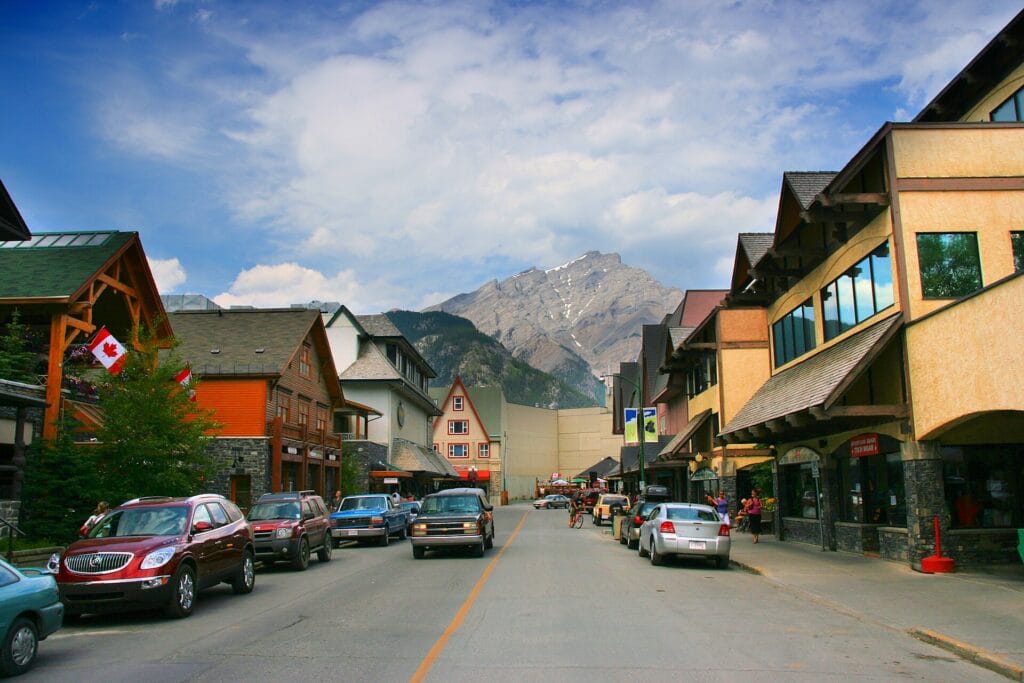
Peak: summer (June-August) · Off-season: winter (December-February)
Knowing the best time to visit Banff can transform your trip — saving you hundreds on flights and hotels while putting you in better weather with fewer crowds. This guide breaks down each season, key events, and what to expect month by month so you can pick the right travel dates.
Best Months to Visit Banff
Top pick: Aim for early September through early October. Days stay mild, the July and August crowds thin quickly once school resumes, golden larches peak in late September, and hotel rates fall well below summer highs. Late June to early July is the runner-up, though high trails can still hold snow.
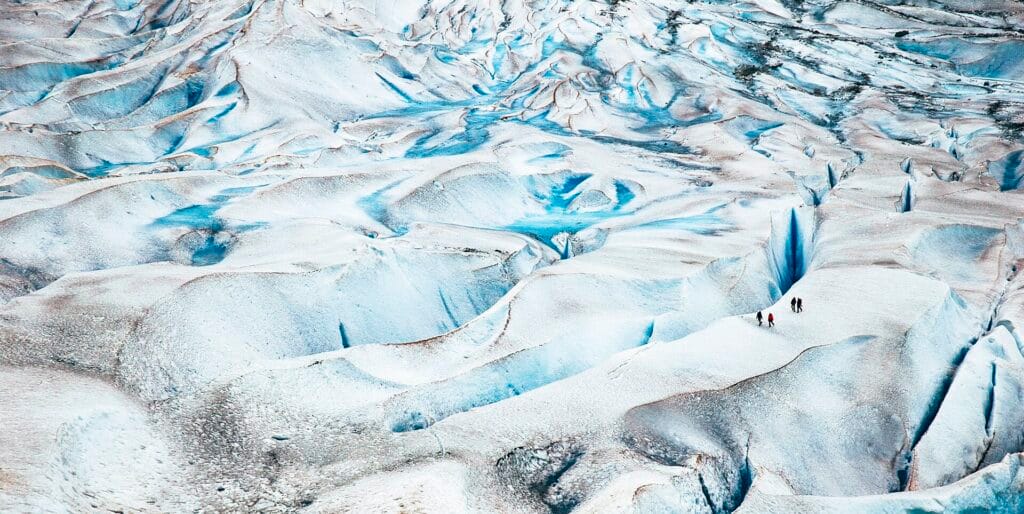
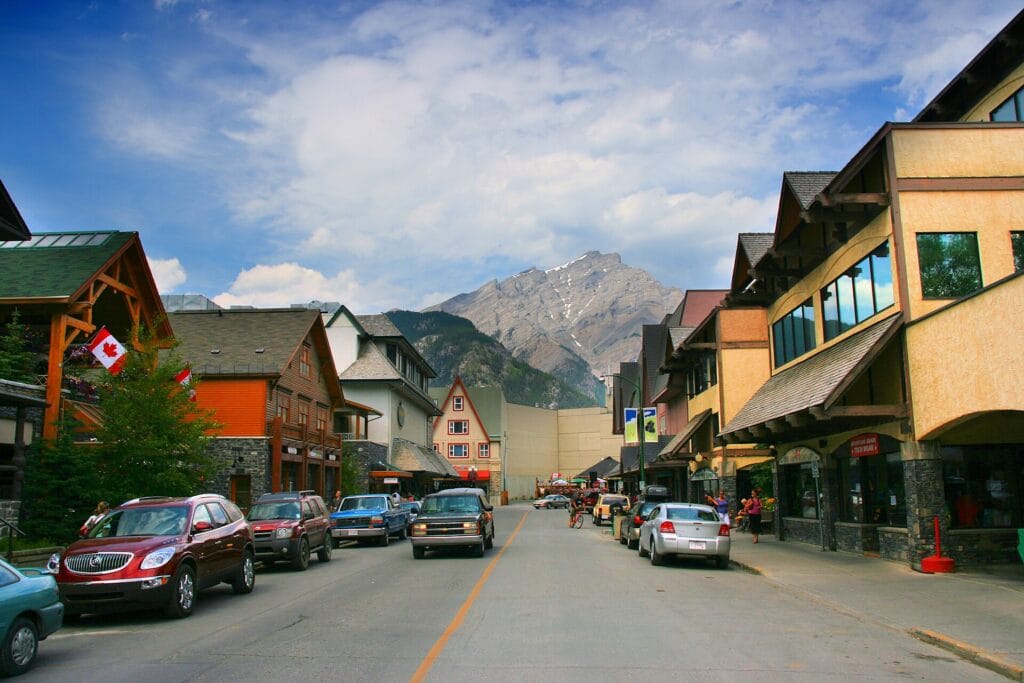
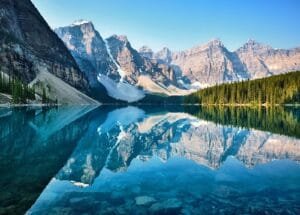
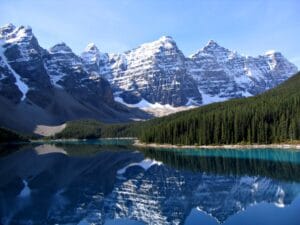
The genuine sweet spot is the first two-to-three weeks of September. Daytime highs sit around 16C (61F) with lows near 2C (36F), summer trails are still open, and rates start sliding off peak. Time it with the golden larches: needles turn from roughly the last two weeks of September into early October, a window of only about 10 days. The Larch Valley trail leaves from the Moraine Lake lot, so go at sunrise to beat the crowd.
- Avoid late October through November: the Moraine Lake road is shut, the lakes are refreezing, and reliable ski snow has not arrived.
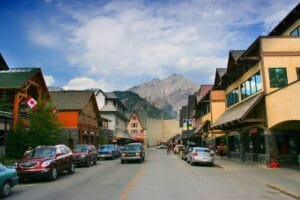
- Winter draw: January’s SnowDays festival brings skijoring down Banff Avenue (January 16 to February 8 in 2026).
Frequently Asked Questions
Are there major festivals in Banff?
Yes — Banff hosts notable events including: Banff Centre Mountain Film and Book Festival (late Oct-early Nov), SnowDays Festival (Jan), Banff World Media Festival (Jun). Major festivals can spike hotel prices 50-200% — book 3-6 months ahead if attending.
What should I pack for Banff?
Pack for the season you’re visiting and the climate zone. Summer in Banff: lightweight breathable clothes, sunscreen, hat, comfortable walking shoes. Winter: layers, waterproof jacket, warm accessories. Check the 10-day forecast 1-2 weeks before departure and adjust.
Related Banff Travel Guides
- Best Things to Do in Banff
- Where to Stay in Banff
- Best Food in Banff
- How Much Does a Trip to Banff Cost?
- Banff Itinerary Guide
Torn between destinations? See our honest, first-hand comparisons: Whistler vs Banff, Banff vs Glacier, Banff vs Jasper, Patagonia vs Banff, Vancouver vs Banff.
Timing your trip? See our data study: Best Time to Travel the World 2026 — the best (and worst) months to travel, from 26 top destinations.
Banff weather & climate by month
Best months to visit: July, August. Banff’s warmest month is July (avg 22°C / 72°F), the coolest is February (low -15°C / 4°F). The wettest is June (92 mm) and the driest is January.
| Month | Avg high | Avg low | Rainfall | Rainy days |
|---|---|---|---|---|
| January | -4°C / 24°F | -13°C / 9°F | 20 mm | 6 |
| February | -5°C / 22°F | -15°C / 4°F | 27 mm | 7 |
| March | 1°C / 34°F | -10°C / 14°F | 31 mm | 9 |
| April | 6°C / 42°F | -5°C / 23°F | 31 mm | 9 |
| May | 13°C / 55°F | 1°C / 33°F | 49 mm | 10 |
| June | 18°C / 64°F | 4°C / 40°F | 92 mm | 13 |
| July | 22°C / 72°F | 8°C / 46°F | 60 mm | 12 |
| August | 22°C / 72°F | 8°C / 46°F | 47 mm | 8 |
| September | 17°C / 62°F | 4°C / 39°F | 41 mm | 9 |
| October | 8°C / 46°F | -4°C / 25°F | 40 mm | 9 |
| November | -1°C / 30°F | -11°C / 11°F | 44 mm | 10 |
| December | -6°C / 21°F | -14°C / 6°F | 44 mm | 10 |
Climate source: Open-Meteo ERA5 reanalysis (2019–2023). Compare destinations in the Best Time to Visit Index.
You Might Also Love

Written by
Drew Treasury is a contributing travel writer at Packzup, specialising in city culture, food markets, street art, and neighbourhood-level travel.
