
Last updated September 10, 2026 · Editorial policy
It’s July 2026, the World Cup summer, and half the planet has spent the past month shouting at televisions. Few countries shout louder than Brazil and Portugal — the land of Pelé and the land of Ronaldo, two nations where football isn’t a sport so much as a second religion. But this isn’t a football article. It’s a travel one, because at some point every fan watching from the couch starts wondering what it would actually be like to stand on Copacabana or wander Lisbon’s tiled alleys in person.
I’ll say this upfront: these two countries solve completely different problems. Portugal is the easy, affordable corner of Europe that works beautifully even for nervous first-timers. Brazil is the enormous, loud, jaw-dropping adventure that rewards travelers willing to work harder for their memories. They share a language and a football obsession, and almost nothing else. Here’s the honest breakdown — money, food, beaches, safety, visas, and nightlife — so you can decide which one deserves your vacation days.
| Category | Brazil | Portugal | Winner |
|---|---|---|---|
| Daily budget | $40–140 for most travelers | $65–200 for most travelers | Brazil |
| Food | Churrasco, feijoada, açaí — big and bold | Seafood, pastries, absurdly cheap wine | Portugal |
| Beaches/Nature | Amazon, Iguazu, thousands of miles of coast | Algarve cliffs, Madeira, the Azores | Brazil |
| Cities & culture | Rio’s setting, Salvador’s soul | Lisbon and Porto, walkable and layered | Portugal |
| Weather | Hot, humid, seasons flipped | Mild and sunny most of the year | Portugal |
| Ease of travel | Huge distances, less English spoken | Compact, easy, English everywhere | Portugal |
| Nightlife | Samba, botecos, Carnival energy | Bairro Alto and very late dinners | Brazil |
| Value for money | Your dollar goes far on the ground | Cheap for Western Europe, pricier than Brazil | Brazil |
When to go: Brazil vs Portugal
Measured, not guessed — five years of climate normals (WMO 1991–2020, or ERA5 2019–2023 where unavailable). Months are ranked by how close the average high sits to 25°C, penalised by wet days.
Brazil
- Best month
- July
- Then expect
- 24.8°C · 7 wet days
- Next best
- June, May
- Wettest month
- February (16 wet days)
Portugal
- Best month
- July
- Then expect
- 28.4°C · 0 wet days
- Next best
- August, June
- Wettest month
- April (10 wet days)
- Same window — both Brazil and Portugal are at their best in July.
- Portugal is the drier bet at its peak — 0 wet days vs 7.
- Biggest split is January — Brazil is 15.4°C warmer that month.
Source: climate normals (WMO 1991–2020, or ERA5 2019–2023 where unavailable) via Open-Meteo, CC BY 4.0 — Packzup Travel Climate Dataset (open data).
Cost comparison: what you’ll actually spend
Let’s talk numbers, because this is where the two countries diverge fast. In Brazil, budget travelers can genuinely live on $35–55 a day: hostel dorms run $10–20, a per-kilo lunch buffet fills you up for $5–8, and long-distance buses are cheap if slow. Mid-range travelers should plan on $80–140 a day for decent hotels, restaurant meals, and the occasional guided trip. Luxury starts around $250 a day and climbs quickly in Rio during high season or on Fernando de Noronha, which prices itself like a private island because it more or less is one.
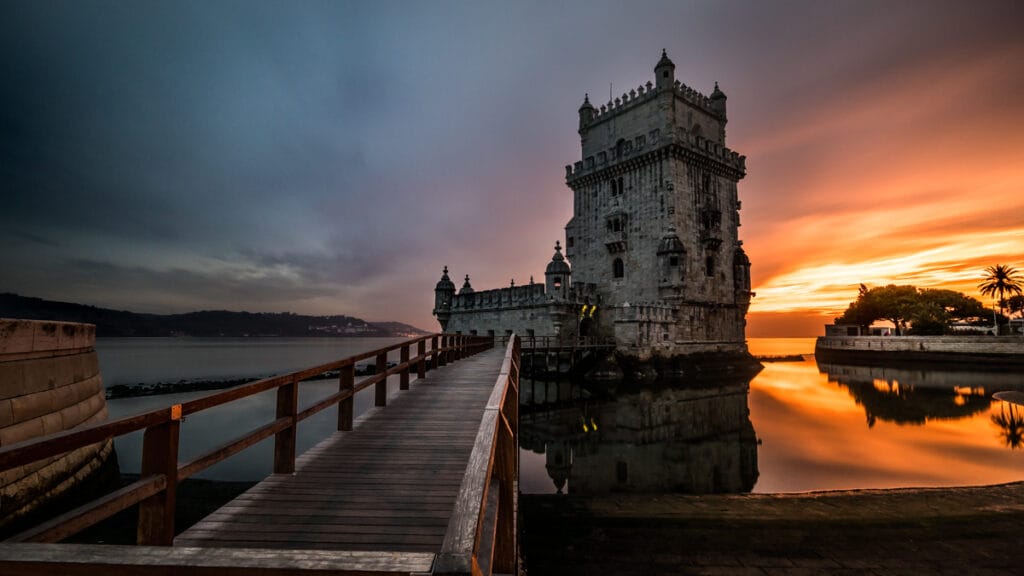
Portugal costs more, but it’s still one of the cheapest countries in Western Europe. Budget travelers get by on $60–90 a day, mid-range trips land around $130–200, and luxury starts near $300. Lisbon has gotten noticeably pricier over the past few years — a symptom of its own popularity — but the interior, the Alentejo, and the off-season Algarve remain genuine bargains.
The wrinkle is airfare. From the US East Coast, round trips to Lisbon regularly show up in the $450–800 range, while Rio or São Paulo typically runs $700–1,100. On a one-week trip, that flight difference can erase Brazil’s on-the-ground savings entirely. On a two- or three-week trip, Brazil pulls away and never looks back. If South American prices tempt you, see how Brazil stacks up against its neighbor in our Argentina vs Brazil comparison.
Food: two very different tables
Brazilian food is generous, smoky, and built for serious appetites. Churrascarias parade skewers of grilled meat past your table until you surrender. Feijoada — the black bean and pork stew that’s practically a national ceremony — turns weekend lunch into a three-hour event. In Bahia, moqueca, a coconut-milk seafood stew, alone justifies the flight, and the everyday stuff is just as good: pão de queijo for breakfast, açaí bowls on the beach, a caipirinha as the sun drops. The per-kilo buffet, where you pay by the weight of your plate, might be the best budget lunch system on Earth.
Portugal plays a different game: less variety, more consistency. Grilled sardines in summer, bacalhau prepared a supposed 365 different ways, seafood rice that arrives still bubbling, and pastéis de nata — the little custard tarts that cost about a euro and ruin all other pastries for you forever. Then there’s the wine. House wine in Portugal is often cheaper than bottled water and reliably good, and a serious bottle from the Douro costs what a mediocre one costs back home.
The honest call: Brazil wins on variety and sheer abundance, but Portugal takes the category, because it’s nearly impossible to eat badly there at any price point. Its food scene punches so far above its weight that it holds its own even in our France vs Portugal matchup.
Beaches and nature: scale versus access
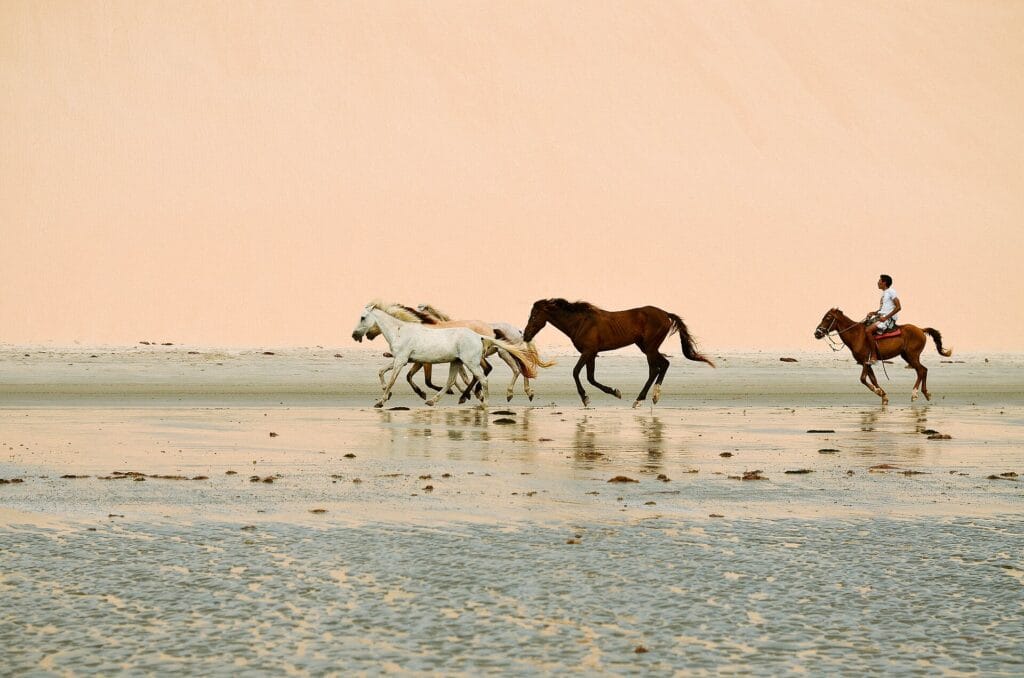
Nobody should be surprised that Brazil wins this one. The coastline runs for thousands of miles, from Jericoacoara’s dunes in the north to Florianópolis’s surf beaches in the south, with Rio’s famous crescents in between. And the beaches are only the opening act. There’s the Amazon, the planet’s largest rainforest; Iguazu Falls, which makes Niagara look like a garden feature; the Pantanal wetlands, where spotting wild jaguars is a realistic goal rather than a fantasy; and Lençóis Maranhenses, a desert of white dunes filled with rainwater lagoons that doesn’t look like it belongs on this planet.
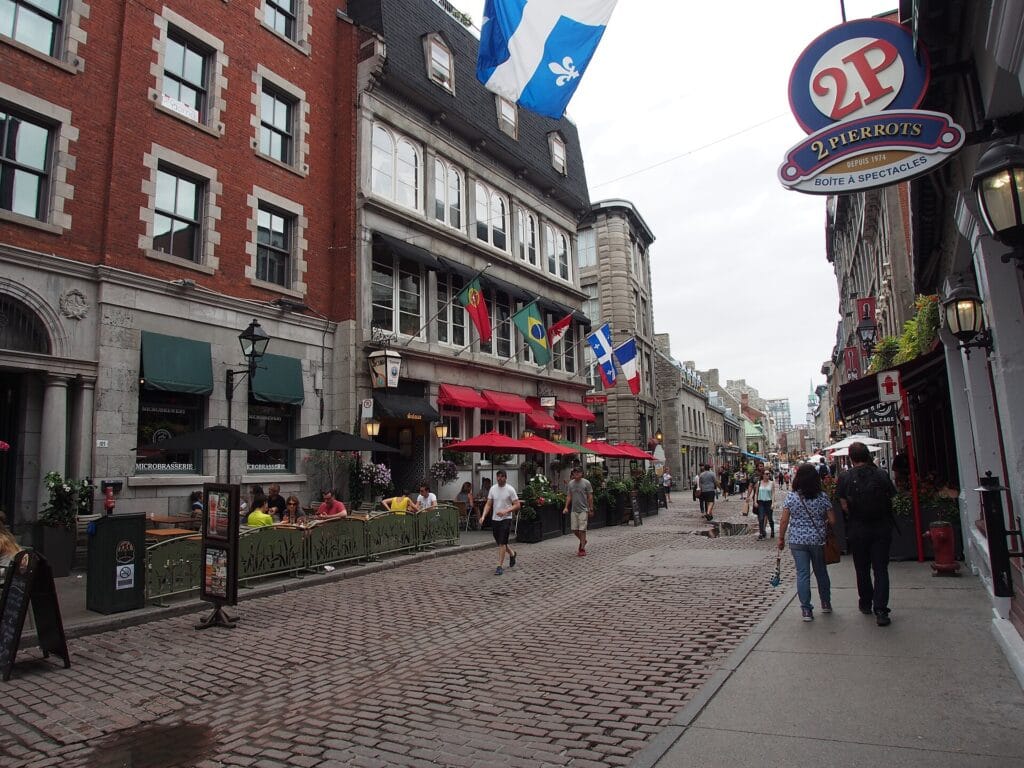
Portugal’s answer is smaller but very real. The Algarve’s southern coast is a run of golden cliffs, sea caves, and coves that photograph like screen savers. Nazaré produces some of the biggest surfable waves on the planet each winter. Madeira is a subtropical island laced with levada walking trails, and the Azores are green volcanic islands with crater lakes and whale watching. One honest warning: the Atlantic off mainland Portugal is cold, even in August. You’ll swim, but you’ll gasp first.
Brazil wins for scale and spectacle; Portugal wins for packing genuine variety into a country you can drive across in a day. If a beach-first European trip is really what you’re after, our Greece vs Portugal comparison digs into that question properly.
Cities and culture
Rio de Janeiro has, for my money, the most dramatic setting of any city on Earth — granite peaks rising straight out of the sea, forest spilling between neighborhoods, beaches functioning as the city’s living rooms. São Paulo is the opposite: an endless gray metropolis hiding Latin America’s best food and art scenes. Salvador is the soul of Afro-Brazilian culture, all drum rhythms and pastel colonial facades, and inland towns like Ouro Preto preserve the gold-rush baroque era in amber.

Portugal counters with density. Lisbon is a city of viewpoints, tiled facades, and creaking yellow trams, where a wrong turn usually ends somewhere lovely. Porto, smaller and moodier, sits stacked above the Douro River across from its port wine lodges. Sintra’s hilltop palaces look invented for a fairy tale, Coimbra runs on centuries of university tradition, and Évora anchors the slow, cork-oak plains of the Alentejo. Everything is close together; you can see a remarkable amount in a single week without ever rushing.
I’m giving the category to Portugal, narrowly. Brazilian cities deliver higher highs, but Portuguese cities are more consistently walkable, layered, and forgiving for travelers. Portugal’s old-town game is strong enough that it wins most European head-to-heads too — see Croatia vs Portugal for a much closer contest.
Weather and when to go
Remember that Brazil’s seasons are flipped. Summer runs December through March — hot, humid, and crowded, with Carnival landing in February or early March. For Rio and the south, May through September brings drier, milder days that most visitors find far more comfortable. The northeast coast stays warm all year, and the Amazon doesn’t really do “dry” — just wetter and less wet, with the lower-water months making wildlife easier to spot.
Portugal is simpler. May, June, September, and October are the sweet spots: sunny, warm, and not yet mobbed. July and August are hot, expensive, and packed, especially in the Algarve, though the coast stays bearable while inland cities roast. Winters are mild and rainy — Lisbon in January is often 55°F and perfectly pleasant for sightseeing, which is more than most of Europe can say for itself.
Portugal takes the category for one practical reason: it’s easier to plan around. Brazil’s size means somewhere is always in season, but Portugal rarely punishes you for picking the wrong month.
Getting around, safety, and visas
Here’s where honesty matters most. Brazil is nearly the size of the continental United States, so treating it like a hop-around destination means domestic flights — often several. Book them early and they’re reasonable; book late and they sting. Within cities, ride-share apps work brilliantly and cheaply, and I’d default to them at night. English is less common than first-time visitors expect, so a translation app and a few dozen Portuguese words go a long way.
On safety: Brazil requires city smarts. Phone snatching is a genuine problem in Rio and São Paulo, so keep yours off the street, dress down, and ask your accommodation which areas to avoid after dark. Millions of travelers visit without incident every year, but the baseline caution level is real and it does color the trip. Portugal, by contrast, consistently ranks among the safest countries in the world. Your primary hazard is a pickpocket on Lisbon’s Tram 28, followed closely by cobblestones after two glasses of vinho verde.
Visas, for US passport holders: Brazil reinstated its visa requirement in April 2025, so you’ll need to apply online for an e-visa before flying — it costs around $80, is issued electronically, and covers multiple entries over several years. Portugal remains visa-free for stays up to 90 days, though Europe’s new EES and ETIAS entry systems have been rolling out in stages, so check the current requirements a few weeks before departure rather than assuming.
Nightlife and vibe
Brazil’s nightlife isn’t an activity, it’s the country’s natural state. In Rio, the Lapa district turns into a street-wide samba party on weekends; botecos — the open-front corner bars — fill with conversation and cold draft beer every night of the week; and São Paulo’s club scene runs until well past sunrise. Music is everywhere and it’s participatory. Even if you arrive incapable of dancing, Brazil will have a genuine go at fixing that.
Portugal is gentler but far from sleepy. Lisbon’s Bairro Alto works like one big open-air bar crawl, with crowds drifting between tiny bars and drinking in the lanes until late. Dinner starts at nine, nights end at three, and the fado houses offer a slower, mournful, beautiful alternative to all of it. In summer, Lagos and the Algarve’s party towns fill with a young international crowd that treats sunrise as a curfew.
Brazil takes the category. Portugal has great nights; Brazil has a nightlife culture that visitors talk about for the rest of their lives.
Brazil or Portugal: the honest verdict
For budget travelers: Brazil — with one condition. If you can stay two weeks or more, the low daily costs bury the pricier flight. For a single week, Portugal’s cheap airfare and compact size actually make it the smarter spend.
For foodies: Portugal. Brazil has more spectacular individual dishes, but Portugal’s floor is so high — the pastries, the seafood, the wine at every price — that you eat memorably every single day without trying.
For beach and nature lovers: Brazil, and it isn’t close. The Algarve is gorgeous, but the Amazon, Iguazu, the Pantanal, and thousands of miles of warm coastline are a different sport entirely.
For first-timers: Portugal. Safe, compact, affordable, friendly, and forgiving. It’s the single easiest country in Europe to travel well, and it leaves you confident enough to take on Brazil next.
My personal tiebreaker: if you want a vacation, go to Portugal. If you want an adventure you’ll still be describing to strangers a decade from now, go to Brazil.
FAQ
Which is better for a football-fan trip?
Do Americans need a visa for Brazil or Portugal?
Is Brazil safe for tourists?
How many days do you need in each country?
Planning the trip? Go deeper with best time to visit Brazil and best time to visit Portugal.
You Might Also Love
More side-by-side comparisons




Written by
John Morrison is the founder and lead travel writer at Packzup. Over the past decade he has explored destinations across Africa, the Americas, Asia, Europe, the Middle East, and Oceania — always self-funded, never on a press trip.
