
Last updated September 13, 2026 · Editorial policy
Mexico co-hosted the 2026 World Cup alongside the USA and Canada, with the opening match at the storied Estadio Azteca — while Brazil remains the only nation to have lifted the trophy five times. Football pride runs hot in both countries, but that is where the sports talk ends, because this is a travel comparison, not a match report.
I’ve traveled both countries the normal way — paying my own way, no press trips, no sponsors — and I’ll say upfront that this matchup is closer than most we’ve run. Brazil is bigger, wilder, and more overwhelming in the best sense. Mexico is easier, cheaper to reach, and arguably feeds you better than almost anywhere on Earth. Here’s the category-by-category breakdown, ending with a verdict that actually picks winners instead of shrugging.
| Category | Brazil | Mexico | Winner |
|---|---|---|---|
| Daily budget | Roughly $40–160/day | Roughly $35–140/day | Mexico |
| Food | Churrasco, feijoada, moqueca | Tacos, mole, legendary street food | Mexico |
| Beaches & nature | Amazon, Iguacu, endless coastline | Caribbean sand, cenotes, canyons | Brazil |
| Cities & culture | Rio, Sao Paulo, Salvador | Mexico City, Oaxaca, colonial towns | Mexico |
| Weather | Warm year-round, flipped seasons | Reliable dry winters | Mexico |
| Ease of travel | Long flights, e-visa required | Short flights, no visa for US visitors | Mexico |
| Nightlife | Samba, beach kiosks, Carnival energy | Cantinas, rooftops, mezcalerias | Brazil |
| Value for money | Excellent once you land | Excellent door to door | Tie |
When to go: Brazil vs Mexico
Measured, not guessed — five years of climate normals (WMO 1991–2020, or ERA5 2019–2023 where unavailable). Months are ranked by how close the average high sits to 25°C, penalised by wet days.
Brazil
- Best month
- July
- Then expect
- 24.8°C · 7 wet days
- Next best
- June, May
- Wettest month
- February (16 wet days)
Mexico
- Best month
- February
- Then expect
- 25.1°C · 1 wet days
- Next best
- December, November
- Wettest month
- July (27 wet days)
- Different windows — Brazil peaks in July, Mexico in February. If your dates are fixed, that is the deciding factor.
- Mexico is the drier bet at its peak — 1 wet days vs 7.
- Biggest split is January — Brazil is 7.2°C warmer that month.
Source: climate normals (WMO 1991–2020, or ERA5 2019–2023 where unavailable) via Open-Meteo, CC BY 4.0 — Packzup Travel Climate Dataset (open data).
Cost comparison: what you’ll actually spend
On the ground, these two are surprisingly close. In Brazil, backpackers can get by on about $35–55 a day using hostel dorms, comida por quilo buffets (pay-by-weight lunch spots that are one of Brazil’s great budget hacks), and long-distance buses. A comfortable mid-range trip — private rooms, nice restaurants, some domestic flights — runs more like $80–150 a day, and luxury travel starts around $250 and climbs fast in Rio during high season. The Brazilian real has been kind to dollar-holders in recent years, so your money stretches further than the country’s polished beach clubs might suggest.
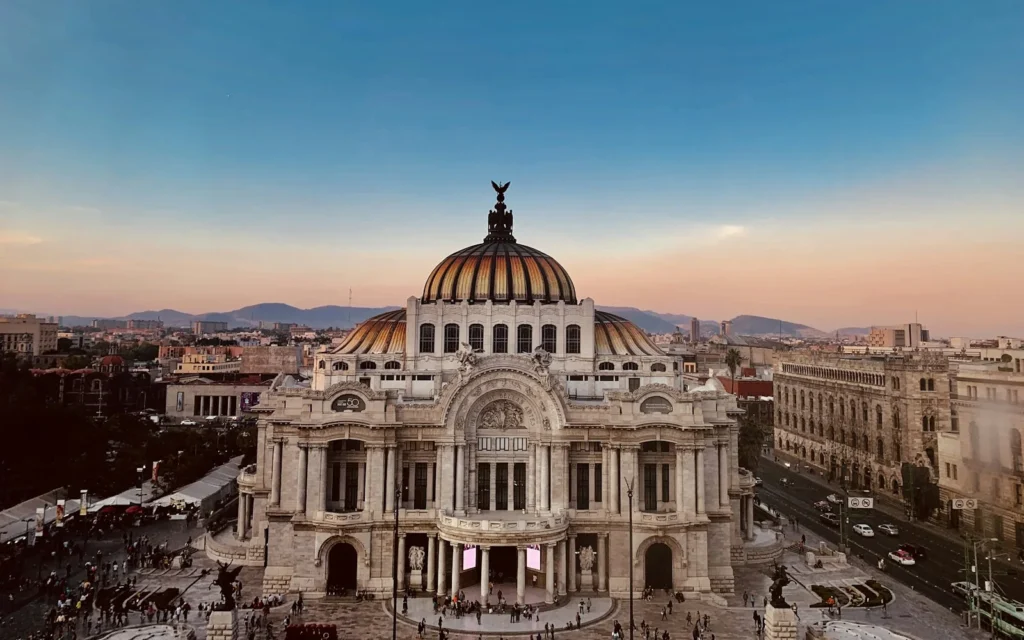
Mexico comes in slightly cheaper at every tier: roughly $30–50 a day for budget travelers eating street food and sleeping in dorms, $70–130 for mid-range comfort, and $200-plus for genuine luxury outside the most hyped stretches of Tulum, where prices have honestly lost touch with reality. The bigger gap is getting there. From most US cities, round-trip flights to Mexico commonly land in the $250–450 range, while flights to Brazil typically run $700–1,100 and eat nine-plus hours each way. Add Brazil’s e-visa fee for US citizens (around $80) and Mexico wins the total-trip math for anyone flying from North America, even though day-to-day costs are nearly a wash.
Food: one of these is a heavyweight champion
I want to be fair to Brazil here, because Brazilian food is genuinely underrated. A proper churrascaria — servers circling with skewers of picanha until you surrender — is one of travel’s great gluttonous joys. Feijoada on a lazy Saturday, moqueca (coconut seafood stew) in Bahia, pao de queijo with strong coffee, fresh acai bowls that taste nothing like the frozen imitations back home: you will eat well in Brazil, and the pay-by-weight lunch culture makes eating well cheap.
But Mexico is on another level. This is a cuisine UNESCO recognized as intangible cultural heritage, and you feel why within a day. Tacos al pastor carved off a spinning trompo for about a dollar, seven regional moles in Oaxaca, cochinita pibil in the Yucatan, seafood tostadas on the Pacific coast — every region is its own food country. The gap shows up in the everyday: in Mexico, the best meal of your trip might cost $3 at a plastic-stool street stand. Brazil feeds you well; Mexico changes how you think about food. Clear winner: Mexico.
Beaches & nature: Brazil’s revenge
Mexico’s beach hand is strong. The Caribbean coast around Playa del Carmen and Tulum has that impossible turquoise water, the cenotes of the Yucatan are unlike anything else on the planet — swimming in a jungle sinkhole is a genuine bucket-list moment — and the Pacific side offers surf towns like Puerto Escondido plus gray-whale encounters in Baja. Copper Canyon, larger than the Grand Canyon system, barely registers with foreign visitors, which tells you how deep Mexico’s bench is.
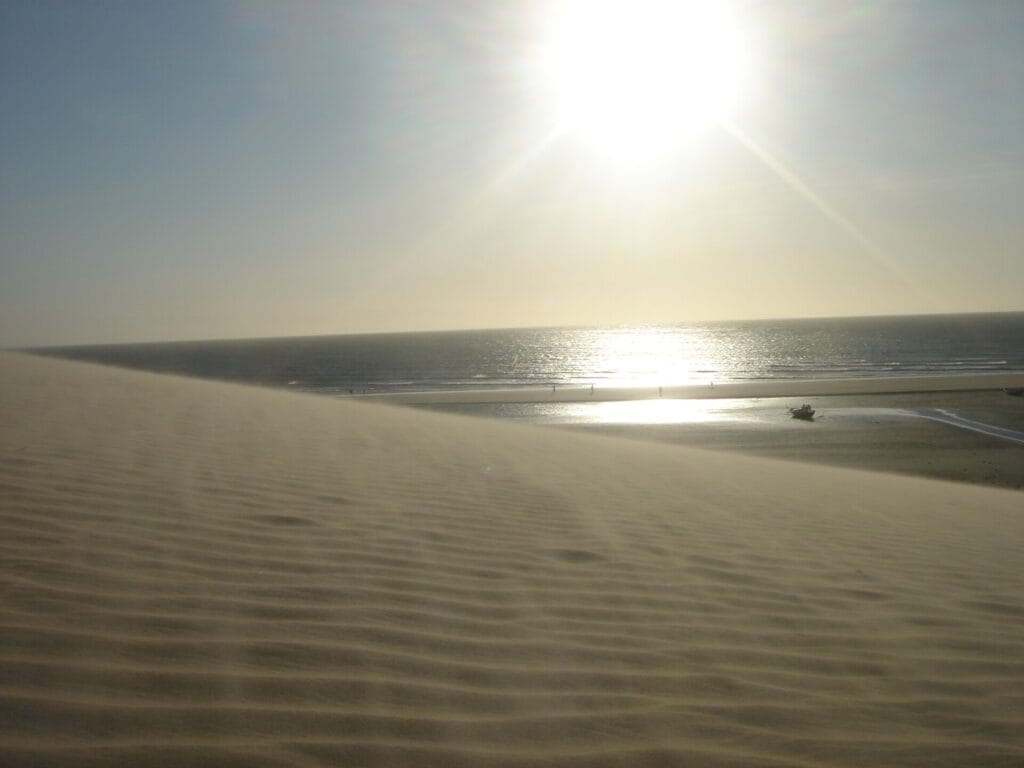
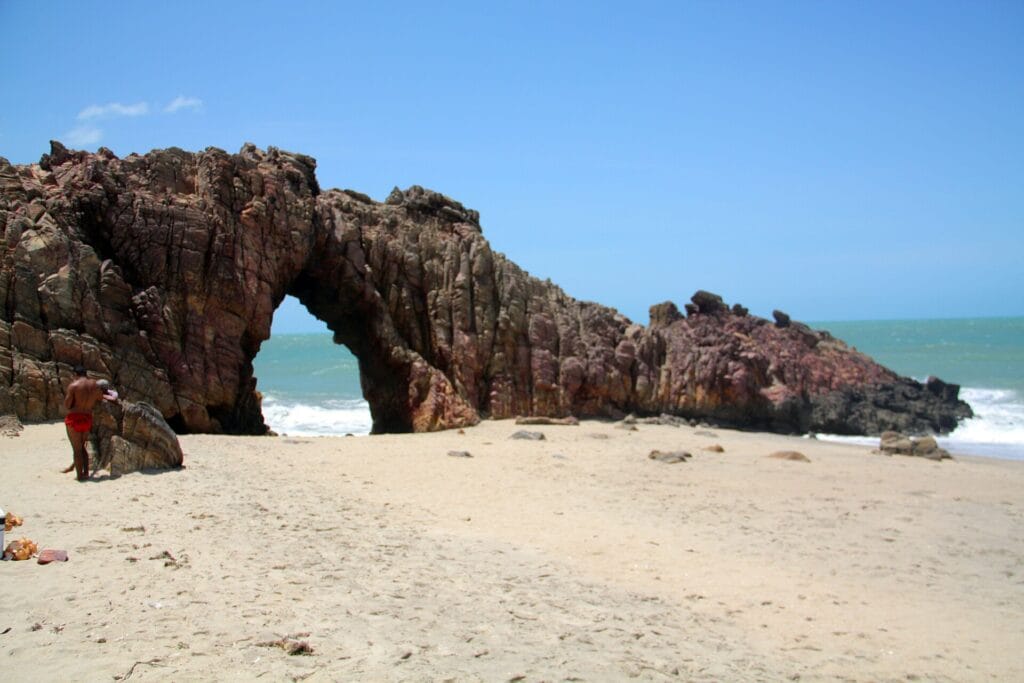
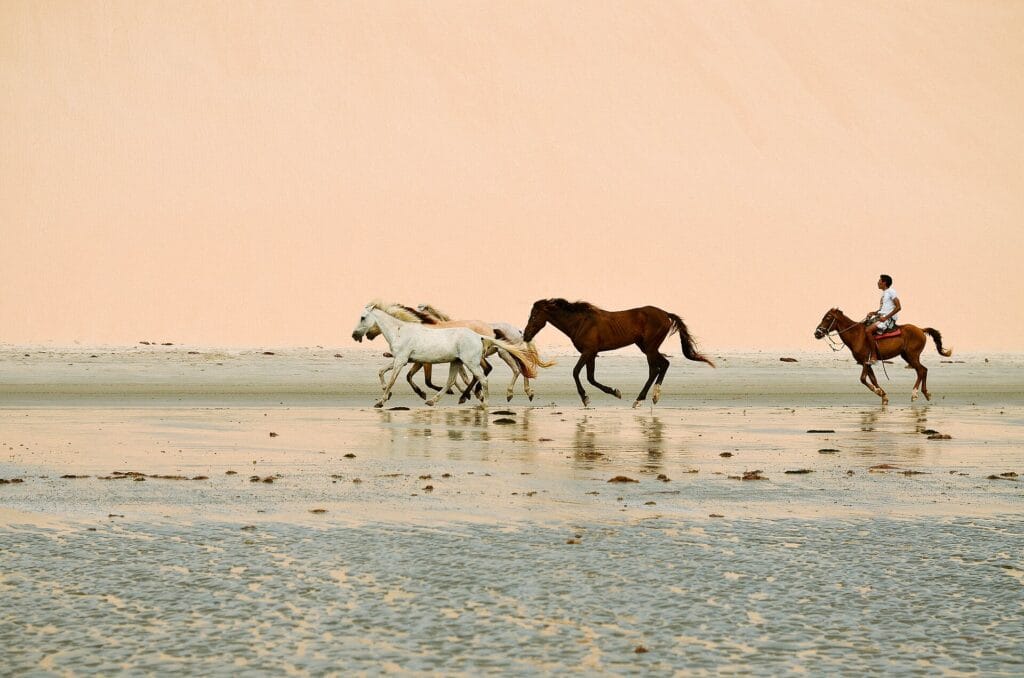
And yet Brazil wins this category without breaking a sweat. It has the Amazon. It has Iguacu Falls, which makes Niagara look like a garden feature. It has the Pantanal, the best place in South America to actually see wildlife — jaguars included, if you’re lucky and patient. Then there’s the coastline: thousands of miles of it, from Rio’s famous urban beaches to the dune-and-lagoon dreamscape of Jericoacoara to Fernando de Noronha, an offshore archipelago with visitor caps and the clearest water I’ve seen in the Americas. Mexico has spectacular nature; Brazil has a continent’s worth. Winner: Brazil, decisively.
Cities & culture: depth versus drama
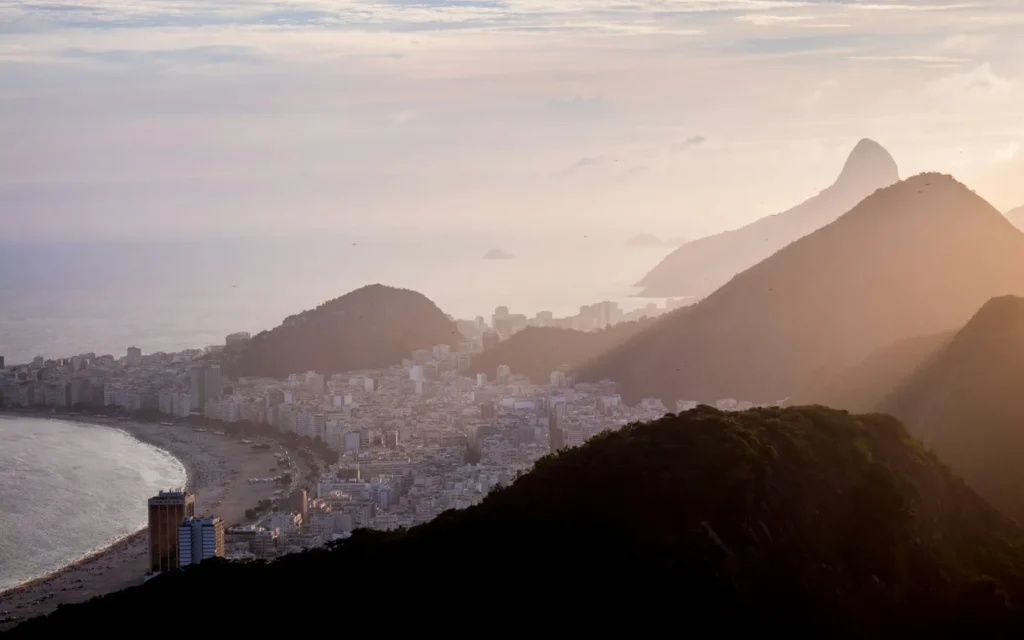
Rio de Janeiro might be the most dramatically beautiful city on Earth — granite peaks rising straight out of the sea, forest tumbling into neighborhoods, beach life woven into daily routine. Sao Paulo counters with Latin America’s most serious food and art scene, and Salvador’s Afro-Brazilian culture, drumming, and pastel colonial center feel like nowhere else. Brazil’s cities are unforgettable; they’re also spread across huge distances, so seeing two or three means flying.
Mexico wins on density and depth. Mexico City alone is worth a week — world-class museums, ancient ruins at Teotihuacan an hour away, Frida Kahlo’s Casa Azul, and a food scene that rivals any capital anywhere; our full guide to things to do in Mexico City barely scratched it. Then you layer on Oaxaca’s markets and mezcal country, Guanajuato’s tunnels and painted hillsides, San Miguel de Allende, Merida, and Maya ruins from Chichen Itza to sleepy jungle sites you’ll have almost to yourself. Three thousand years of civilization is stacked here in a compact, bus-connected package. Winner: Mexico, though Rio remains the single most stunning city in either country.
Weather & when to go
Brazil sits mostly south of the equator, so its seasons run opposite to North America’s: December through March is hot, humid summer — Carnival season, beach season, peak prices — while May through September brings milder, drier weather across much of the country and is honestly a lovely, underrated time to visit. The Amazon is hot and humid year-round, and the south can get genuinely chilly in July. Nothing about Brazil’s weather is bad; it just requires you to think upside down.
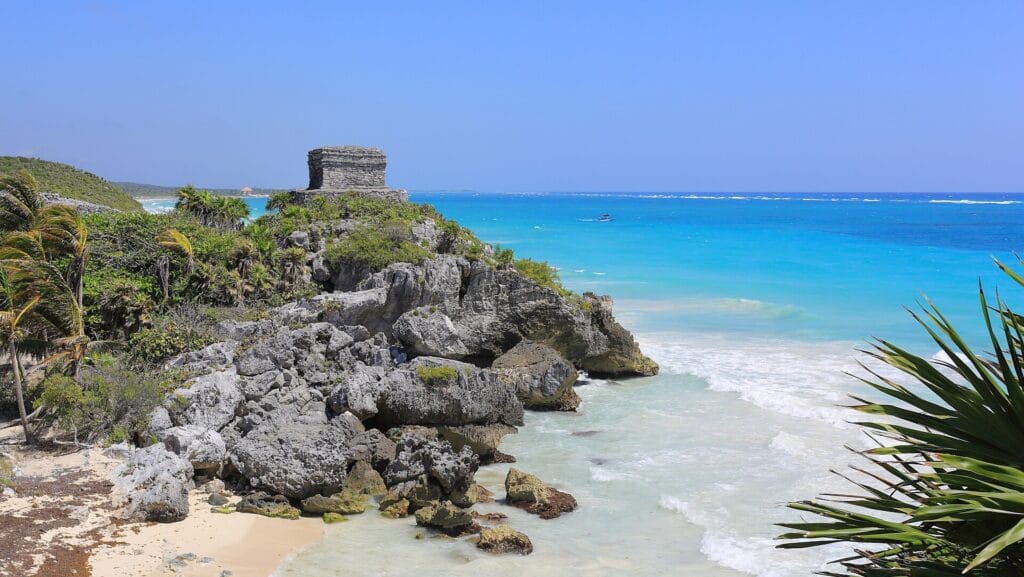
Mexico is simpler. The dry season runs roughly November through April, lining up perfectly with the northern-hemisphere winter, which is exactly when most US travelers want to escape. May through October brings afternoon rains, heavy humidity on the coasts, and hurricane risk on both seaboards from late summer into fall — September and October are the months I’d avoid on the Caribbean side. Highland cities like Mexico City and Oaxaca stay spring-like most of the year. For pure planning convenience for North American vacation calendars, winner: Mexico.
Getting around & safety: the practical stuff
Entry first, because it changed recently. Mexico requires no visa for US citizens — you fly in, get stamped as a tourist, and can be granted up to 180 days, though officers increasingly write in shorter stays, so check your stamp. Brazil, as of April 2025, once again requires US citizens to obtain a visa: it’s an e-visa handled online for roughly $80, typically valid for ten years, but you must sort it before you fly. It’s not hard, just one more thing to forget at your peril.
In-country logistics also favor Mexico. Its long-distance bus network is genuinely excellent — comfortable, punctual, and cheap — and budget domestic flights fill the gaps. Brazil’s sheer size makes buses impractical for big jumps (Rio to the Amazon is a multi-day ride), so most itineraries lean on domestic flights, which are reasonable if booked ahead but add cost and friction. Language is a real factor too: you’ll find more English in Mexico’s tourist corridors, and Spanish is easier to fake your way through than Portuguese for most Americans.
On safety, I’ll be honest rather than diplomatic: both countries demand more street smarts than Western Europe, and both are far more normal-feeling on the ground than the headlines suggest. In Brazil, petty theft is the main tourist risk — phones snatched on Rio beaches, valuables flashed in the wrong place — so carry little and stay aware. In Mexico, security varies enormously by state, so check current US State Department advisories for the specific regions on your route; the classic tourist circuits (Mexico City, Oaxaca, the Yucatan) see millions of visitors without incident. Ride-hailing apps work well in the big cities of both countries and beat street taxis. Winner: Mexico, mostly on proximity, entry simplicity, and easier logistics.
Nightlife & vibe
Mexico’s nights are great — mezcalerias where the pours come with orange slices and worm salt, grand old cantinas, rooftop bars over Mexico City’s zocalo, lucha libre matches that are half sport and half theater, and full-throttle resort clubbing in Cancun if that’s your thing. It’s varied and fun, and in Oaxaca or CDMX it can be genuinely sophisticated.
But nobody out-parties Brazil. Samba spilling out of the bars of Rio’s Lapa district on a random weeknight, beach kiosks serving caipirinhas until sunrise, Salvador’s drum corps rehearsing in the streets, Sao Paulo’s club scene running until mid-morning — music and dancing are not an activity in Brazil, they’re the atmosphere. And then there’s Carnival, the biggest party on the planet, which is worth building an entire trip around at least once in your life. Winner: Brazil, and it isn’t close.
Brazil or Mexico: the honest verdict
Budget travelers: Mexico. Daily costs are similar, but the $400–700 you save on flights and the visa fee is real money — often a whole extra week of travel. Foodies: Mexico, and I say that as someone who dreams about picanha. It’s simply one of the world’s two or three greatest food countries. Beach and nature lovers: Brazil. The Amazon, the Pantanal, Iguacu, and that absurd coastline give Brazil a natural portfolio Mexico can’t match, gorgeous as the cenotes are. First-timers to Latin America: Mexico — shorter flights, no visa, easier logistics, gentler learning curve.
If you forced me to pick one overall, I’d say: take Mexico if you have one or two weeks and a normal budget, and save Brazil for when you can give it three weeks and do it justice. Brazil punishes short trips; Mexico rewards them. If this matchup has you curious how each fares against other rivals, we’ve also compared Argentina vs Brazil, Argentina vs Mexico, and Colombia vs Mexico — the Latin America bracket is deep.
FAQ
Is Brazil or Mexico cheaper to visit?
Which is better for a football-fan trip?
Do US citizens need a visa for Brazil or Mexico?
Is Brazil or Mexico safer for tourists?
Planning the trip? Go deeper with best time to visit Brazil and our Mexico Travel guide.
You Might Also Love
More side-by-side comparisons




Written by
John Morrison is the founder and lead travel writer at Packzup. Over the past decade he has explored destinations across Africa, the Americas, Asia, Europe, the Middle East, and Oceania — always self-funded, never on a press trip.
