Last updated July 26, 2026 · Editorial policy
Quick take: Israel — But timing matters more than most guides admit. Here’s the real breakdown by month, based on weather data, crowd patterns, and local festivals. Spring (March-May) gives you wildflowers in the Galilee and Negev plus comfortable temperatures everywhere. October-November are equally lovely with fewer tourists after the High Holidays.
Israel packs an enormous variety of climates into a country the size of New Jersey — Mediterranean Tel Aviv, alpine-cool Jerusalem, scorching Dead Sea, semi-desert Negev. Religious calendars (Jewish, Christian, Muslim) also shape when sites are most powerful versus most crowded. Here is the practical breakdown.
Best time to visit Israel: at a glance
Short answer: April–May and October–November — warm but not scorching.
| Season | Months | What to expect |
|---|---|---|
| Peak | Apr–May, Sep–Oct | Pleasant, ideal sightseeing; busy around holidays |
| Shoulder (best value) | Mar, Nov | Mild, quieter |
| Low | Jul–Aug (hot), Dec–Feb (cool, rain) | Extreme heat or cool winter rain |
Best months to visit Israel
Spring (March-May) gives you wildflowers in the Galilee and Negev plus comfortable temperatures everywhere. October-November are equally lovely with fewer tourists after the High Holidays.

Month-by-month overview
When to avoid Israel
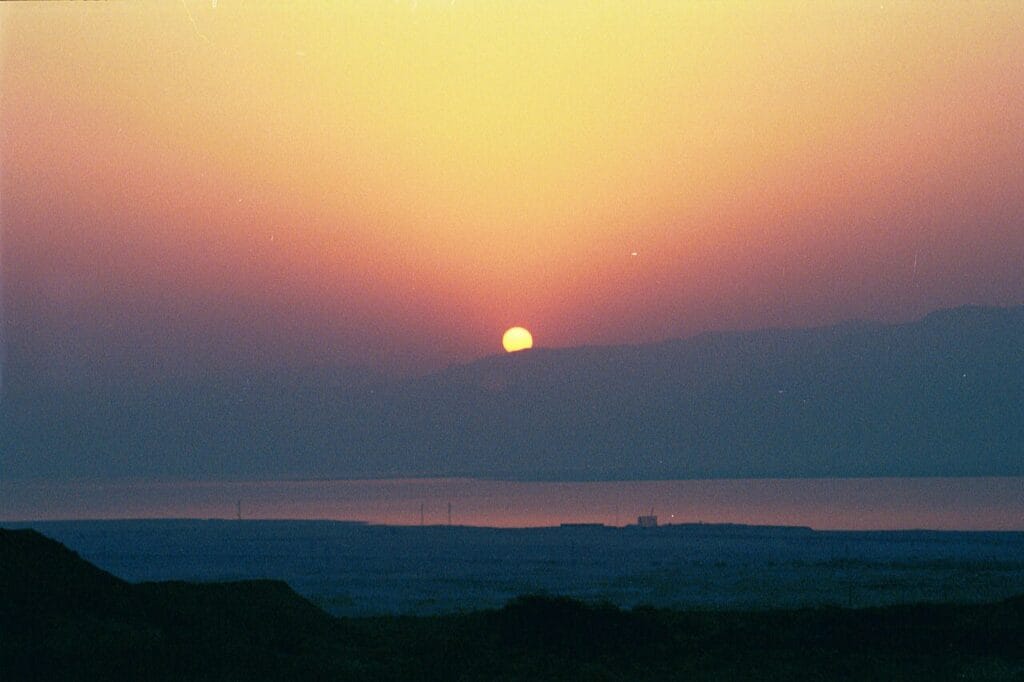
July-August are unbearably hot in the south (Dead Sea, Eilat, Negev) and very busy in Tel Aviv. September and major Jewish holidays (Rosh Hashanah, Yom Kippur, Sukkot) bring closures and transport disruptions.
Key events and festivals
- Passover (Pesach) (April (8 days)): Major Jewish holiday; many restaurants closed; transport limited on the day itself.
- Israel Festival (Late May – early June): International performing-arts festival in Jerusalem.
- Rosh Hashanah and Yom Kippur (September / early October): Country-wide closures; on Yom Kippur, no traffic moves — eerie and beautiful.
- Christmas in Bethlehem (December 24-25): Pilgrims fill Manger Square; book months ahead.
A local insider tip
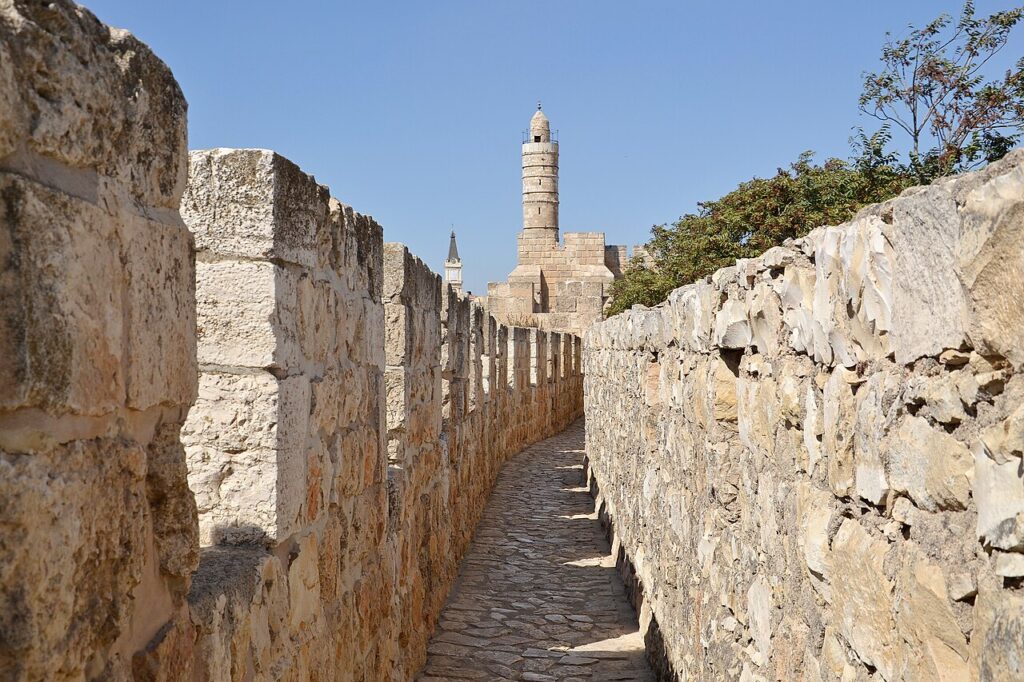
If you want to see Jerusalem at its most powerful, time a Friday evening with the Western Wall during Shabbat. The square fills with families, singing, and dancing in a way no photograph captures. Stay nearby (Mamilla or the Old City) so you don’t need to drive home — taxis vanish for 25 hours.
There Is No Single Best Time: Match the Month to the Region
The honest answer is that Israel is too geographically split to have one best month. The country runs from a Mediterranean coast to a desert that touches the Red Sea, so the ‘right’ time depends on where you are pointing the trip. April-May and October-November are the safe national sweet spot for moving around freely, with smaller crowds and cheaper rooms than the holiday peaks. But two regions break that rule entirely.
Eilat and the Red Sea flip the calendar. While the coast cools, Eilat stays around 20-25C on winter days, with Red Sea water still about 21C and reef diving running year-round. It is Israel’s driest spot, taking only roughly 20-40mm of rain a year and holding about 7 hours of sun even in December, which makes January a genuine beach window when the north is wet.
The stretch to actively avoid is high summer in the south. The Dead Sea, Sedom and central Negev routinely hit around 40-43C in July and August, turning daytime sightseeing into a health risk rather than a pleasure.
- Coast and cities (Tel Aviv): swim from about April into December; sea peaks near 28C in August.
- Desert and Eilat: best November to March, worst in midsummer heat.
Frequently asked questions
When is the cheapest time to visit Israel?
Mid-January through February and mid-November have the cheapest flights to Tel Aviv — sometimes 40% below Passover or summer peak. Hotels also discount.
When is the best time for the Dead Sea?
October-November and March-April. Avoid June-August when temperatures hit 40°C+ and even floating in salt water becomes uncomfortable.
Is Jerusalem cold in winter?
Yes — Jerusalem sits 800m up and can see snow January-February. Bring layers. Tel Aviv 90 minutes away stays mild.
When are wildflowers best in Israel?
Mid-March through April. The Negev anemone fields (around Be eri) peak late February; Galilee in late March.
Should I avoid travelling during Jewish holidays?
Plan around them: Rosh Hashanah, Yom Kippur, and Passover bring closures. But experiencing Yom Kippur firsthand (no traffic, kids on bicycles in the streets) is unforgettable.
Plan your Israel trip
You Might Also Love

Written by
John Morrison is the founder and lead travel writer at Packzup. Over the past decade he has explored destinations across Africa, the Americas, Asia, Europe, the Middle East, and Oceania — always self-funded, never on a press trip.