
Last updated September 3, 2026 · Editorial policy
Cusco sits in the mid-range tier of travel destinations, where comfortable travel costs real money but buys a clear upgrade over budget options. This page breaks down what an honest daily budget actually looks like, where the costs concentrate, and which line items are worth spending up on. The numbers below assume a mid-range traveller in Peru — adjust upward or downward based on your own travel style.
More: When to visit Cusco · Cusco travel guide
Daily budget for Cusco, by traveller style
| Travel style | Daily budget (USD) | What that gets you |
|---|---|---|
| Shoestring | $50–80/day | Hostels or budget guesthouses, mostly self-catered or street food, public transport, free or low-cost activities. |
| Comfortable mid-range | $100–180/day | Private room in a mid-range hotel or guesthouse, casual sit-down restaurants, mix of public transport and occasional taxis, paid attractions as the trip allows. |
| Premium | $220+/day | Well-located hotels with character, the better local restaurants, taxis or rentals as default, curated experiences and guided tours. |
Where the daily cost goes
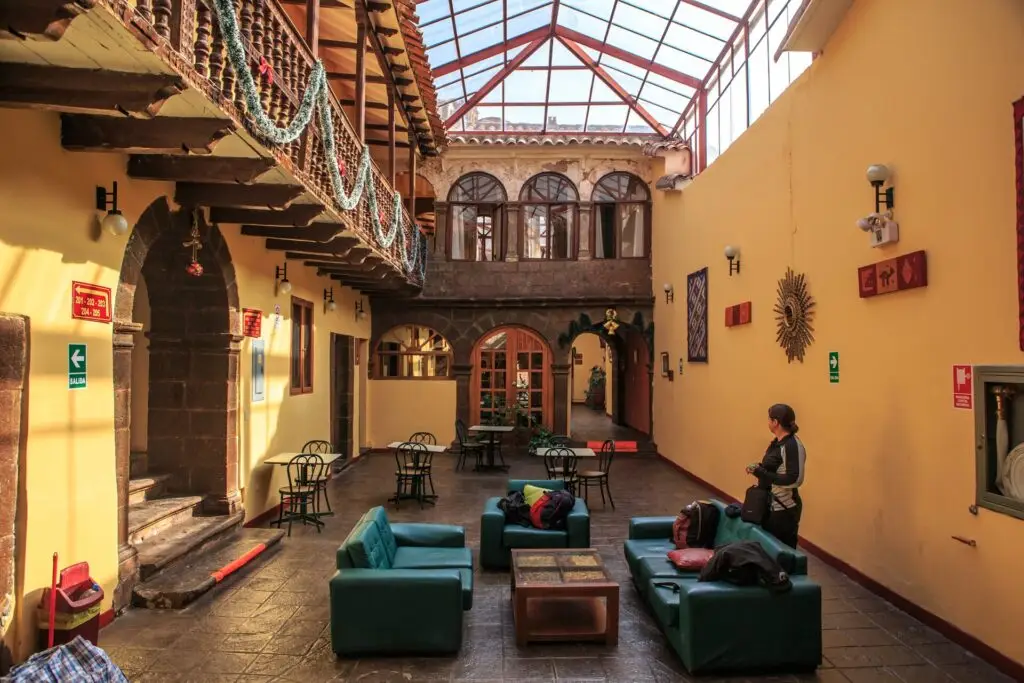
- Accommodation: $50–150 (boutique hotels, mid-range Airbnbs) per night, depending on location and season.
- Meals: $10–35 (casual to good restaurants) per meal, with strong variation between local-style spots and tourist-facing restaurants.
- Local transport: $10–25/day (metro, occasional taxi), more if you take long-distance day trips.
- Activities: $15–60 (museums, guided experiences), with the bigger-ticket items (guided tours, multi-day excursions) running higher.
Sample 7-day Cusco budget
At the comfortable mid-range tier, a 7-day trip to Cusco typically lands between $700 and $1,260 per person: excluding international flights. That covers accommodation, food, local transport, and a typical mix of paid attractions and unscheduled meals.
Where to save without compromising the trip
The strongest savings come from choosing accommodation neighbourhoods that are well-connected but a stop or two away from the central tourist zone. Eating one substantial meal a day rather than three large ones (and snacking from markets) also moves the daily food cost down significantly. Shoulder-season pricing on accommodation is often 30–40% lower than summer peak.
Where to splurge well
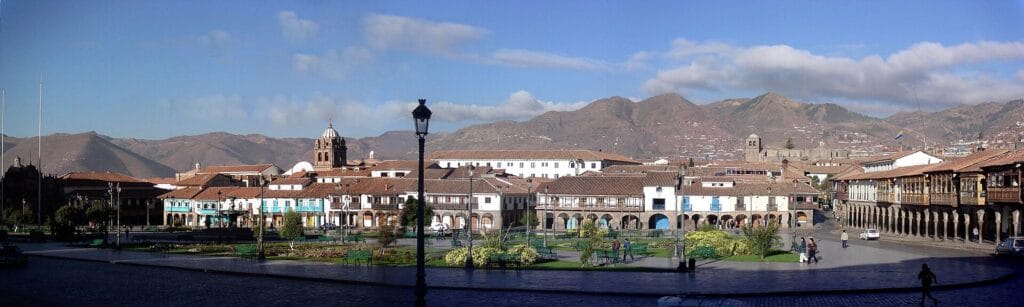
If you’re going to spend up on one thing in Cusco, base it on the destination’s strongest signature: history. A single high-quality experience tied to that, a meal, a guided cultural session, a specialist tour, a one-night upgrade — is usually the line item travellers remember years later. The rest of the trip can stay at the comfortable mid-range.
When prices fall
Accommodation and activity pricing in Cusco is lowest in the months outside its best window. The most reliable months for Cusco are May–September; everything outside that range typically drops 20–40% on accommodation. The trade-off is weather or crowd density: sometimes both. See the best-time guide for the specifics.
Quick facts
- Budget tier: Mid-range
- Currency / country: Peru
- Recommended trip length: 5-10d
- Best months for value-to-experience ratio: May–September
Keep planning
For the full first-hand reporting, see the Cusco travel guide. For seasonal timing and price-drop windows, the month-by-month guide goes deeper. To compare Cusco’s pricing against another destination side by side, use the interactive comparison tool.
Other destinations in the region
The big-ticket extras and hidden fees that blow a Cusco budget
Cusco’s daily tiers only tell half the story, because the sights most people fly in for sit outside any reasonable daily figure and have to be budgeted as one-off lump sums. The Boleto Turistico (the combined ticket covering Sacsayhuaman and most ruins) runs around 130 soles, roughly USD 35, for the full 10-day version; a single-day partial ticket is about 40 soles (around USD 11). A standard Machu Picchu entry is around 152 soles (about USD 45), rising to roughly 200 soles (about USD 56) if you add Huayna Picchu. The PeruRail Expedition train from Ollantaytambo is about USD 72 each way, so the round trip alone is more than most travelers’ daily food spend.
Where money quietly leaks:
- ATM withdrawals carry a surcharge of about 18-36 soles (roughly USD 5-10) per pull; Banco de la Nacion is usually fee-free, and declining the machine’s currency conversion saves another 3-5 percent.
- There is no Peru tourist visa or eVisa fee for US, UK, EU, Canadian and Australian visitors; you get a free 90-day stamp on arrival, so any ‘visa service’ charge is wasted money.
- Buying the partial Boleto instead of the full one, when you only want a couple of sites, keeps around USD 24 in your pocket.
Frequently Asked Questions
Is Cusco Travel expensive to visit?
Cost depends on your travel style and timing. By the daily budget table on this page, Cusco Travel Budget runs shoestring $50-80/day, comfortable mid-range $100-180/day, premium $220+/day. Shoulder season offers the best value-to-experience ratio.
How can I save money in Cusco Travel?
Key savings strategies include traveling in shoulder season, eating at local spots instead of tourist restaurants, using public transportation, and booking activities directly rather than through hotel concierges. Free walking tours are available in most major destinations.
What is the cheapest way to get to Cusco Travel?
Compare flights across multiple airlines and booking platforms. Flying midweek and during off-peak months typically yields the lowest fares. Consider nearby alternate airports and budget carriers for additional savings.
Should I exchange money before arriving in Cusco Travel?
Exchange a small amount for immediate expenses, then use ATMs locally for better rates. Avoid airport exchange counters which typically charge 5-10% more. A travel credit card with no foreign transaction fees is ideal for larger purchases.
Not sure where you can afford to go? Try our Travel Budget Finder — enter your budget and see which of 200 countries fit, or estimate a trip cost by country.
You Might Also Love




Written by
Drew Treasury is a contributing travel writer at Packzup, specialising in city culture, food markets, street art, and neighbourhood-level travel.
Working out the money? Check whether your destination is a cash or card country, how much to bring, and how to dodge ATM fees and the DCC trap.
