
Last updated August 29, 2026 · Editorial policy
- Best time to visit Iceland: at a glance
- Best Time to Visit Iceland: Month-by-Month Guide
- Best Months to Visit Iceland
- Iceland Travel Seasons at a Glance
- Weather in Iceland
- Festivals & Events in Iceland
- When to Visit by Travel Goal
- What to Avoid
- Booking Tips
- Why September Beats Peak Summer for a First Iceland Trip
- Frequently Asked Questions
- Related Iceland Travel Guides
- Iceland Month-by-Month Guides
Best time to visit Iceland: at a glance
Short answer: June–August for mild weather; September–March for the Northern Lights.
| Season | Months | What to expect |
|---|---|---|
| Peak | Jun–Aug | Midnight sun, all roads open; busiest |
| Shoulder (best value) | May, Sep | Fewer crowds, good light, lower rates |
| Low | Oct–Apr | Cold, dark — but prime aurora season |
Best Time to Visit Iceland: Month-by-Month Guide
Quick answer: The best time to visit Iceland is June-August (summer), September-March (northern lights) — ideal weather, fewer crowds than peak, and reasonable prices.
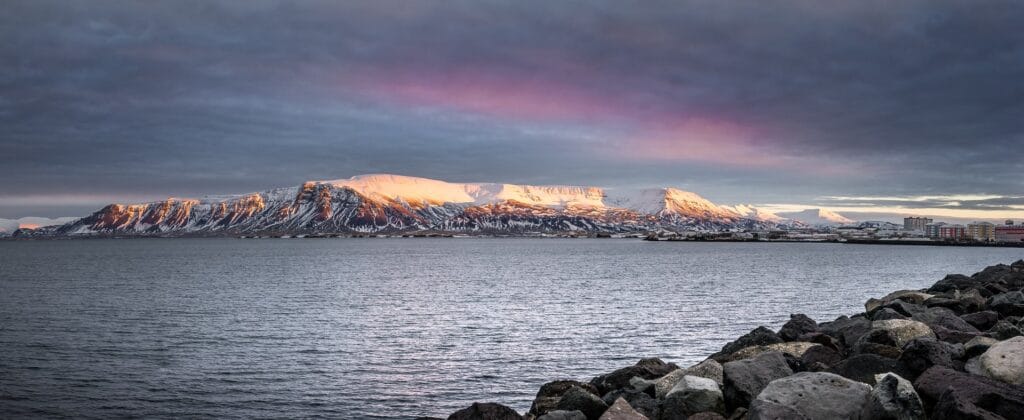
Peak: July-August · Off-season: November-February
Knowing the best time to visit Iceland can transform your trip — saving you hundreds on flights and hotels while putting you in better weather with fewer crowds. This guide breaks down each season, key events, and what to expect month by month so you can pick the right travel dates.
Best Months to Visit Iceland
Top pick: Late May through June is Iceland’s strongest window. Daylight runs near round-the-clock around the June solstice, puffins are ashore at Latrabjarg and the Westman Islands, and the Highland F-roads toward Landmannalaugar usually begin opening late in the month. Reykjavik highs sit roughly 10-13C. July and August bring the heaviest Ring Road crowds, so late-May trips are typically quieter and cheaper.
Iceland Travel Seasons at a Glance
| Season | Months | What to Expect |
|---|---|---|
| Peak | July-August | Best weather (for that region), highest prices, biggest crowds. Book hotels 3-6 months ahead. |
| Shoulder | June-August (summer), September-March (northern lights) | Sweet spot: good weather, moderate crowds, 15-30% lower prices than peak. |
| Off-season | November-February | Cheapest, quietest. Some sights may be closed. Best for budget travelers and shoulder-month flexibility. |
Weather in Iceland
Cool maritime; long summer days; dark winters. Typical peak season highs: 50-60°F summer; 28-38°F winter.
Festivals & Events in Iceland
The tightest booking window is New Year’s Eve in Reykjavik, when the city’s bonfires and fireworks typically sell out central hotels months in advance; Iceland Airwaves in early November is the runner-up, so lock in rooms and rental cars early for either.
- Reykjavik Pride (Aug)
- Iceland Airwaves music (Nov)
- Aurora season (Oct-Mar)
When to Visit by Travel Goal
- Best weather: Visit during June-August (summer), September-March (northern lights). Comfortable temperatures, low rainfall, manageable crowds.
- Lowest prices: November-February. Hotels and flights cut 30-50%. Trade weather for savings.
- Fewest crowds: November and mid-January through March are Iceland’s quietest stretch outside the Christmas-New Year rush, with aurora darkness as the payoff; early May and October also stay calm while offering easier driving weather than midwinter.
- Festivals & culture: Iceland Airwaves takes over Reykjavik venues in early November, and Reykjavik Pride draws some of the city’s biggest crowds in early-to-mid August; both tighten downtown hotel availability, so reserve rooms several months ahead.
- Outdoor activities: Avoid peak rain/hurricane months. June-August (summer), September-March (northern lights) is generally optimal.
- Budget travelers: November and January through February (skipping the Christmas-New Year weeks) are typically Iceland’s cheapest window for flights and hotels, and the long nights are prime aurora time; midweek departures and Keflavik fare alerts stretch the savings further.
What to Avoid
- Peak crowds: July-August brings 2-3x the visitors. Major sites require ticket reservations weeks ahead.
- Major holidays: Commerce Day weekend (the first Monday of August) is Iceland’s biggest domestic travel weekend; campsites and Westman Islands ferries fill fast. Icelandic National Day (June 17), Easter week, and the Christmas-New Year stretch also concentrate local crowds and holiday closures.
- Closures: Highland F-roads to Landmannalaugar and Thorsmork close from around late October until mid-to-late June, taking Highland huts and campsites with them; some rural guesthouses and tours pause in deep winter, while Reykjavik, the Golden Circle, and the Blue Lagoon stay open year-round.
Booking Tips
- Iceland’s peak is June-August, when midnight-sun demand fills flights early; book those dates around 3-5 months out. Northern-lights trips (September-March) usually leave more room, though Christmas, New Year, and February half-term departures also fill well ahead.
- May and September are Iceland’s true shoulder months: rates and crowds drop while daylight stays generous. September adds the first reliable northern lights and Highland F-roads that typically stay open into October; May trades aurora for long bright evenings before peak pricing begins.
- Iceland’s peak tracks visitor-origin school calendars more than local ones: US and UK summer breaks (June through August) drive the high season, while UK half-terms around late October and February, plus Easter holidays across Europe, typically add noticeable bumps to northern-lights season.
- Insurance earns its keep in Iceland: winter storms from roughly October through April regularly shut the Ring Road and delay flights, and occasional volcanic activity on the Reykjanes peninsula has disrupted travel plans in recent years; choose a policy covering weather delays and rebooking.
Why September Beats Peak Summer for a First Iceland Trip
The percentages elsewhere on this page hide the one detail that should decide your dates: September is the only stretch when the Highland F-roads are still open and the northern lights have come back. From late May through early August the midnight sun keeps the sky too bright for aurora, so summer visitors trade darkness for daylight whether they want to or not. By late August astronomical darkness returns, and September nights deliver the season’s first reliable shows, usually between about 9 pm and 2 am, helped by the autumn equinox feeding more solar wind toward the poles.
The roads cooperate too. Routes like F208 to Landmannalaugar and F249 to Thorsmork open mid-to-late June and generally stay passable until late October, while the remote interior (Askja, Sprengisandur) often waits until early July. September catches the tail of that window with September daytime highs around 11C (52F), cooling to roughly 4 to 6C (40 to 42F) at night by month’s end.
- Sweet spot: late August through September (and May, with spring highs near 10C/50F) for thinner crowds and softer rates
- Avoid for a Highland trip: November to April, when the F-roads are shut by snow
Frequently Asked Questions
What is the best month to visit Iceland?
The single best time to visit Iceland depends on your priorities. For ideal weather plus reasonable crowds, target June-August (summer), September-March (northern lights). Peak season is July-August (busiest, highest prices). Off-season is November-February (cheapest, least crowded — but check what’s open).
What’s the cheapest time to visit Iceland?
The cheapest time to visit Iceland is during the off-season: November-February. Flights and hotels drop 30-50%. Trade-offs: some sights/restaurants may close, weather may be less favorable, fewer events.
When should I avoid Iceland?
Avoid Iceland during peak season (July-August) if you want fewer crowds and lower prices. Also consider local school holidays (when domestic travel surges) and weather extremes (50-60°F summer; 28-38°F winter during peak heat).
What is the weather like in Iceland?
Cool maritime; long summer days; dark winters. Summer highs and winter lows vary by altitude, coast vs. inland, and exact location within Iceland. Always check the specific city forecast a week before departure.
Are there major festivals iReykjavik?
Yes — Iceland hosts notable events including: Reykjavik Pride (Aug), Iceland Airwaves music (Nov), Aurora season (Oct-Mar). Major festivals can spike hotel prices 50-200% — book 3-6 months ahead if attending.
What should I pack for Iceland?
Pack for the season you’re visiting and the climate zone. Summer in Iceland: lightweight breathable clothes, sunscreen, hat, comfortable walking shoes. Winter: layers, waterproof jacket, warm accessories. Check the 10-day forecast 1-2 weeks before departure and adjust.
Related Iceland Travel Guides
- Best Things to Do in Iceland
- Where to Stay in Iceland
- Best Food in Iceland
- How Much Does a Trip to Iceland Cost?
- Iceland Itinerary Guide
Iceland Month-by-Month Guides
Iceland in June · Iceland in July · Iceland in August · Iceland in September
Key Takeaways
- Best months: June, August, September
- Avoid: Peak tourist season for lower prices and fewer crowds
- Budget tip: Shoulder months offer the best value — good weather at 30-50% lower costs
- Book ahead: Flights and hotels are cheapest 6-8 weeks before travel
🗺️ More Iceland guides: Budget Guide · Complete Guide
Want the full month-by-month breakdown? See our Iceland weather by month (temperatures, rainfall & crowds).
Related guide: Iceland Ring Road Itinerary — the complete 7-day Ring Road self-drive.
Climate data source: monthly temperature and rainfall figures on this page come from Open-Meteo’s Historical Weather API, which serves the ECMWF ERA5 reanalysis (Copernicus Climate Change Service). Five-year averages, 2019–2023. See our data methodology.
Iceland weather & climate by month
Best months to visit: June, July, May. Iceland’s warmest month is July (avg 13°C / 56°F), the coolest is December (low -3°C / 27°F). The wettest is December (95 mm) and the driest is June.
| Month | Avg high | Avg low | Rainfall | Rainy days |
|---|---|---|---|---|
| January | 2°C / 35°F | -3°C / 27°F | 87 mm | 15 |
| February | 2°C / 36°F | -2°C / 29°F | 91 mm | 15 |
| March | 3°C / 37°F | -2°C / 29°F | 81 mm | 14 |
| April | 7°C / 44°F | 2°C / 35°F | 59 mm | 12 |
| May | 9°C / 48°F | 4°C / 39°F | 53 mm | 11 |
| June | 11°C / 52°F | 7°C / 44°F | 43 mm | 9 |
| July | 13°C / 56°F | 9°C / 48°F | 50 mm | 10 |
| August | 13°C / 56°F | 9°C / 47°F | 65 mm | 12 |
| September | 10°C / 51°F | 6°C / 43°F | 87 mm | 15 |
| October | 7°C / 44°F | 3°C / 37°F | 80 mm | 13 |
| November | 4°C / 40°F | 1°C / 33°F | 87 mm | 14 |
| December | 1°C / 34°F | -3°C / 27°F | 95 mm | 15 |
Climate source: Open-Meteo / WMO climate normals (WMO 1991–2020, or ERA5 2019–2023 where unavailable). Compare destinations in the Best Time to Visit Index.
You Might Also Love

Written by
John Morrison is the founder and lead travel writer at Packzup. Over the past decade he has explored destinations across Africa, the Americas, Asia, Europe, the Middle East, and Oceania — always self-funded, never on a press trip.
