Last updated August 21, 2026 · Editorial policy
- Best time to visit Singapore: at a glance
- Best Time to Visit Singapore: Month-by-Month Guide
- Festivals & Events in Singapore
- When to Visit by Travel Goal
- What to Avoid
- Booking Tips
- The Real Sweet Spot: Why February Beats the Headline Shoulder Months
- Frequently Asked Questions
- Related Singapore Travel Guides
Best time to visit Singapore: at a glance
Short answer: year-round — February to April is the driest stretch.
| Season | Months | What to expect |
|---|---|---|
| Peak | Jun–Jul, Dec | School holidays & events; busiest |
| Shoulder (best value) | Feb–Apr | Driest, slightly fewer crowds |
| Low | Nov–Jan | Wettest (monsoon showers) |
Best Time to Visit Singapore: Month-by-Month Guide
Knowing the best time to visit Singapore can transform your trip — saving you hundreds on flights and hotels while putting you in better weather with fewer crowds. This guide breaks down each season, key events, and what to expect month by month so you can pick the right travel dates.
| Season | Months | What to Expect |
|---|

Festivals & Events in Singapore
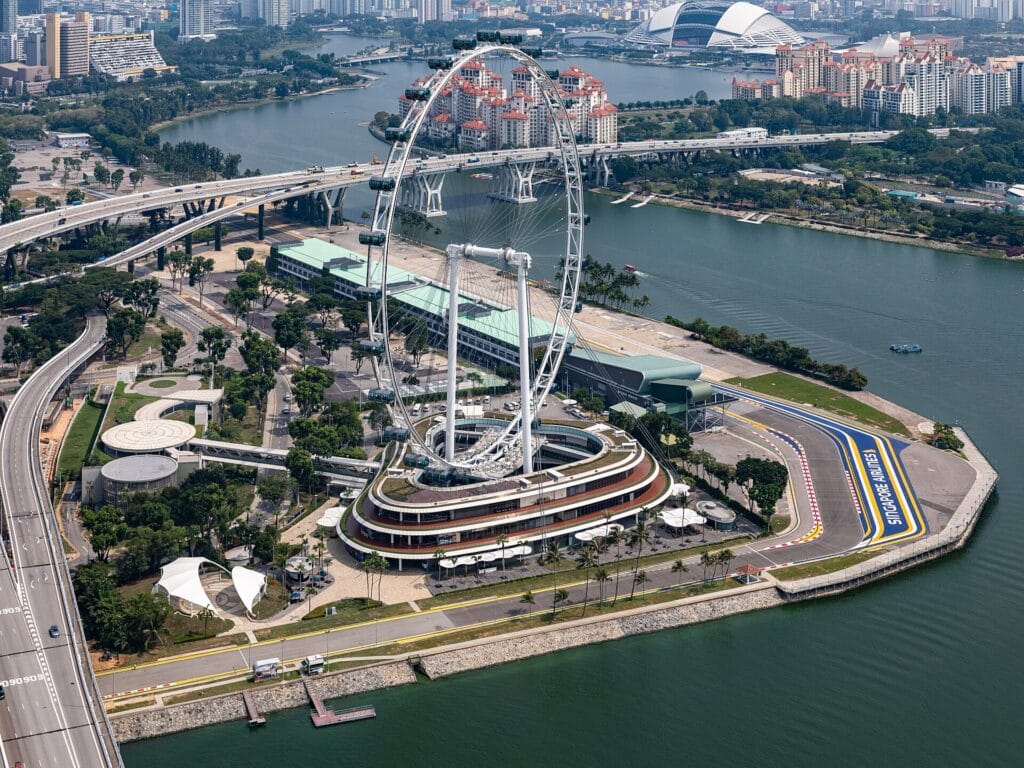
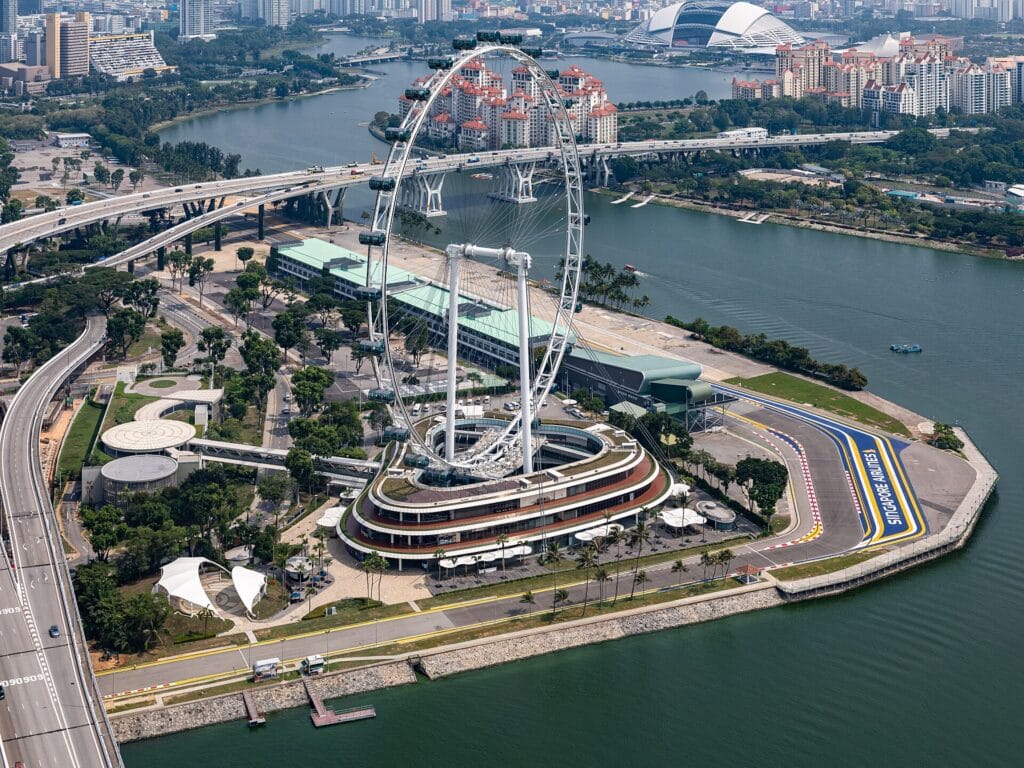
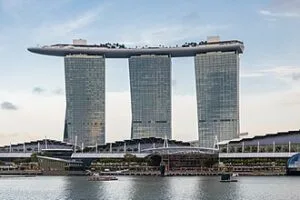
The Singapore Grand Prix is the one date that demands early planning: for race week, typically late September or early October, Marina Bay hotels sell out months ahead and citywide rates jump sharply. Lock rooms and grandstand tickets as soon as dates are confirmed.
- Chinese New Year (Jan-Feb)
- Singapore Grand Prix (F1 Night Race) (Sep-Oct)
- Deepavali (Oct-Nov)
- Thaipusam (Jan-Feb)
- Hari Raya Puasa (Mar (shifts ~11 days earlier each year; 2026 = Mar 21))
When to Visit by Travel Goal
- Fewest crowds: Late February through April is typically the calmest dry stretch, once Chinese New Year crowds disperse. October and November are quieter still but wetter, with monsoon showers most afternoons. Skip June-July, December, and Grand Prix week if crowds bother you.
- Festivals & culture: The Singapore Grand Prix night race (typically late September to early October) is the marquee event and sends Marina Bay hotel rates soaring. Chinese New Year (Jan-Feb) brings the Chingay Parade and River Hongbao. Book months ahead for either.
- Budget travelers: The best value typically comes late February through April, after Chinese New Year clears, and in rainy November before the December rush. Avoid Grand Prix week (Sep-Oct), when hotel rates spike; mid-week arrivals help year-round.
What to Avoid
- Major holidays: Chinese New Year (Jan-Feb) is the biggest mover, with regional visitors pouring in and some shops closing. Hari Raya Puasa (around March in 2026), National Day on August 9, and Deepavali (Oct-Nov) also lift crowds and hotel demand.
- Closures: Little closes seasonally in Singapore, but many hawker stalls and family-run shops shut for the first day or two of Chinese New Year (Jan-Feb). Big attractions like Gardens by the Bay run year-round; outdoor plans suffer most during Nov-Jan monsoon downpours.
Booking Tips
- Fares to Singapore climb around the June-July school break, December holidays, and Grand Prix week (typically late September); book roughly 3-4 months ahead for those windows. For the drier February-April shoulder, 6-8 weeks out is usually enough.
- Set Google Flights price alerts for your target dates.
- Singapore’s shoulder runs February to April: the driest skies of the year, slightly thinner crowds, and softer hotel rates than the December or June-July peaks. The trade is that the heat never leaves; expect highs around 30-31C and heavy humidity in any month.
- Singapore’s own June and November-December school breaks set the peaks, and Malaysian, Indonesian, and Australian holidays typically pile onto the same windows. Chinese New Year adds a regional surge in Jan-Feb, so February-April outside that stretch stays noticeably calmer.
- Singapore sits outside the typhoon belt, so weather rarely wrecks a trip; the stronger cases for insurance are its high private medical costs and Sep-Oct haze episodes that can smother outdoor plans. Cover that includes medical care and trip interruption is the sensible pick.
The Real Sweet Spot: Why February Beats the Headline Shoulder Months
Most guides hand you a tidy answer of April-May or September-October, but the single best window is narrower than that. Aim for February. It is the driest month of the year at around 160mm of rain, sitting in the dry phase of the Northeast Monsoon after the December deluge has cleared and before the pre-monsoon humidity builds. You still get the warmth Singapore is known for, with daytime highs near 31C and nights that rarely drop below 23-25C, but the skies stay clearer and outdoor walking is genuinely pleasant rather than a sweat test.
February also stacks the cultural calendar in your favor. Depending on the lunar dates, you can catch Chinese New Year, the Chingay Parade, and Thaipusam in a single trip.
Two periods to plan around:
- December (avoid for weather): the wettest month, often 200-300mm, with the Northeast Monsoon delivering rain on most days and into the evening.
- September-October (avoid for air): haze from Sumatran land-clearing fires can drift over the city during the Southwest Monsoon, cutting visibility and dampening any rooftop or garden plans.
If February does not fit, late March keeps the dry-season payoff with thinner crowds and softer hotel rates than the December peak.
Frequently Asked Questions
Are there major festivals in Singapore?
Yes — Singapore hosts notable events including: Chinese New Year (Jan-Feb), Singapore Grand Prix (F1 Night Race) (Sep-Oct), Deepavali (Oct-Nov), Thaipusam (Jan-Feb), Hari Raya Puasa (Mar (shifts ~11 days earlier each year; 2026 = Mar 21)). Major festivals can spike hotel prices 50-200% — book 3-6 months ahead if attending.
What should I pack for Singapore?
Pack for the season you’re visiting and the climate zone. Summer in Singapore: lightweight breathable clothes, sunscreen, hat, comfortable walking shoes. Winter: layers, waterproof jacket, warm accessories. Check the 10-day forecast 1-2 weeks before departure and adjust.
Related Singapore Travel Guides
- Best Things to Do in Singapore
- Where to Stay in Singapore
- Best Food in Singapore
- How Much Does a Trip to Singapore Cost?
- Singapore Itinerary Guide
Singapore weather & climate by month
Best months to visit: February, January, July. Singapore’s warmest month is March (avg 31°C / 87°F), the coolest is January (low 24°C / 74°F). The wettest is June (394 mm) and the driest is February.
| Month | Avg high | Avg low | Rainfall | Rainy days |
|---|---|---|---|---|
| January | 29°C / 84°F | 24°C / 74°F | 209 mm | 23 |
| February | 30°C / 86°F | 24°C / 74°F | 114 mm | 19 |
| March | 31°C / 87°F | 24°C / 75°F | 225 mm | 25 |
| April | 30°C / 86°F | 25°C / 76°F | 290 mm | 26 |
| May | 30°C / 86°F | 25°C / 78°F | 301 mm | 27 |
| June | 29°C / 85°F | 25°C / 77°F | 394 mm | 27 |
| July | 29°C / 85°F | 25°C / 77°F | 258 mm | 24 |
| August | 29°C / 85°F | 25°C / 77°F | 261 mm | 26 |
| September | 30°C / 85°F | 25°C / 76°F | 244 mm | 24 |
| October | 30°C / 86°F | 24°C / 76°F | 336 mm | 28 |
| November | 30°C / 85°F | 24°C / 75°F | 359 mm | 27 |
| December | 29°C / 84°F | 24°C / 74°F | 335 mm | 29 |
Climate source: Open-Meteo ERA5 reanalysis (2019–2023). Compare destinations in the Best Time to Visit Index.
You Might Also Love


Written by
John Morrison is the founder and lead travel writer at Packzup. Over the past decade he has explored destinations across Africa, the Americas, Asia, Europe, the Middle East, and Oceania — always self-funded, never on a press trip.