
Last updated September 3, 2026 · Editorial policy
Best time to visit Cusco: at a glance
Short answer: May to September — the dry season (book Machu Picchu well ahead).
| Season | Months | What to expect |
|---|---|---|
| Peak | Jun–Aug | Dry, sunny, clear; busiest |
| Shoulder (best value) | May, Sep–Oct | Dry, fewer crowds |
| Low | Nov–Apr | Rainy; Inca Trail closed in February |
Best Time to Visit Cusco: Month-by-Month Guide
Quick take: Timing your Cusco trip right makes everything better: lower prices, better weather, fewer crowds. Month-by-month reality below.
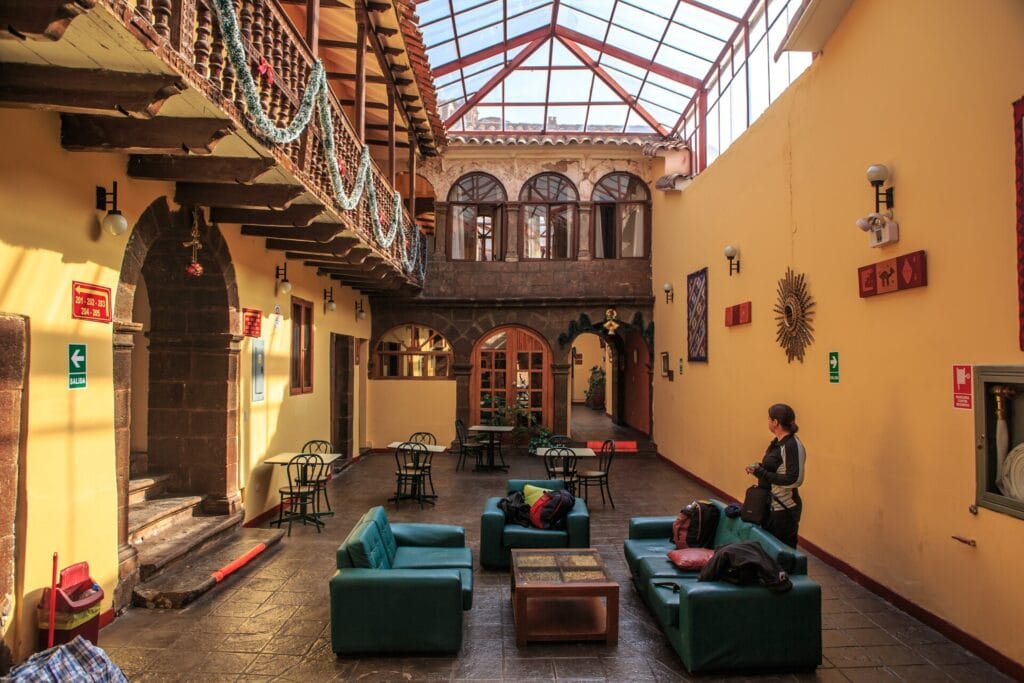
Peak: dry season, austral winter (June-August) · Off-season: wet season, austral summer (December-February)
Knowing the best time to visit Cusco can transform your trip — saving you hundreds on flights and hotels while putting you in better weather with fewer crowds. This guide breaks down each season, key events, and what to expect month by month so you can pick the right travel dates.
Best Months to Visit Cusco
Top pick: May or September. Both sit inside the Andean dry season (roughly May through September), so days are sunny and trails are dry, but you skip the June to August crush around Inti Raymi and northern summer holidays. Hotel and trek prices ease noticeably versus peak, and cold clear nights are the only real tradeoff.
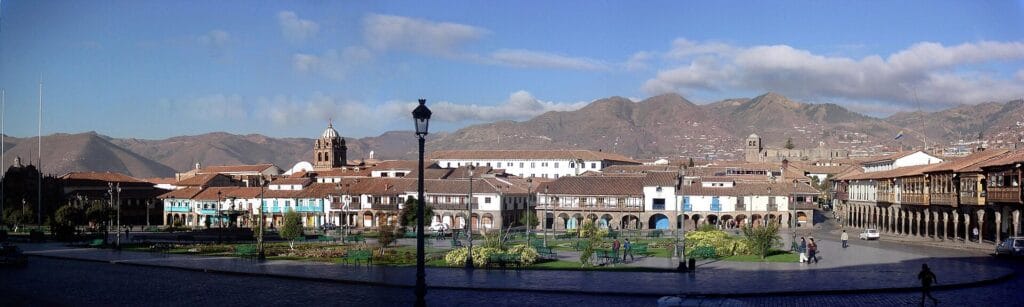
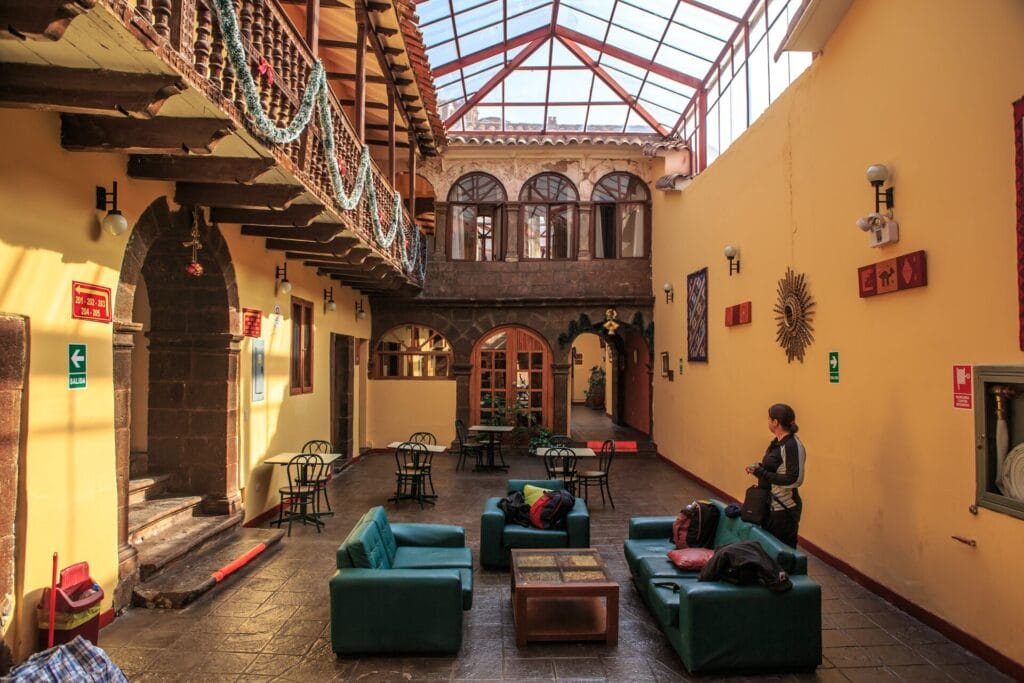
The real sweet spot is the dry-season edges rather than its core. Late April into May, and again September into early October, deliver clear skies and firm trekking trails with noticeably thinner queues at Machu Picchu and lower room rates than the June to August crush. Pack for the swing: a sunny afternoon near 21C (about 70F) flips to a night that can fall below 5C (around 41F), and June and July nights run close to freezing.
- Avoid February outright: it is the wettest stretch (afternoon downpours, landslide risk) and the Inca Trail closes February 1 to 28 for repairs, reopening March 1. Machu Picchu itself stays open by train year-round.
Frequently Asked Questions
Are there major festivals in Cusco?
Yes — Cusco hosts notable events including: Inti Raymi (Jun), Corpus Christi (May-Jun), Virgen del Carmen (Paucartambo) (Jul), Qoyllur Rit’i (May-Jun), Señor de los Temblores procession (Mar-Apr). Major festivals can spike hotel prices 50-200% — book 3-6 months ahead if attending.
What should I pack for Cusco?
Pack for the season you’re visiting and the climate zone. Summer in Cusco: lightweight breathable clothes, sunscreen, hat, comfortable walking shoes. Winter: layers, waterproof jacket, warm accessories. Check the 10-day forecast 1-2 weeks before departure and adjust.
Related Cusco Travel Guides
- Best Things to Do in Cusco
- Where to Stay in Cusco
- Best Food in Cusco
- How Much Does a Trip to Cusco Cost?
- Cusco Itinerary Guide
Torn between destinations? See our honest, first-hand comparisons: Cusco vs Rio DE Janeiro, Cusco vs Lima, Cusco vs LA Paz, Cusco vs Samarkand.
Cusco weather & climate by month
Best months to visit: June, July, August. Cusco’s warmest month is October (avg 19°C / 66°F), the coolest is July (low 5°C / 40°F). The wettest is January (223 mm) and the driest is June.
| Month | Avg high | Avg low | Rainfall | Rainy days |
|---|---|---|---|---|
| January | 16°C / 62°F | 8°C / 46°F | 223 mm | 28 |
| February | 16°C / 61°F | 8°C / 47°F | 187 mm | 27 |
| March | 16°C / 61°F | 8°C / 46°F | 154 mm | 26 |
| April | 17°C / 62°F | 7°C / 44°F | 72 mm | 17 |
| May | 17°C / 62°F | 6°C / 42°F | 36 mm | 9 |
| June | 17°C / 63°F | 5°C / 40°F | 5 mm | 1 |
| July | 18°C / 65°F | 5°C / 40°F | 9 mm | 3 |
| August | 19°C / 66°F | 5°C / 41°F | 18 mm | 6 |
| September | 19°C / 65°F | 6°C / 43°F | 34 mm | 11 |
| October | 19°C / 66°F | 7°C / 45°F | 71 mm | 19 |
| November | 19°C / 65°F | 8°C / 47°F | 135 mm | 24 |
| December | 17°C / 63°F | 8°C / 47°F | 196 mm | 28 |
Climate source: Open-Meteo ERA5 reanalysis (2019–2023). Compare destinations in the Best Time to Visit Index.
You Might Also Love



Written by
Drew Treasury is a contributing travel writer at Packzup, specialising in city culture, food markets, street art, and neighbourhood-level travel.
