Last updated August 16, 2026 · Editorial policy
Quick take: The short answer on Ecuador: The longer answer involves weather windows, festival timing, and the difference between ‘technically open’ and ‘actually enjoyable.’ Highland trekking (Quito, Cotopaxi, Banos) is best June-September with the driest weather. Galapagos has two distinct seasons: warm-wet (December-May) for green islands and snorkeling with warm water, and cool-dry (June-November) for windier seas but peak marine wildlife activity.
Ecuador packs four worlds into a country the size of Colorado: Andes mountains, Amazon rainforest, Pacific coast, and the Galapagos Islands. Each has its own season, and the wrong week can mean either constant rain in Quito or rough seas to the Galapagos. Here is the practical timing breakdown.
Best time to visit Ecuador: at a glance
Short answer: June to September for the dry highlands (Galápagos is year-round).
| Season | Months | What to expect |
|---|---|---|
| Peak | Jun–Aug, Dec–Jan | Dry highlands, holidays; busiest |
| Shoulder (best value) | Sep–Nov | Drier, fewer crowds |
| Low | Feb–May | Wetter highlands, lush; coast warmest |
Best months to visit Ecuador
Highland trekking (Quito, Cotopaxi, Banos) is best June-September with the driest weather. Galapagos has two distinct seasons: warm-wet (December-May) for green islands and snorkeling with warm water, and cool-dry (June-November) for windier seas but peak marine wildlife activity.
Month-by-month overview
When to avoid Ecuador
February-April brings heavy rains to the coast and Galapagos. December coincides with Ecuadorian holiday season — domestic prices and crowds spike in Galapagos.
Key events and festivals
- Inti Raymi (Festival of the Sun) (June 21-24): Indigenous solstice celebrations; Otavalo and Cotacachi are the most authentic venues.
- Mama Negra (November 8-15, Latacunga): One of Ecuador most extraordinary festivals; mestizo, Andean, and African traditions merge.
- Quito Fiestas (First week of December): City founding celebrations; bullfights, dance, food.
- Galapagos Diving (Year-round but peak June-November): Hammerhead concentrations at Darwin and Wolf islands; cooler water requires wetsuits.
A local insider tip
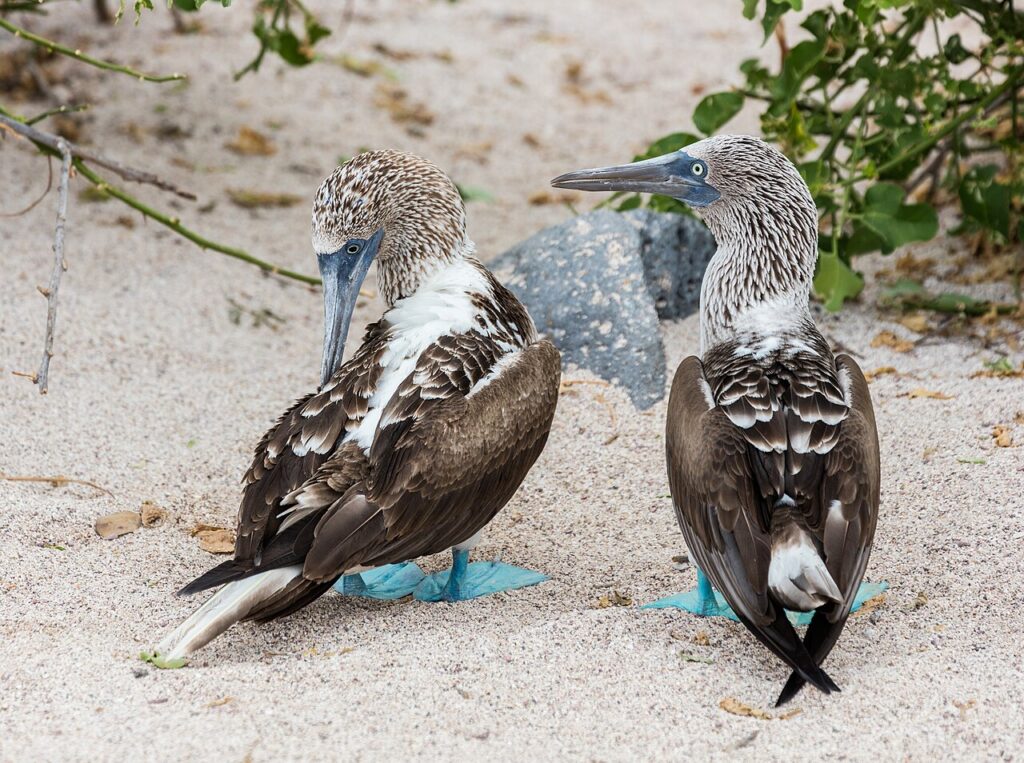
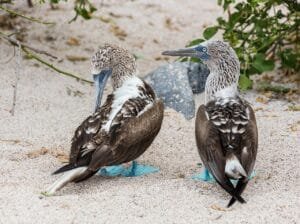
If you can only do one Galapagos cruise, target the second week of September. Sea conditions have stabilized after southern winter (less choppy), all the major species (giant tortoises, marine iguanas, blue-footed boobies) are active, water is still warm enough for snorkeling (~22°C), AND September is the cheapest non-shoulder month for cruises. Many boats offer 30%+ discounts to fill cabins.
When Peak Season Pays Off and When the Shoulder Months Beat It
Ecuador rewards strategy over default thinking. The peak window of June to September buys you the driest highland trekking and Inti Raymi (June 21 to 24, centred on Otavalo and northern Andean villages), but those same dates push lodge bookings and Galapagos cruise berths to their tightest and priciest. If your trip leans cultural or mountain-focused, that premium is worth paying. If it does not, the shoulder months quietly out-perform it.
The genuine sweet spot for most travellers is the seasonal crossover, specifically May and November in the Galapagos, when you collect calmer warm-season swimming alongside lingering cool-season wildlife. November is the standout: air and water both edge into the mid-70s F (around 24C), sea lion pups crowd the beaches, crowds thin, and cruise rates typically run about 15 to 20 percent under July prices. Late September and October sit in the same value band on the mainland and the islands.
The period to plan around is April, the back half of the warm-wet season that peaks in March. Expect the heaviest, longest downpours of the year, and note that any savings vanish during Easter week, when Galapagos demand and pricing spike sharply.
Frequently asked questions
When is the best time for the Galapagos Islands?
June-November for cooler dry weather and peak wildlife. January-May for greener islands, calmer seas, and warmer water (24-26°C) for snorkeling.
When is the cheapest time to visit Ecuador?
Mid-September through mid-November and late April have the cheapest flights and Galapagos cruises — often 30-40% off peak.
Is the rainy season really bad?
In the highlands (Quito), February-April brings daily afternoon rain — manageable. On the coast, March-April are the wettest. Galapagos rain is brief tropical bursts.
When should I visit Banos?
June-October for clearest waterfall trekking. November-May has more dramatic waterfalls (more water) but more cloud cover.
Can I see wildlife year-round in the Amazon?
Yes — Ecuadorian Amazon has consistent wildlife year-round. November-May (high water) gives canoe access deeper into igapo flooded forest.
Plan your Ecuador trip
Torn between destinations? See our honest comparisons: Peru vs Ecuador.
Plan the practical side: Ecuador Travel Cost.
Ecuador weather & climate by month
Best months to visit: August, July, September. Ecuador’s warmest month is September (avg 20°C / 67°F), the coolest is July (low 7°C / 45°F). The wettest is March (615 mm) and the driest is August.
| Month | Avg high | Avg low | Rainfall | Rainy days |
|---|---|---|---|---|
| January | 17°C / 63°F | 9°C / 47°F | 404 mm | 24 |
| February | 18°C / 64°F | 9°C / 48°F | 419 mm | 24 |
| March | 17°C / 62°F | 9°C / 48°F | 615 mm | 30 |
| April | 17°C / 63°F | 9°C / 47°F | 517 mm | 28 |
| May | 18°C / 64°F | 8°C / 47°F | 258 mm | 23 |
| June | 17°C / 63°F | 8°C / 46°F | 156 mm | 17 |
| July | 18°C / 64°F | 7°C / 45°F | 87 mm | 11 |
| August | 19°C / 66°F | 7°C / 45°F | 71 mm | 9 |
| September | 20°C / 67°F | 7°C / 45°F | 89 mm | 12 |
| October | 18°C / 65°F | 8°C / 47°F | 286 mm | 24 |
| November | 18°C / 64°F | 9°C / 47°F | 429 mm | 27 |
| December | 17°C / 63°F | 9°C / 48°F | 420 mm | 27 |
Climate source: Open-Meteo ERA5 reanalysis (2019–2023). Compare destinations in the Best Time to Visit Index.
You Might Also Love


Written by
John Morrison is the founder and lead travel writer at Packzup. Over the past decade he has explored destinations across Africa, the Americas, Asia, Europe, the Middle East, and Oceania — always self-funded, never on a press trip.