
Last updated August 29, 2026 · Editorial policy
- Best time to visit Croatia: at a glance
- Best Time to Visit Croatia: Month-by-Month Guide
- Best Months to Visit Croatia
- Croatia Travel Seasons at a Glance
- Weather in Croatia
- Festivals & Events in Croatia
- When to Visit by Travel Goal
- What to Avoid
- Booking Tips
- September Beats June for the Coast: The Sea-Temperature Trick Most Guides Miss
- Frequently Asked Questions
- Related Croatia Travel Guides
- Related Articles
- Croatia Month-by-Month Guides
Best time to visit Croatia: at a glance
Short answer: May–June and September — coast weather without the peak crowds.
| Season | Months | What to expect |
|---|---|---|
| Peak | Jul–Aug | Hot, packed beaches; priciest |
| Shoulder (best value) | Apr–Jun, Sep–Oct | Warm, ideal sightseeing, fewer crowds |
| Low | Nov–Mar | Mild, quiet, some rain |
Best Time to Visit Croatia: Month-by-Month Guide
Quick take: The short answer on Croatia: The longer answer involves weather windows, festival timing, and the difference between ‘technically open’ and ‘actually enjoyable.’
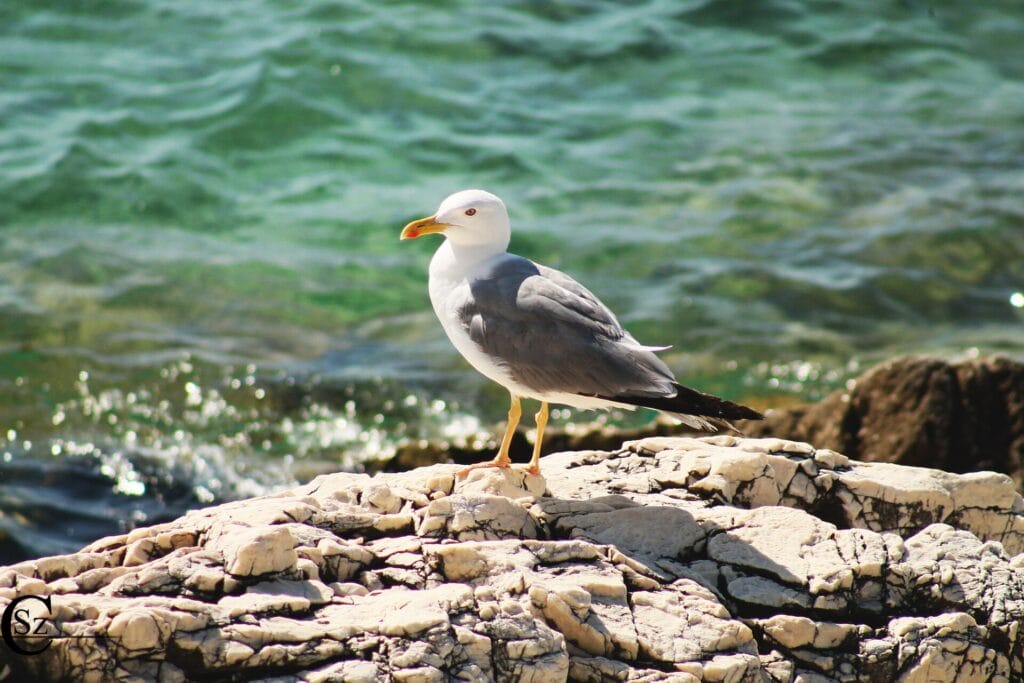
Peak: July-August · Off-season: November-March
Knowing the best time to visit Croatia can transform your trip — saving you hundreds on flights and hotels while putting you in better weather with fewer crowds. This guide breaks down each season, key events, and what to expect month by month so you can pick the right travel dates.
Best Months to Visit Croatia
Top pick: Late May through June is Croatia’s sweet spot. The Adriatic warms to roughly 22-24C by late June, coastal highs in June typically sit around 24-28C, and the Plitvice Lakes waterfalls still run high after spring snowmelt. Ferries to Hvar and Korcula shift onto summer schedules, yet Dubrovnik’s old town stays walkable before the Summer Festival opens in July. Rates and crowds typically climb in July and August.
Croatia Travel Seasons at a Glance
| Season | Months | What to Expect |
|---|---|---|
| Peak | July-August | Best weather (for that region), highest prices, biggest crowds. Book hotels 3-6 months ahead. |
| Shoulder | May-June and September | Sweet spot: good weather, moderate crowds, 15-30% lower prices than peak. |
| Off-season | November-March | Cheapest, quietest. Some sights may be closed. Best for budget travelers and shoulder-month flexibility. |
Weather in Croatia
Hot dry summers, mild winters. Typical peak season highs: 82-90°F summer.
Festivals & Events in Croatia
The Dubrovnik Summer Festival, typically mid-July through late August, is Croatia’s most booking-critical window: it overlaps peak season in a compact walled city with limited rooms, so Old Town accommodation can sell out months ahead. If those weeks are your target, lock in lodging by early spring.
- Pula Film Festival (Jul)
- Dubrovnik Summer Festival (Jul-Aug)
- INmusic Zagreb (Jun)
When to Visit by Travel Goal
- Best weather: Visit during May-June and September. Comfortable temperatures, low rainfall, manageable crowds.
- Lowest prices: November-March. Hotels and flights cut 30-50%. Trade weather for savings.
- Fewest crowds: October through April is genuinely quiet on the coast, with April and October keeping decent sightseeing weather. Even in busier months, Dubrovnik’s Old Town typically empties by late afternoon once cruise passengers return to their ships, so early mornings and evenings stay calm year-round.
- Festivals & culture: The Dubrovnik Summer Festival typically runs from around July 10 to late August, filling the Old Town with open-air theatre and music, while INmusic draws big crowds to Zagreb in late June. In winter, Zagreb’s Advent market runs late November into early January.
- Outdoor activities: Avoid peak rain/hurricane months. May-June and September is generally optimal.
- Budget travelers: November through March is Croatia’s genuine cheap window, when coastal hotels and flights drop to their lowest; the exception is Zagreb during Advent, from late November into early January. April and October are a good middle path, with near-shoulder weather at well below summer rates.
What to Avoid
- Peak crowds: July-August brings 2-3x the visitors. Major sites require ticket reservations weeks ahead.
- Major holidays: Assumption Day on August 15 (Velika Gospa) lands mid-peak and drives heavy domestic travel to the coast and pilgrimage sites. Easter week typically opens the coastal season, and around All Saints’ Day on November 1 Croatians travel within the country; book ahead if your dates overlap.
- Closures: From November to around Easter, many island hotels, konobas, and beach operators on Hvar, Korcula, and smaller Dalmatian islands shut down, and the bura wind thins ferry timetables. Dubrovnik, Split, and Zagreb stay open year-round; Plitvice Lakes stays open too, typically on shorter winter hours.
Booking Tips
- Croatia’s peak is July and August, when seasonal routes into Split and Dubrovnik fill fast; book those flights around 3-5 months out. For the May-June and September shoulder, 8-12 weeks ahead typically works, and winter fares to Zagreb can usually wait until 4-6 weeks before departure.
- Croatia’s shoulder windows are May-June and September-early October, and they trade differently: June brings greener landscapes but a cooler Adriatic, while late September offers warmer sea after a summer of heating, harvest season, and beaches that empty once Europe’s schools reopen. Early May and October run quieter still.
- German, Austrian, Slovenian, Czech, and Polish school breaks matter most here, since Central Europeans drive much of Croatia’s summer traffic; most run from around late June through August. Italy’s Ferragosto rush around August 15 adds another wave, so mid-August is typically the single most crowded stretch.
- Croatia has no hurricane or monsoon season, so insurance here is mostly about trip logistics: winter bura winds can cancel Adriatic ferries and strand island-hoppers, and occasional summer wildfires and heat waves have disrupted parts of the Dalmatian coast. Cover ferry-dependent itineraries and pricey July-August bookings.
September Beats June for the Coast: The Sea-Temperature Trick Most Guides Miss
Both shoulder windows are good, but they are not interchangeable. Late September edges out June for anyone who came to swim. The Adriatic lags the air by roughly a month, so it sits near 75F (about 24C) in September after a summer of warming, versus around 72F (about 22C) in June while it is still catching up. Air settles near 72F. June trades that warmer water for greener landscapes and the buzz of INmusic in Zagreb; September trades it for fig and grape harvests and emptier beaches once Europe’s schools reopen.
If Dubrovnik is on your list, the date matters less than the hour. The Old Town’s roughly 0.5 sq km fills from about 9am as cruise passengers come ashore and largely empties by about 4pm. The port now caps arrivals near 8,000 a day, but on the heaviest July and August dates it still strains. Walk the walls before 9am or after 5pm in any season.
The period to skip is November. It is the wettest month on the coast, with Dubrovnik averaging around 165mm of rain, and the cold bura wind starts thinning ferry timetables and shuttering island restaurants. The off-season payoff sits inland instead: Zagreb’s Advent, a three-time European Best Christmas Market winner, runs from late November into early January.
Frequently Asked Questions
What is the best month to visit Croatia?
The single best time to visit Croatia depends on your priorities. For ideal weather plus reasonable crowds, target May-June and September. Peak season is July-August (busiest, highest prices). Off-season is November-March (cheapest, least crowded — but check what’s open).
What’s the cheapest time to visit Croatia?
The cheapest time to visit Croatia is during the off-season: November-March. Flights and hotels drop 30-50%. Trade-offs: some sights/restaurants may close, weather may be less favorable, fewer events.
When should I avoid Croatia?
Avoid Croatia during peak season (July-August) if you want fewer crowds and lower prices. Also consider local school holidays (when domestic travel surges) and weather extremes (82-90°F summer during peak heat).
What is the weather like in Croatia?
Hot dry summers, mild winters. Summer highs and winter lows vary by altitude, coast vs. inland, and exact location within Croatia. Always check the specific city forecast a week before departure.
Are there major festivals in Croatia?
Yes — Croatia hosts notable events including: Pula Film Festival (Jul), Dubrovnik Summer Festival (Jul-Aug), INmusic Zagreb (Jun). Major festivals can spike hotel prices 50-200% — book 3-6 months ahead if attending.
What should I pack for Croatia?
Pack for the season you’re visiting and the climate zone. Summer in Croatia: lightweight breathable clothes, sunscreen, hat, comfortable walking shoes. Winter: layers, waterproof jacket, warm accessories. Check the 10-day forecast 1-2 weeks before departure and adjust.
Related Croatia Travel Guides
- 15 Best Things to Do in Croatia (2026 Local Guide)
- Croatia Travel Guide: Complete Planning + Itinerary (2026)
Related Articles
- Best Time to Visit Croatia from USA (Month-by-Month)
- 7-Day Croatia Itinerary for Americans (Dubrovnik + Split + Hvar)
- Croatia Visa Requirements: The Complete Guide
- How Much Does a Trip to Croatia Cost?
Croatia Month-by-Month Guides
Croatia in May · Croatia in June · Croatia in September · Croatia in October
⚡ Key Takeaways
- Best months: May, June, September
- Avoid: Peak tourist season for lower prices and fewer crowds
- Budget tip: Shoulder months offer the best value — good weather at 30-50% lower costs
- Book ahead: Flights and hotels are cheapest 6-8 weeks before travel
Want the full month-by-month breakdown? See our Croatia weather by month (temperatures, rainfall & crowds).
Adriatic dilemma? Read our head-to-head: Albania vs Croatia — prices, beaches, crowds and which coast wins for you.
Torn between two coasts? Read our head-to-head: Croatia vs Portugal — beaches, prices, food and which suits your trip.
Still deciding? Read our full comparison: Greece vs Croatia.
Torn between destinations? See our honest comparisons: Slovenia vs Croatia, Croatia vs Montenegro, Croatia vs Greece, Croatia vs Portugal, Croatia vs Spain, Croatia vs Italy, Croatia vs Greece, Albania vs Croatia.
Plan the practical side: Cost of 1 Week in Croatia Americans.
Climate data source: monthly temperature and rainfall figures on this page come from Open-Meteo’s Historical Weather API, which serves the ECMWF ERA5 reanalysis (Copernicus Climate Change Service). Five-year averages, 2019–2023. See our data methodology.
Croatia weather & climate by month
Best months to visit: May, June, September, October. Croatia’s warmest month is July (avg 31°C / 89°F), the coolest is January (low 4°C / 39°F). The wettest is September (104 mm) and the driest is February.
| Month | Avg high | Avg low | Rainfall | Rainy days |
|---|---|---|---|---|
| January | 11°C / 51°F | 4°C / 39°F | 46 mm | 7 |
| February | 13°C / 55°F | 5°C / 40°F | 45 mm | 6 |
| March | 15°C / 58°F | 6°C / 43°F | 48 mm | 7 |
| April | 17°C / 63°F | 9°C / 49°F | 61 mm | 8 |
| May | 22°C / 71°F | 14°C / 58°F | 77 mm | 9 |
| June | 28°C / 82°F | 19°C / 67°F | 91 mm | 10 |
| July | 31°C / 89°F | 22°C / 72°F | 80 mm | 8 |
| August | 31°C / 88°F | 22°C / 72°F | 86 mm | 7 |
| September | 27°C / 80°F | 18°C / 65°F | 104 mm | 9 |
| October | 22°C / 71°F | 14°C / 57°F | 89 mm | 8 |
| November | 17°C / 62°F | 11°C / 51°F | 87 mm | 9 |
| December | 13°C / 56°F | 7°C / 45°F | 62 mm | 8 |
Climate source: Open-Meteo / WMO climate normals (WMO 1991–2020, or ERA5 2019–2023 where unavailable). Compare destinations in the Best Time to Visit Index.
You Might Also Love

Written by
John Morrison is the founder and lead travel writer at Packzup. Over the past decade he has explored destinations across Africa, the Americas, Asia, Europe, the Middle East, and Oceania — always self-funded, never on a press trip.
