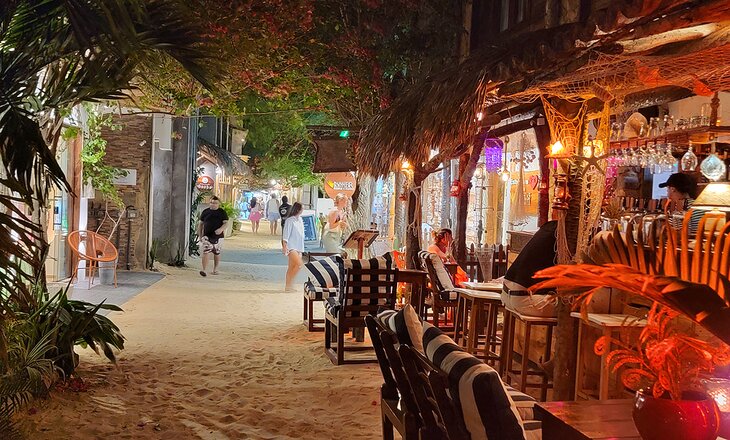
Last updated July 30, 2026 · Editorial policy
Brazil requires heightened awareness. While millions visit safely each year, crime rates are higher than average and certain areas carry real risk. This guide covers the real safety situation in Brazil — no sensationalism, just practical advice based on current conditions and traveler reports.
The Short Answer: Yes, Brazil is generally moderately safe for tourists (7/10). Standard travel precautions apply — watch for petty theft in tourist areas, use licensed transport, and keep valuables secured. Most visitors experience no safety issues.
More: When to visit Brazil · Brazil travel guide
Bottom Line on Safety
Yes, but with careful planning. Millions visit Brazil safely, but you need to be more vigilant than in lower-risk destinations.
Real Risks vs. Headlines in Brazil
The most common issues travelers face: Street crime in cities, favela-related violence, express kidnapping, beach theft, phone snatching.
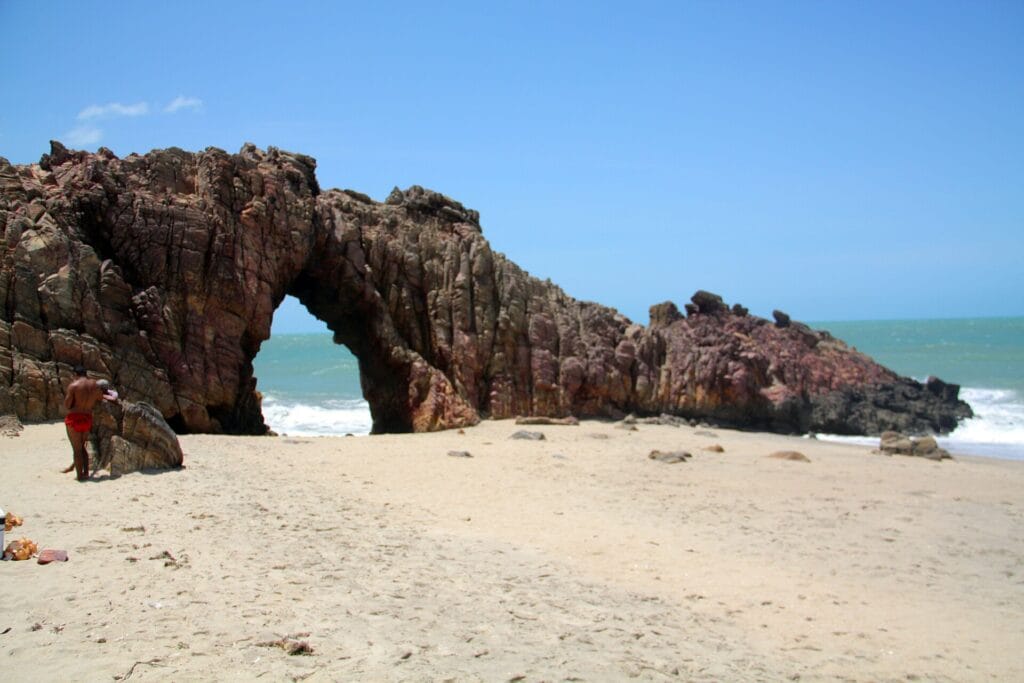
Important context: most of these risks are avoidable with preparation. Violent crime against tourists is a real but manageable concern.
Rules That Actually Matter
Don’t carry expensive phones visibly. Use Uber/99 for all transport. Keep only a small amount of cash. Avoid beaches after dark. Don’t resist if robbed. Stay in well-known neighborhoods. Join guided favela tours only with reputable companies.
Red-Zone Areas
Favelas without guides, remote areas of northern cities, deserted beaches at night, certain neighborhoods in Rio/SP after dark

Is Brazil Safe for Solo Female Travelers?
Solo female travelers should take extra precautions: stay in well-reviewed accommodations, avoid walking alone after dark, dress modestly in conservative areas, and consider joining group tours for remote destinations.
When Things Go Wrong
Emergency number: 190. Register with your country’s embassy before arrival. Keep digital and physical copies of your passport, insurance, and emergency contacts.

The Risks That Actually Catch Travelers Off Guard
Brazil’s reputation is grimmer than the day-to-day reality in tourist zones. The U.S. State Department keeps Brazil at Level 2, ‘Exercise Increased Caution,’ the same tier as France or Italy, and Rio’s South Zone proves the point: Ipanema and Leblon recorded zero homicides in the first quarter of 2026, with violent crime concentrated instead in the Baixada Fluminense and North Zone where tourists rarely go. The headline risk for visitors is not a stray bullet; it is the drink-spiking robbery locals call ‘Boa Noite Cinderela.’ Criminals, sometimes met through dating apps, slip sedatives into a drink and then drain phones and bank accounts. Lapa’s nightlife district has seen British, French, and Argentinian victims, and a 2024 case left an American tourist dead.
A few rules that genuinely change your odds:
- Skip favela tours entirely; complexes like Cidade de Deus and Complexo do Alemao are off-limits even with a guide.
- Watch your own drink in Lapa and on dates, and meet new contacts in public first.
- The 100-mile border zone is restricted, but Iguazu Falls and the Pantanal are exempt and fine to visit.
Bottom line: ordinary street smarts cover most of Brazil, but treat unfamiliar nightlife and dating-app meetups as the real hazard.
FAQ
Is Brazil safe for tourists in 2026?
Yes, but with careful planning. Millions visit Brazil safely, but you need to be more vigilant than in lower-risk destinations.
What are the main safety concerns in Brazil?
Street crime in cities, favela-related violence, express kidnapping, beach theft, phone snatching.
What areas should tourists avoid in Brazil?
Favelas without guides, remote areas of northern cities, deserted beaches at night, certain neighborhoods in Rio/SP after dark
Planning the trip? Start with best time to visit Brazil.
You Might Also Love




Written by
John Morrison is the founder and lead travel writer at Packzup. Over the past decade he has explored destinations across Africa, the Americas, Asia, Europe, the Middle East, and Oceania — always self-funded, never on a press trip.
Good to know: staying healthy abroad starts with the water — see where the tap water is safe to drink, and dodge the classics with travel scams by country.
Checking other destinations? Is Cambodia safe? · Is Cartagena safe? · Is Colombia safe? · Is Costa Rica safe?