
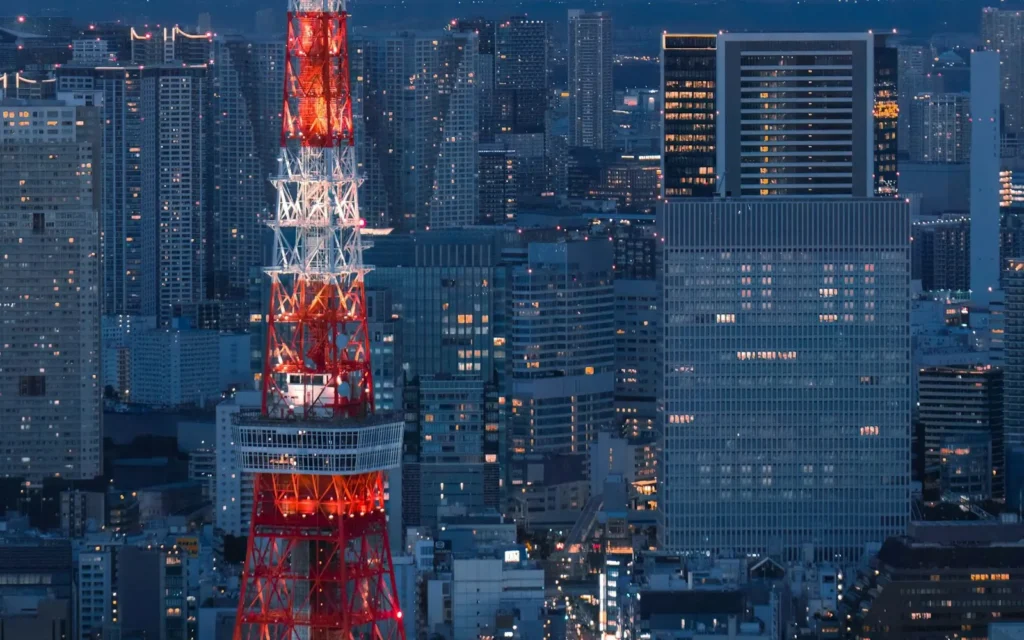
January is Japan at its clearest and its cheapest – once the first week is out of the way. Tokyo runs around 10°C by day with only about 60 mm of rain, the skies are the bluest of the year, Mount Fuji is visible from the city on most mornings, and the powder in Hokkaido and Nagano is the reason skiers call the month “Japanuary”. The catch is shogatsu: for the first three days of the year, a great deal of the country simply closes.
New Year: the three days that shut Japan
1 January 2027 is a Friday, and New Year is the most important holiday in the Japanese calendar – closer in feeling to Christmas in Europe than to a party. Roughly from 29 December to 3 January:
- Most restaurants, small shops, museums and many attractions close. This includes a lot of places that never close otherwise.
- Department stores reopen around 2 January with fukubukuro – sealed lucky bags sold at a fraction of the contents’ value – and the queues for them start before dawn.
- Convenience stores, major chains and train services keep running, so you will not go hungry or be stranded, but a carefully planned restaurant itinerary will fall apart.
- Shrines and temples are the exception and the point. Hatsumode, the first shrine visit of the year, draws enormous crowds – Tokyo’s Meiji Jingu alone takes around three million visitors across the first three days.
From about 4 January the country restarts, and the rest of January is one of the best-value windows Japan offers.
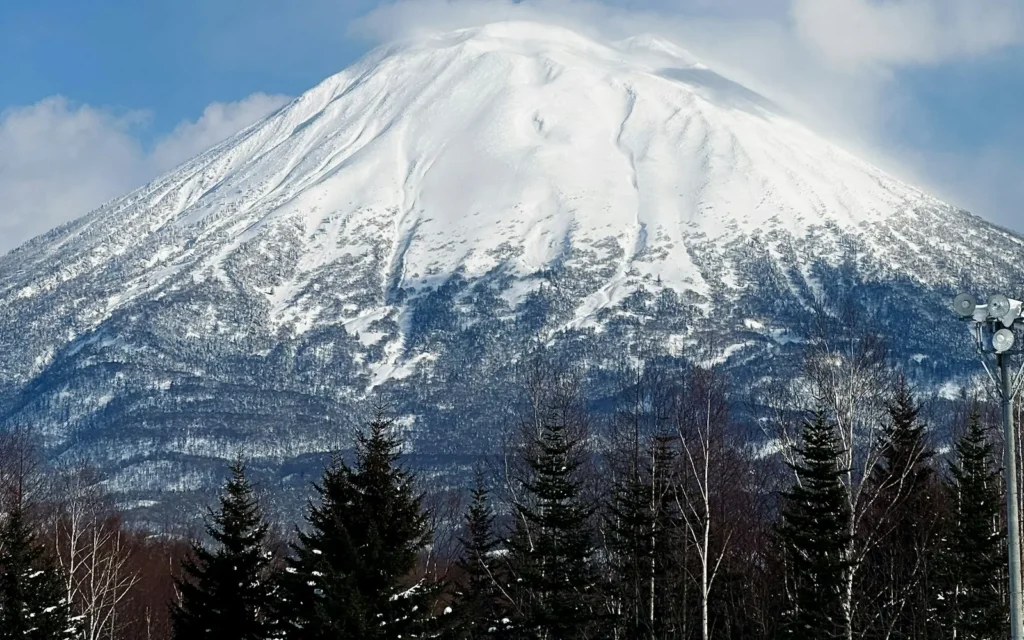
Weather: cold, dry and unusually clear
- Tokyo – about 10°C by day and 2°C at night, with roughly 60 mm of rain over five days. The driest and sunniest month of the Tokyo year, and the most reliable for Fuji views.
- Kyoto and Osaka – a degree or two colder than Tokyo, around 8°C by day and close to freezing at night, with occasional light snow that transforms the temples for a few hours.
- The Japan Sea coast – Kanazawa, Takayama, Niigata – the other Japan: heavy, persistent snow and grey skies while Tokyo is blue.
- Hokkaido – deep cold and the best snow in the country. Sapporo sits well below freezing for most of the month.
- Okinawa – mild rather than hot, around 19°C. Not beach weather, but comfortable walking weather.
The geography is the thing to understand: the mountains split the country, and in January the Pacific side is dry and bright while the Japan Sea side is under one of the heaviest snowfalls on earth.
Skiing, and why January is the month
Japanese powder is a genuine phenomenon – cold Siberian air crossing the Sea of Japan and dumping extremely dry snow on Hokkaido and the Japan Alps. January is its peak. Niseko and Furano in Hokkaido, and Hakuba, Nozawa Onsen and Shiga Kogen in Nagano, all run at full depth.
Two practical notes: Niseko is heavily international and prices accordingly, while Nagano resorts are cheaper and more Japanese in character; and both pair naturally with an onsen, which is exactly what a January evening in Japan is for.
Coming of Age Day, and the rest of the calendar
Monday 11 January 2027 is Seijin no Hi, Coming of Age Day, when twenty-year-olds attend ceremonies in formal kimono and hakama. It creates a three-day weekend and fills shrines with some of the best photography of the Japanese year – but be respectful; these are private family occasions, not a display.
Winter illuminations also continue through January in Tokyo, Osaka and Nagoya, and the sumo Hatsu Basho – the first grand tournament of the year – runs for fifteen days in Tokyo from mid-January.
Prices and crowds
Two different months. The first week is one of the most expensive and most booked periods of the Japanese year, because the whole country is travelling. From about 8 January, foreign visitor numbers fall to their annual low, city hotels discount sharply and flights are among the cheapest available. Ski resorts are the exception and run at peak rates all month.
See the best time to visit Japan for the full twelve-month comparison.
What to pack
A proper winter coat, layers, and shoes you can take off easily – you will be removing them at temples, restaurants and ryokan constantly. Japanese buildings are often less centrally heated than European ones, and the kotatsu exists for a reason. Add thermals if Hokkaido or the Japan Alps are on the itinerary. See the Japan packing list.
The January 2027 calendar
- Friday 1 January – Ganjitsu, New Year’s Day, a public holiday; hatsumode at shrines nationwide.
- 1–3 January – most restaurants, shops and museums closed; trains and convenience stores running.
- About 2 January – department stores reopen and fukubukuro lucky bags go on sale.
- From 4 January – the country returns to normal.
- From about 8 January – the cheapest and quietest stretch of the year for foreign visitors.
- Monday 11 January – Seijin no Hi, Coming of Age Day; a three-day weekend.
- Mid January – the Hatsu Basho sumo tournament begins its fifteen days in Tokyo.
- All month – peak powder season in Hokkaido and Nagano.
Read alongside
- Japan in February – the Sapporo Snow Festival and the last of the winter.
- Japan in March – the plum blossom and the start of sakura season.
- Best time to visit Japan – all twelve months compared.
- Tokyo in January – the city-level version of this month.
- Japan travel guide – regions, rail and how to combine them.
- Japan packing list – the winter version.
- Things to know before visiting Japan – the practical rules.
Frequently asked
Is January a good time to visit Japan?
After the first week, yes – it is the clearest, driest and cheapest month, with the fewest foreign visitors and the best snow of the year. The first three days of the month are the exception, when much of the country closes for New Year.
What is closed in Japan at New Year?
Most restaurants, small shops, museums and many attractions, roughly from 29 December to 3 January. Trains, convenience stores and major chains keep running, and department stores reopen around 2 January with fukubukuro lucky bags.
How cold is Japan in January?
Tokyo averages about 10°C by day and 2°C at night with only 60 mm of rain – its driest, sunniest month. Kyoto is a little colder, the Japan Sea coast is under heavy snow, and Hokkaido stays well below freezing.
Can you see Mount Fuji in January?
It is the best month for it. The dry, clear winter air on the Pacific side means Fuji is visible from Tokyo on a large share of mornings, which is rarely true in summer.
Is January good for skiing in Japan?
It is the peak. Cold air crossing the Sea of Japan delivers exceptionally dry powder to Hokkaido and the Japan Alps, and Niseko, Furano, Hakuba and Nozawa Onsen are all at full depth.
When is Coming of Age Day in 2027?
Monday 11 January 2027, the second Monday of the month. It creates a three-day weekend and fills shrines with twenty-year-olds in formal kimono and hakama.
Is Japan cheap in January?
From about the 8th, yes – it is one of the cheapest months of the year for flights and city hotels, because foreign visitor numbers are at their annual low. The New Year week and the ski resorts are the two exceptions.
Does it snow in Tokyo in January?
Rarely, and never for long. Tokyo sits on the dry Pacific side of the mountains; the heavy snow falls on the Japan Sea coast and in the mountains, sometimes only a couple of hours away by train.
You Might Also Love


Written by
John Morrison is the founder and lead travel writer at Packzup. Over the past decade he has explored destinations across Africa, the Americas, Asia, Europe, the Middle East, and Oceania — always self-funded, never on a press trip.
