Asia picks
The best places to visit in Asia
Our picks for the best Asia destinations - the 11 cities and regions worth booking this year, with climate windows, cost notes, and the specific reason is the year to go.
Asia spans the cherry-blossom valleys of Japan, the post-pandemic re-emergence of Southeast Asia, and the cultural depth of the Indian subcontinent. Visa rules have loosened across the region - Vietnam's 90-day visa-free, Japan's new JESTA, Thailand's TDAC.
Tokyo
March-April for sakura, mid-November for autumn foliage. New JESTA visa-free system now active; yen still favorable for travelers.
Kyoto
Pair with Tokyo. Cherry blossom in early April; quiet temples in winter. The most concentrated cultural week in Asia.
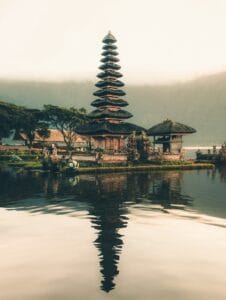
Bali
Dry season May-October. New tourist tax (150,000 IDR) added but trip costs remain among Asia's best value.
Bangkok
November-February for the cool dry season. Visa-free entries extended; new airport rail link cuts city transfer to 26 minutes.
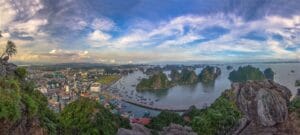
Vietnam
October-April for north + south together. New 90-day visa-free for many nationalities makes longer trips easier.
Sri Lanka
December-March for the southwest coast and cultural triangle. Post-economic recovery makes this exceptional value.
India
October-March in most regions. Multi-week trips compound the rewards; pick one region to start.
Best places to visit in Asia at a glance
| Destination | Country/Region | Best for | Best time to go | Budget |
|---|---|---|---|---|
| Tokyo | Japan (East Asia) | Food, neighborhoods and city energy | Spring for cherry blossom, autumn for foliage | $$$ |
| Kyoto | Japan (East Asia) | Temples, gardens and traditional culture | Spring blossom or quiet winter | $$$ |
| Bali | Indonesia (Southeast Asia) | Beaches, rice terraces and value | The dry season, roughly May to October | $ |
| Bangkok | Thailand (Southeast Asia) | Street food, markets and nightlife | The cool dry season, roughly November to February | $ |
| Vietnam | Vietnam (Southeast Asia) | Long north-to-south overland trips | Roughly October to April for north and south together | $ |
| Sri Lanka | Sri Lanka (South Asia) | Southwest beaches and the cultural triangle | Roughly December to March on the southwest coast | $ |
| India | India (South Asia) | Deep, region-by-region cultural travel | Roughly October to March across most regions | $ |
| Hokkaido | Japan (East Asia) | Snow in winter, cool escapes in summer | Winter for snow, summer for hiking and cool weather | $$$ |
| Seoul | South Korea (East Asia) | Modern city life, food and shopping | Spring and autumn for mild, dry weather | $$ |
| Chiang Mai | Thailand (Southeast Asia) | Temples, mountains and a slower pace | The cool dry season, roughly November to February | $ |
| Hoi An | Vietnam (Southeast Asia) | Old-town charm, tailors and lanterns | The drier central-coast months, roughly February to May | $ |
How to plan your Asia trip
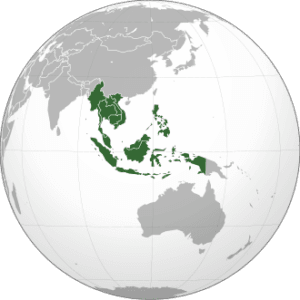
Asia is too big to treat as one destination, so the first planning decision is which slice of it you are actually visiting. It helps to think in regions. East Asia covers Japan and South Korea, where you get temperate four-season weather, fast trains and polished infrastructure. Southeast Asia runs from Thailand and Vietnam down through Indonesia, and it is where most first-time trips and longer backpacking routes happen. South Asia, anchored by India and Sri Lanka, rewards travelers who want cultural depth and are comfortable with a busier, more intense pace. Central Asia, the old Silk Road countries, is the least-visited and best suited to travelers who want mountains, history and far fewer crowds. Picking one or two neighboring regions per trip keeps flights, visas and jet lag manageable.
Timing is driven less by the calendar month and more by the monsoon. Much of tropical Asia has a wet season and a dry season rather than a hot-and-cold cycle, and for beaches and island travel the dry season is generally the better window. The catch is that the seasons do not line up across the region: the wet months in one country can overlap with the good months in another, and even within a single country the two coasts can be on opposite schedules. East Asia is the exception, following a more familiar four-season pattern where spring and autumn tend to be the most comfortable. As a rule of thumb, check the season for the specific place you are headed rather than assuming all of Asia shares one climate.
Budget also varies more by region than by how you travel. Southeast Asia and South Asia are generally the best value on the continent, where daily costs for food, transport and simple accommodation stay low. East Asia sits at the higher end, with Japan and South Korea costing noticeably more day to day, though careful travelers can still keep things reasonable. For logistics, cheap regional carriers make it easy to hop between countries, but overland travel by train and bus is often where the trip actually happens, especially in Vietnam and India. A sensible route strings together nearby places into a loop rather than crisscrossing the map, and it is worth leaving slack in the schedule for the slow travel days that tend to become the trip's best memories.
Practical tips for traveling in Asia
- Sort visas before you fly. Rules differ by country and by nationality, and many places now offer visa-free entry or an online e-visa. Confirm the current requirement for your passport well ahead of time rather than assuming you can sort it on arrival.
- Plan around the monsoon, not just the month. Look up the wet and dry seasons for each specific destination, since neighboring countries and even opposite coasts can be on completely different schedules.
- Carry some cash. Cards and mobile payments are widely accepted in big cities, but markets, small eateries, rural areas and local transport often still run on cash, so keep small notes on hand.
- Lean on trains and buses. Overland transport is usually affordable, scenic and a genuine part of the experience; book popular long-distance routes ahead in busy seasons.
- Respect local customs at religious sites. Temples, mosques and shrines across the region expect modest dress and often removed shoes, so pack something that covers shoulders and knees.
- Be careful with food and water. Street food is one of Asia's great pleasures; favor busy stalls with high turnover, and in many areas stick to bottled or filtered water.
- Get travel insurance and keep copies. Cover medical care and trip disruption, and store digital and paper copies of your passport, visas and bookings separately from the originals.
How far does your money go? Read our Global Travel Affordability Report 2026 — 200 countries ranked by cost, with the cheapest regions and countries to travel.